The sound of the griddle
Scallion pancake, known locally as cong you bing, is made from flour, water, scallions, salt, and oil.
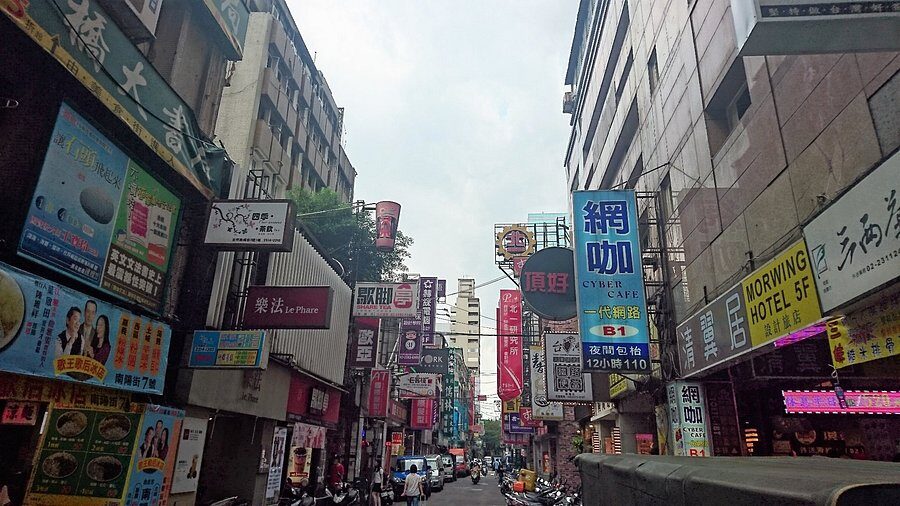
On street corners in Taiwan, a steady sound carries across the pavement.
A metal spatula strikes the dough.
Pan, pan.
At the same time, the smell of lard and scorched scallions drifts into the narrow lanes.
The ingredients are few.
Yet from one stall to the next, texture and aroma shift in small but clear ways.
This thin round of dough often feels like a surface meant to receive other things.
A kind of canvas made from wheat.
Wheat moving south
This dish is usually traced to the wheat-based food cultures of northern China.
In places like Shandong, the climate favored grain over rice.
Flatbreads and noodles became everyday food.
After 1949, many who moved to Taiwan with the Nationalist army carried these habits with them.
What arrived may have been a reminder of places left behind.
Here, scallions were abundant.
The hot and humid air favored oil-heavy cooking.
The result changed.
A small legend sometimes appears.
That Marco Polo once tried to carry this bread back to Europe, and that pizza was born from the failure.
It is not history.
But it leaves a faint sense that bread moves across cultures, even when names do not.
Layers inside
This bread is not made by simply mixing flour and scallions.
The dough is stretched.
Oil is spread.
It is rolled, coiled, and flattened again.
From this, thin layers form inside, not unlike a croissant.
When it hits the hot plate, the spatula presses it down.
Air is pushed between the folds.
The outside turns crisp.
The inside stays elastic.
A morning food
In Taiwan, this flatbread often appears in the morning.
The common version includes an egg cooked into the surface.
A bowl of soy milk usually stands beside it.
Carbohydrate.
Protein.
Fat.
It fits the logic of a working morning.
In this way, it differs from danbing, which is made from a liquid batter and carries a softer role.
An afternoon face
Later in the day, this bread becomes something else.
Students on their way home.
Office workers between tasks.
Here, another form often appears.
A thinner, oilier version called cong zhua bing.
It uses the same flour and scallions.
But it leans toward crispness.
More snack than meal.
In Hualien and Yilan, there is a further step.
The fried-egg version, cooked in deep oil.
The yolk breaks.
Sauce and fat run across the surface.
It is closer to pleasure than to function.
A thing meant to be eaten while walking through a night market.
Scallions as the center
One reason this bread holds attention lies in the scallions.
In Yilan, the Sanxing variety grows in clean water and soft soil.
It is known for sweetness and low bitterness.
Here, scallions are not garnish.
They are the main body.
Folded in large amounts, they turn this bread into something more than flour.
What remains
Flour.
Scallions.
Oil.
Because these are ordinary things, the hand of the maker and the land beneath them show through.
A piece eaten with soy milk in the morning.
Another torn apart at dusk.
Each carries a different moment of Taiwan.
This flatbread stays in the street, quiet and unchanged, as those moments pass.