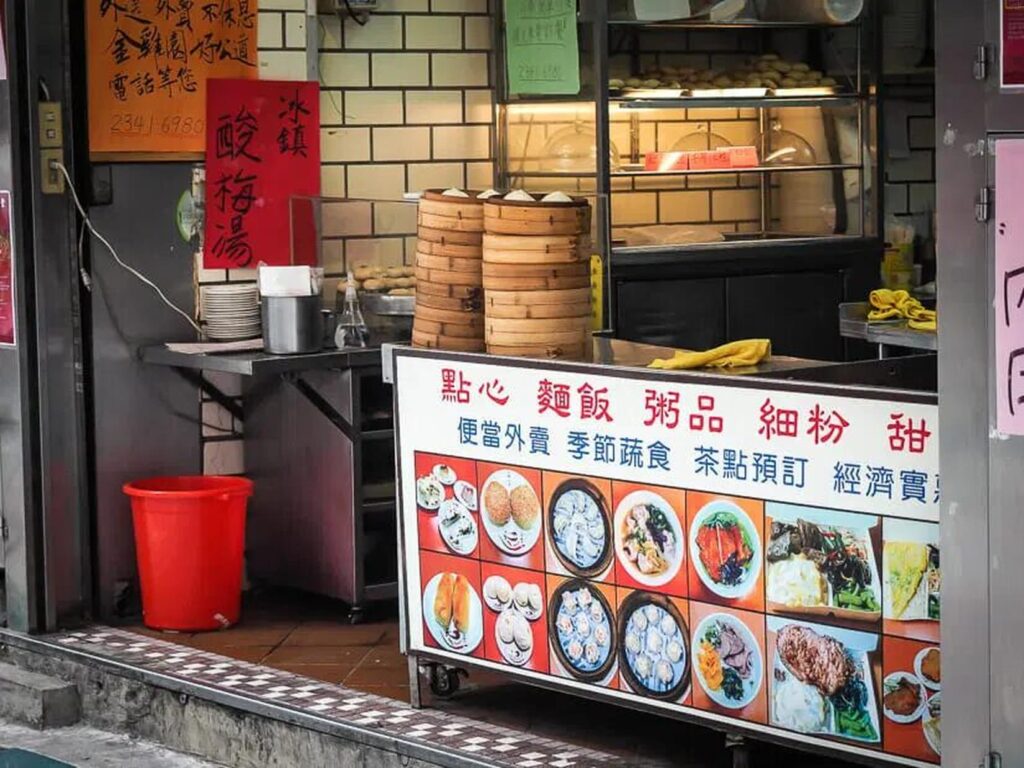
At a Taiwanese lunch table, boiled dumplings can sit beside braised-pork rice, while beef noodles arrive from the next stall. The combinations feel ordinary now, even though one half of that meal belongs to a crop the island was never well suited to grow.
Boiled dumplings (shui jiao) appear first in this text as a daily presence, alongside bowls of braised pork rice (lu rou fan) steaming on the right and the smell of beef noodles drifting from the left. People chew dumplings while others shovel white rice from lunchboxes beside them. Both scenes belong to everyday life. Neither feels exceptional. In Taiwan’s streets, rice and wheat exist side by side. Morning begins with flatbreads, noon with boxed rice meals, night with noodles, and sometimes noodles and rice sit on the same table. It resembles switching between two native languages. Different carbohydrates are chosen without thought.
Yet the scene is also unnatural in its origins. This island is hot and humid, suited to rice but hostile to wheat. A food culture rooted in wet soil now carries the dry staples of the continent. The table does not look blended but layered. Rice formed the base. Wheat arrived later and settled on top.
The Island of Rice Before 1949
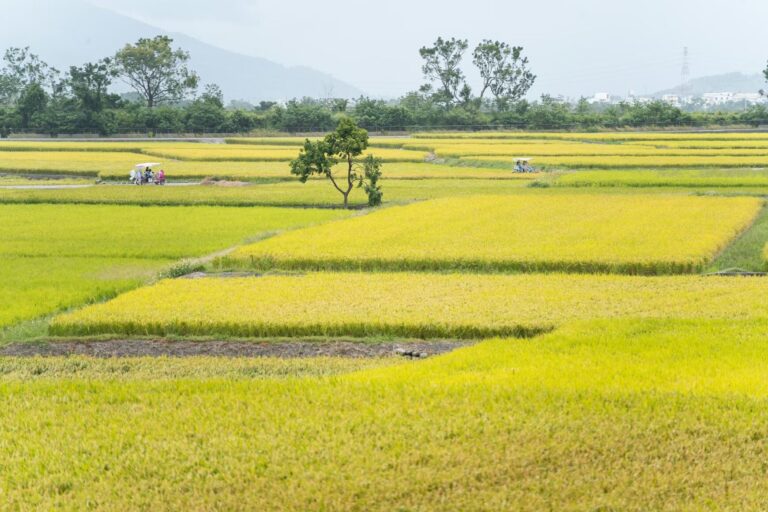
Before 1949, Taiwan was almost entirely a rice island. The main crops were ponlai rice and native rice varieties, with sweet potatoes occupying an important role where soil was poor. Mornings began with congee, lunches with rice vermicelli, nights with bowls of white rice. Carbohydrates revolved consistently around rice. Wheat noodles and steamed buns existed, but closer to festival foods and special-occasion snacks. They were not daily staples.
Climate reinforced this structure. Humidity made wheat hard to store and unstable to grow. There was little reason to cultivate it in large amounts. Taiwan’s food culture was built on the rhythm of mud and water. Onto that foundation, a completely different layer would soon arrive.

The Stomachs That Crossed from the North
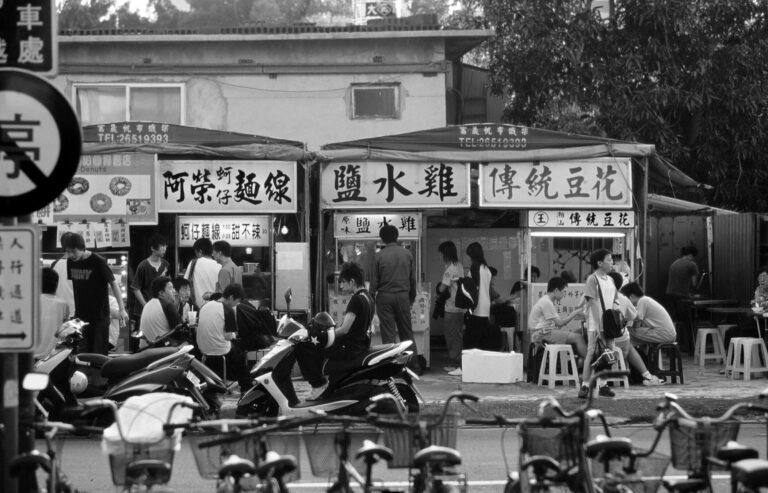
In 1949, following defeat in the Chinese Civil War, about two million people crossed the Taiwan Strait. Many came from north of the Yangtze River, from the Yellow River basin and the North China Plain. Their staple was not rice but wheat. They had grown up slurping noodles, eating dumplings, biting into steamed buns. Their bodies were shaped by flour.
They moved not only with land and belongings but with their stomachs. Yet Taiwan at the time had little wheat. Markets were dominated by rice and sweet potatoes. Ingredients for the foods of home were missing. They ate rice out of necessity. Hunger disappeared, but satisfaction did not. A quiet gap formed between memory and reality, and it slowly accumulated.
When Flour Began to Fall
The shortage was filled not by Taiwanese agriculture but by American aid. During the 1950s and 1960s, the United States distributed surplus agricultural products to allied nations under Public Law 480, known as PL480. Massive quantities of wheat and soybeans flowed into Taiwan. Prices were so low they barely mattered.
For the government, feeding the population became cheaper with imported wheat than with locally grown rice. At the same time, rice was repositioned as an export commodity for foreign currency. Taiwan sold rice and ate wheat. To encourage this shift, campaigns known as the Flour-Based Diet Movement promoted saving rice and consuming wheat products.
Flour spread across the island. Northerners welcomed it. Southerners began kneading dough as part of daily life. A thick wheat layer settled onto the Taiwanese table.
Staple Foods Rearranged in Taiwan
The wheat dishes born in this era were not simple reproductions of mainland cooking. They adapted to Taiwan’s environment and economy, becoming new forms.
Beef Noodles Formed in the Alleys
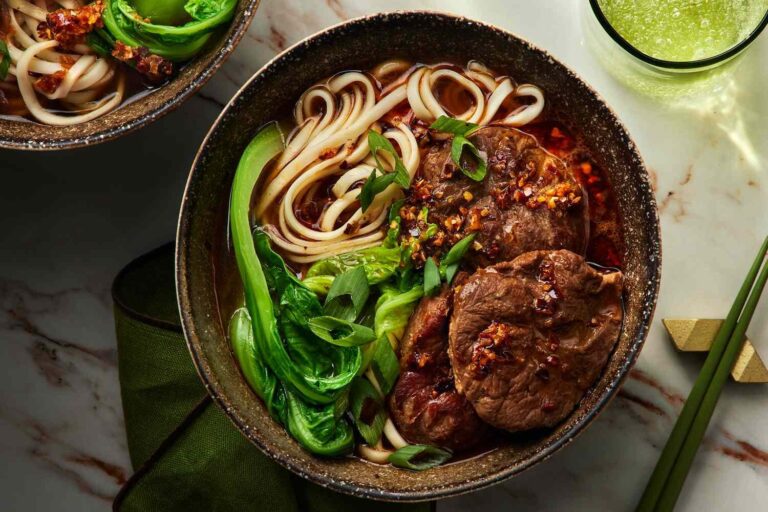
Beef noodles carried traces of Sichuan heat, layered onto northern-style wheat noodles. Added to this were canned beef products that circulated through U.S. military aid. Spice, noodles, meat, each from different origins, were assembled into one bowl in Taiwanese streets. The dish was closer to improvisation than tradition. It emerged from what was available. Over time, it became one of Taiwan’s defining meals.
Dumplings Moving from Snack to Staple
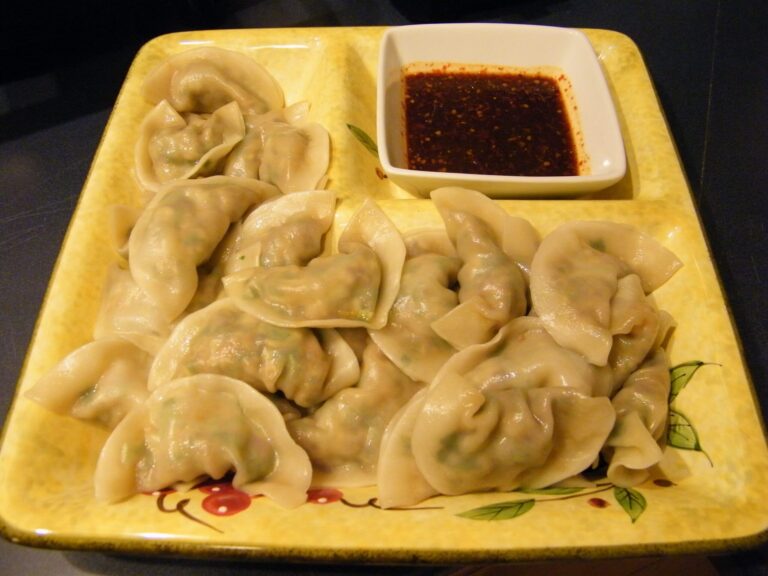
Boiled dumplings had once belonged closer to celebratory foods. With cheap imported flour now stable and abundant, everything shifted. Wrappers and fillings could be made in bulk. They filled the stomach. Families began eating them in place of rice. What had been a snack moved into the position of a main meal. In Taiwan, this dish stopped being light food and became a complete serving of daily nourishment.
Flatbread and Fried Dough from Yonghe
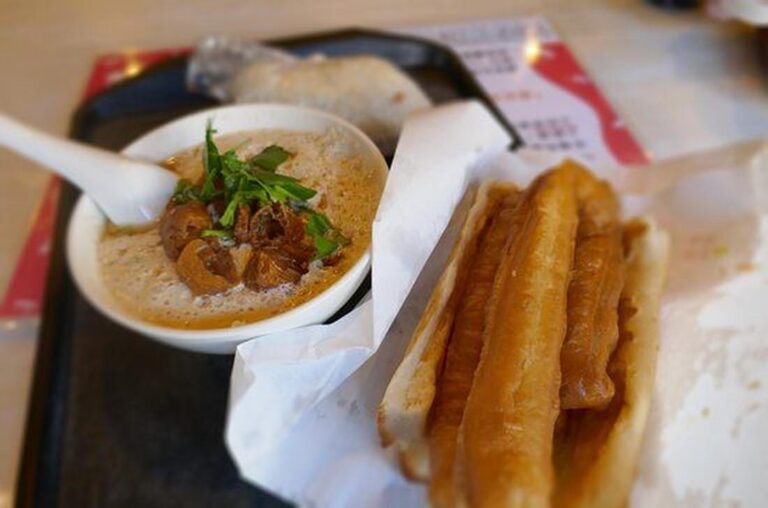
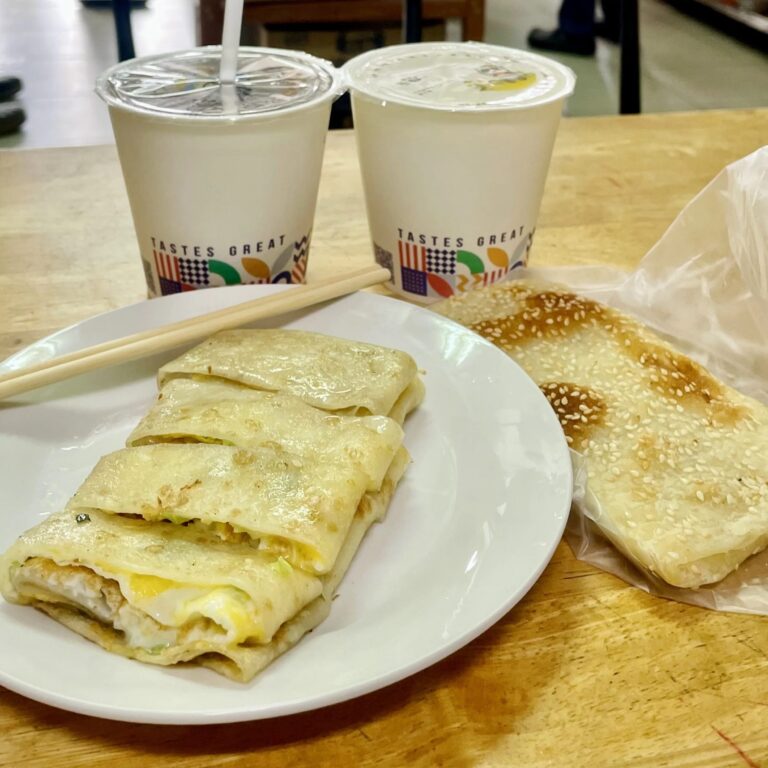
The pairing of flatbread and fried dough also settled into daily life during this period. Retired soldiers gathering in Yonghe baked and fried wheat products to sell. The food was filling, inexpensive, and suited early-morning laborers. The two items spread as a set rather than separately. Over time, the place name Yonghe itself came to represent this breakfast style. Wheat sank deeply into everyday routines.
The Techniques That Settled with the Flour
The wheat culture brought in 1949 did not stop at simple dough foods. It also included the refined dim sum techniques developed in the Yangtze Delta, Shanghai, and Jiangnan regions. Steaming, wrapping, sealing, not expanding dough but controlling it, formed a different culinary world.
Its most complete form in Taiwan became xiaolongbao.
Trapping Heat Inside Thin Skin
This dish is more physical than it appears. Hot soup is sealed inside extremely thin wrappers. If the skin tears, it collapses. If too thick, it fails. The flour must balance stretch and strength. In Taiwan’s humid climate, this stability would normally be difficult. Yet postwar Taiwan was flooded with high-quality American wheat flour. Strong gluten flour arrived with consistent properties.
That environment transformed delicate technique into mass production. The dish did not survive simply through tradition. It existed because conditions finally aligned. Aid wheat became the physical foundation of dim sum culture.
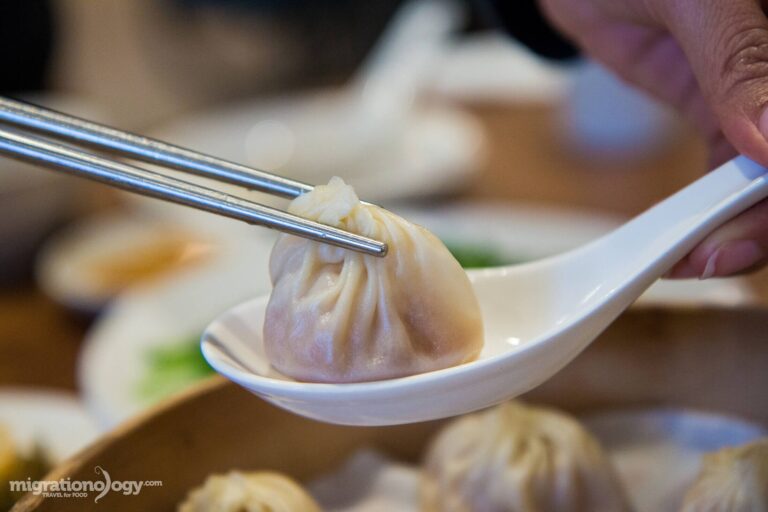
The Standardization by Din Tai Fung
The symbol that elevated this technique into a city landmark was Din Tai Fung. It began as a small cooking oil shop. Dumplings started as a side business and soon overtook everything else. What the restaurant introduced was not reproduction but systemization.
Wrapper thickness was fixed. The number of pleats was standardized at eighteen. Filling weight and soup volume were measured precisely. A craft once dependent on individual touch was translated into numbers. Consistency replaced variation. Anyone could wrap identical results. The dish moved beyond home cooking and regional food, becoming a refined product associated with Taiwan itself.
Here, flour shifted from survival food into culture. Taiwan, as a result, appears to be one of the places where wheat-based techniques from across China were preserved and evolved with unusual purity.
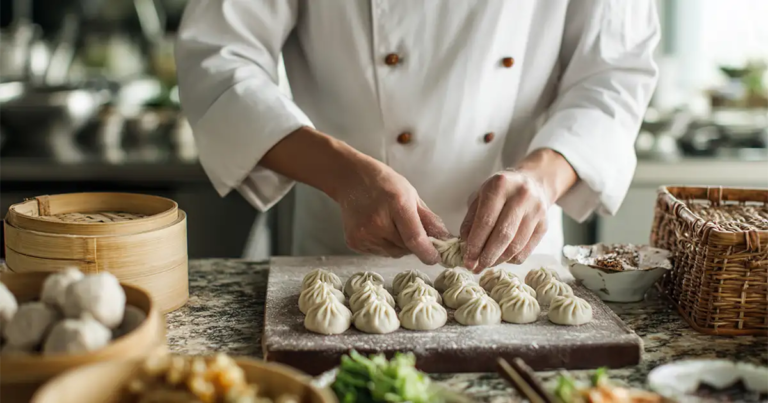
The Rice Layer That Never Disappeared
No matter how thick the wheat layer grew, the rice culture beneath it did not vanish. Instead, its presence became clearer.
Braised Pork Rice Protected by Humidity
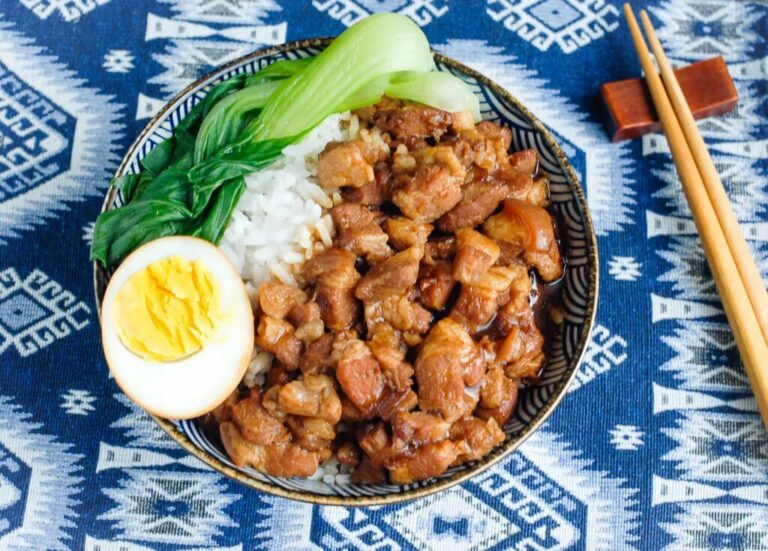
Braised pork rice remained unchanged. Finely chopped pork, dark soy color, white rice soaked in steam. The structure had existed since before the war. No matter how much noodle culture expanded, this bowl stayed central.
The stickiness of rice grown in humidity and the weight of fat and soy sauce formed a combination that could not be imported. It was created by the island’s conditions themselves. This dish persisted like bedrock beneath the layers.
The Transformation of Sweet Potatoes
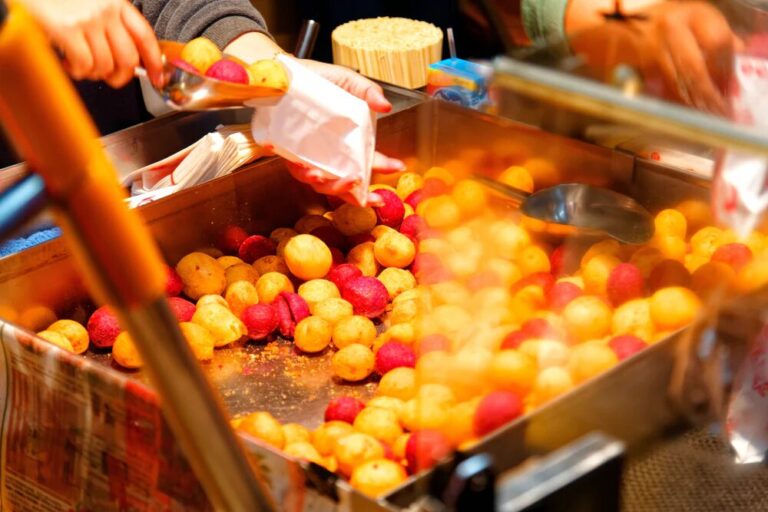
Sweet potatoes belonged to the same foundational layer. Once they served as substitute staples during rice shortages, grown to fill stomachs. They even carried social meaning, with different groups labeled by the crops associated with them.
As the economy stabilized, sweet potatoes left the role of main food. They became roasted snacks, fried desserts, items in convenience store cases. A former survival crop turned into a treat. Yet it never disappeared. It simply changed shape.
Flavors That Did Not Shift
After the war, Taiwan’s table changed visually. Bowls filled with noodles. Steam baskets lined with dim sum. Wheat-based foods entered the center of daily meals. Yet the direction of flavor barely moved.
The Thick Soy Sauce That Waited at the End
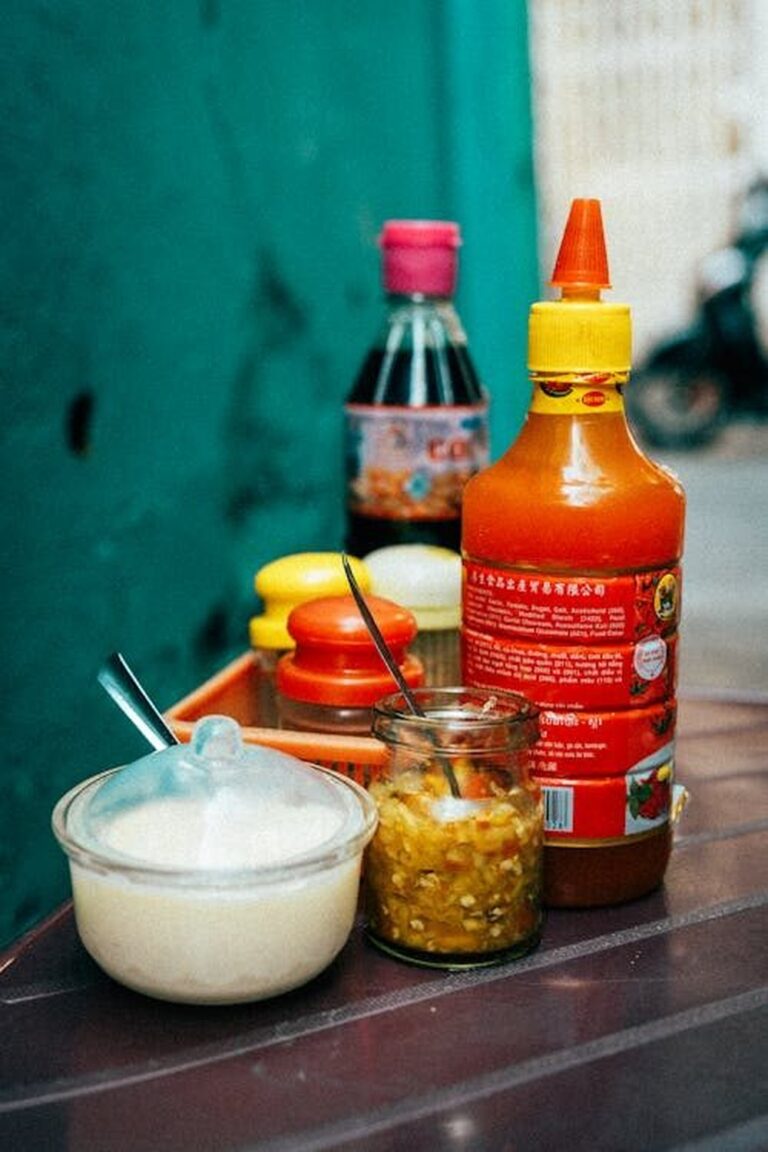
In northern China, dumplings are often eaten with black vinegar and raw garlic. In Taiwan, almost every table offers thick sweet soy sauce, jiang you gao. It coats food and clings to surfaces. The same sauce appears on omelet rolls and radish cakes. Even wheat dishes land in Taiwanese sweetness at the end. The ingredients changed. The destination did not.
The Aroma of Fried Shallots
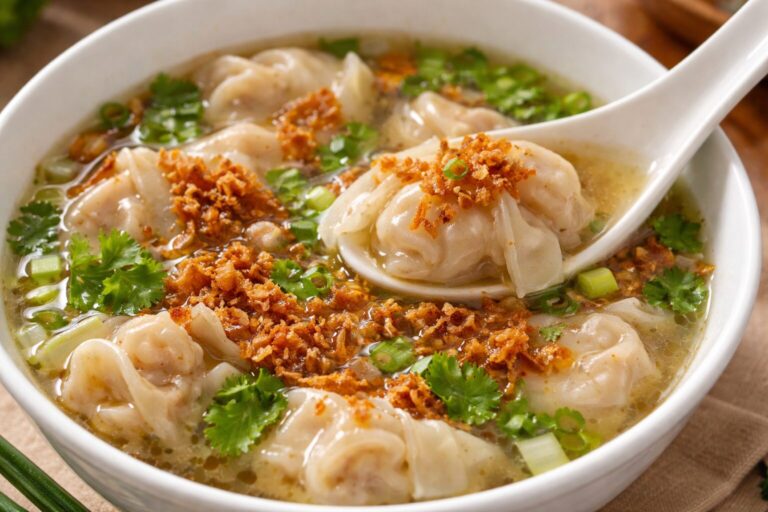
The other pillar is fried shallots, you cong su. Their fragrance dissolves into noodle soups. Whether beef noodles or tan zi noodles, the scent waits beneath the surface. Mainland noodle dishes transform into Taiwanese food the moment this aroma appears. Materials shifted, but the skeleton remained.
An Island Carrying Two Layers
Taiwan’s food culture looks less blended than layered. On top sit wheat, noodles, and dim sum. Beneath lie rice, sweet potatoes, and humidity. Neither layer erased the other. They coexist while sharpening each other’s presence.
When someone eats dumplings at a night market and then scoops braised pork rice afterward, they move unconsciously between two geological layers. It resembles not just a meal but contact with the island’s history of migration, policy, and adaptation. Taiwan continues to wake each morning carrying two stomachs at once.
— Detour —
a little further to walk
- Notes on Bao and Jiao in Taiwan
- Notes on Ponlai Rice and Taiwan’s Sticky Grain
- Notes on the Taste of Taiwan Before 1949