A place to reset the body with nasi kandar and teh tarik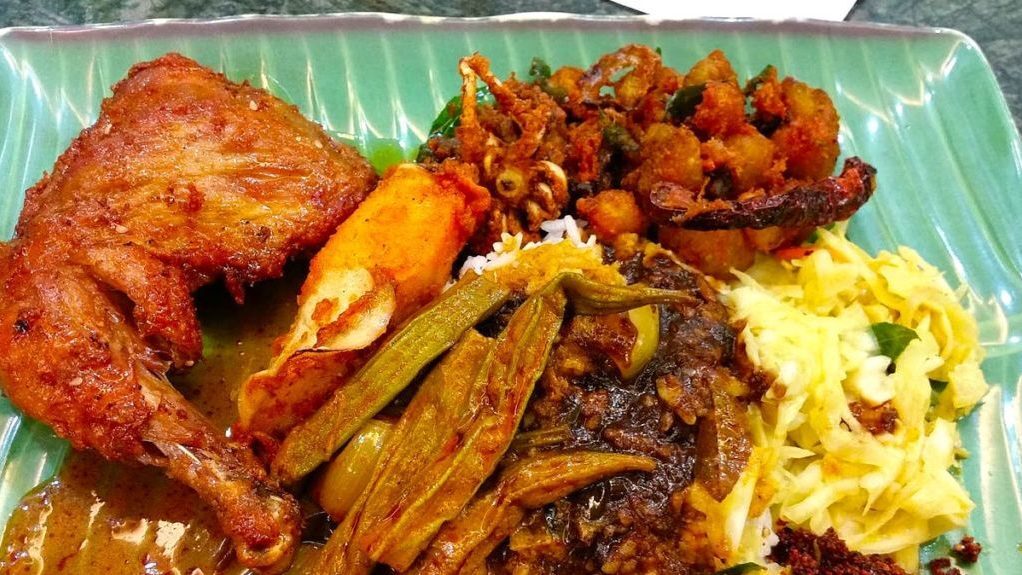
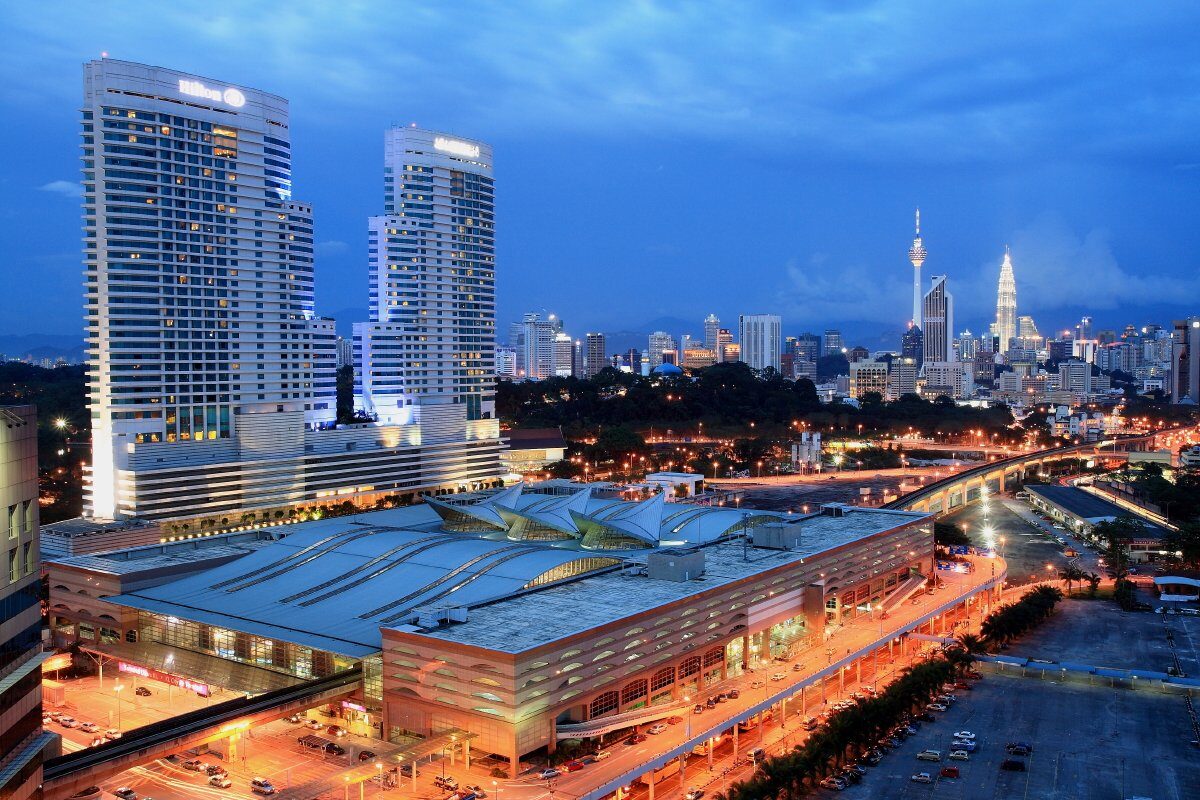
In the basement of Nu Sentral mall, directly connected to KL Sentral station, there is a nasi kandar shop. It is Original Penang Kayu, a chain that began as a small stall in Penang in 1974. Multiple curries are mixed together on the plate, a conical roti tisu roughly the height of a small child stands alongside it, and the meal ends with teh tarik.
The local assessment is not high. The phrase poton kayu — meaning overpriced — is a common response when the name comes up. The view that the price runs about one and a half times higher than street-level stalls, and that the food is standard rather than exceptional, is accurate by local standards. For a traveler who has just arrived carrying heavy luggage, however, the criteria shift.
From the Chilled Carriage to the Smell of Spice
Taking the KLIA Express from Kuala Lumpur International Airport, one arrives at KL Sentral station in twenty-eight minutes. The carriage is air-conditioned, the seats are clean, and through the window the highway and jungle alternate in steady succession. The airport and the express train share the same quality — a temperature-controlled, nationality-neutral space held at a consistent level of cleanliness. Arriving at KL Sentral, passing through the ticket gates, and descending into the basement of the directly connected shopping mall Nu Sentral, something shifts. The smell of metal and cold air disappears. In its place, the smell of charred spice and heavy oil reaches the nose. Anyone who has been to Malaysia before recognizes this immediately.
It is possible to go straight to the hotel. But stopping here first to eat something — while still pulling a suitcase — carries a particular purpose. The closest description is adjusting the stomach to the temperature of the tropics. Original Penang Kayu at KL Sentral functions as the place for that adjustment.
What Nasi Kandar Is
Nasi kandar (nasi kandar) is not easy to fix in the mind for someone arriving in Malaysia for the first time. It is sometimes explained as curry rice, but that is not quite accurate. It is a popular dish originating on Penang Island, prepared by Indian Muslim cooks known as mamak. Nasi is rice in Malay; kandar refers to a carrying pole. The name comes from the practice of sellers balancing rice on one end of a shoulder pole and curry on the other, walking through the streets to sell their food.
The defining feature is the mixing. It is not a matter of placing a single curry neatly over rice. Fish curry, chicken curry, braised beef — multiple sauces finished with different spices are poured together onto the plate until they merge completely. Campur means to mix in Malay. The finished plate is brown. The appearance is not orderly, but the combination of multiple sauces produces a layered complexity that no single sauce alone can generate. That is the structure of this dish.
The Shop Named After a Thin Boy
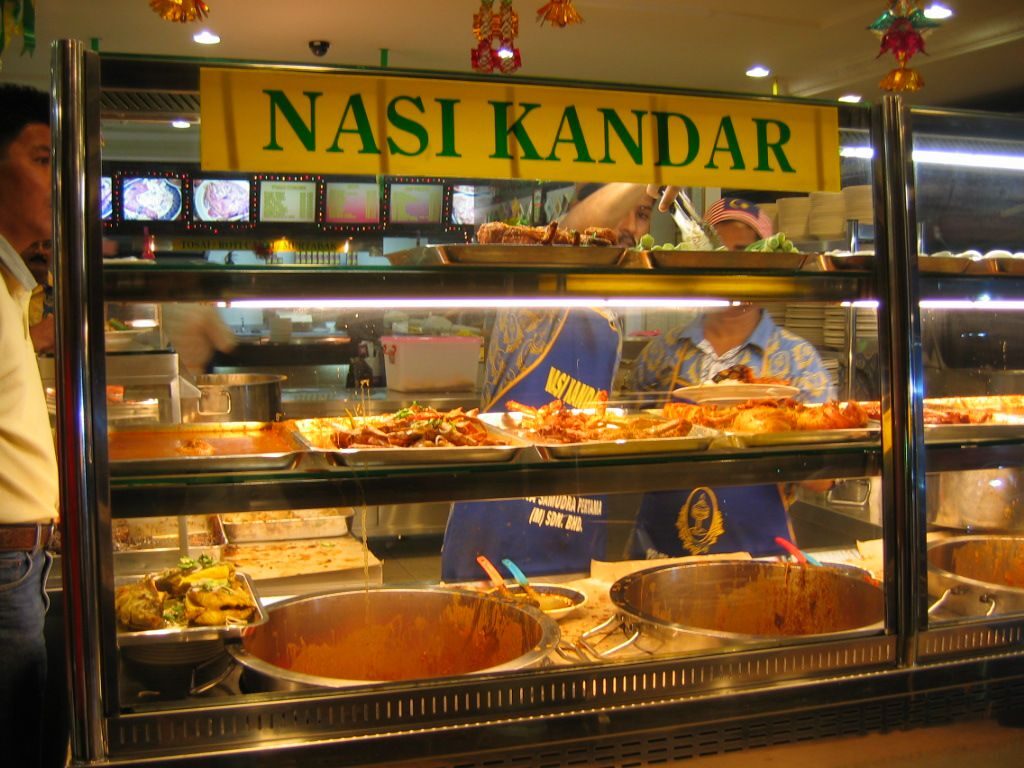
The full name is Original Penang Kayu Nasi Kandar. It sits on the lower ground floor of Nu Sentral, open to the corridor. Kayu means wood, or stick, in Malay. The founder, Sirajudin, was reportedly teased as a child for being thin — stick-like — and that nickname became the shop’s name. Various origin stories exist, but this is the one most commonly told.
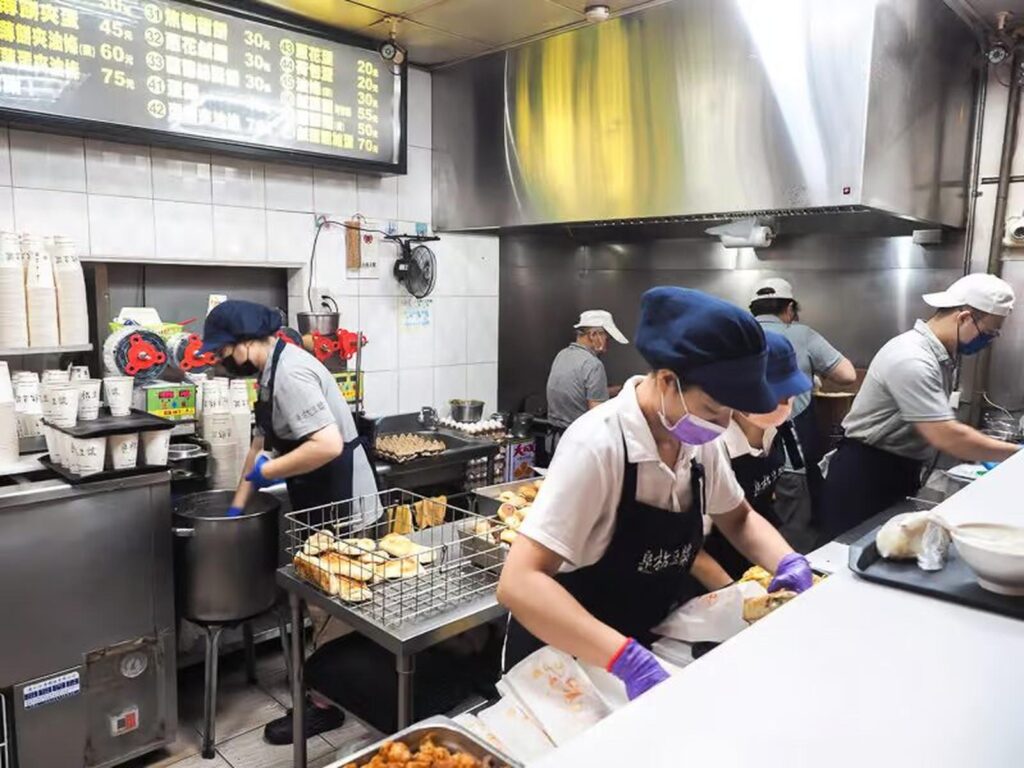
The shop began as a small stall in Penang in 1974. The dish that was once carried through alleyways on a shoulder pole is now the signature item of a large chain with locations across the country. The KL Sentral branch is one of its most representative outlets. Despite being in the basement of a mall connected directly to a major transit hub, the kitchen is open, and smoke and smell reach the seating area. It is a shop that contains the heat of a street stall inside an air-conditioned space. That a dish born in the lanes of Penang is served in the same way inside a Kuala Lumpur station building says something about how far this food has traveled.
How to Order
The ordering process begins in front of a glass display case. Behind the glass, the day’s dishes are arranged — enormous fried chicken, squid simmered in red sauce, beef in dark braising liquid. One points. No words are needed for this part.
After selecting the dishes, the final and most important instruction is given for the sauce. The phrase to use is: kuah campur, banjir. Kuah means sauce, campur means mix, banjir means flood. The request is for multiple sauces to be mixed together and poured over the rice in generous, flooding quantity. The server takes a ladle and pours fish curry, chicken curry, and beef braising liquid over the rice in succession. The sauces merge, and a brown sea with no visible borders forms across the plate. The appearance is not attractive. But this state is the completed form of the dish. The mixing is where the complexity of flavor comes from — the layered taste that cannot be produced by any one sauce on its own.

The Tower of Roti Tissue
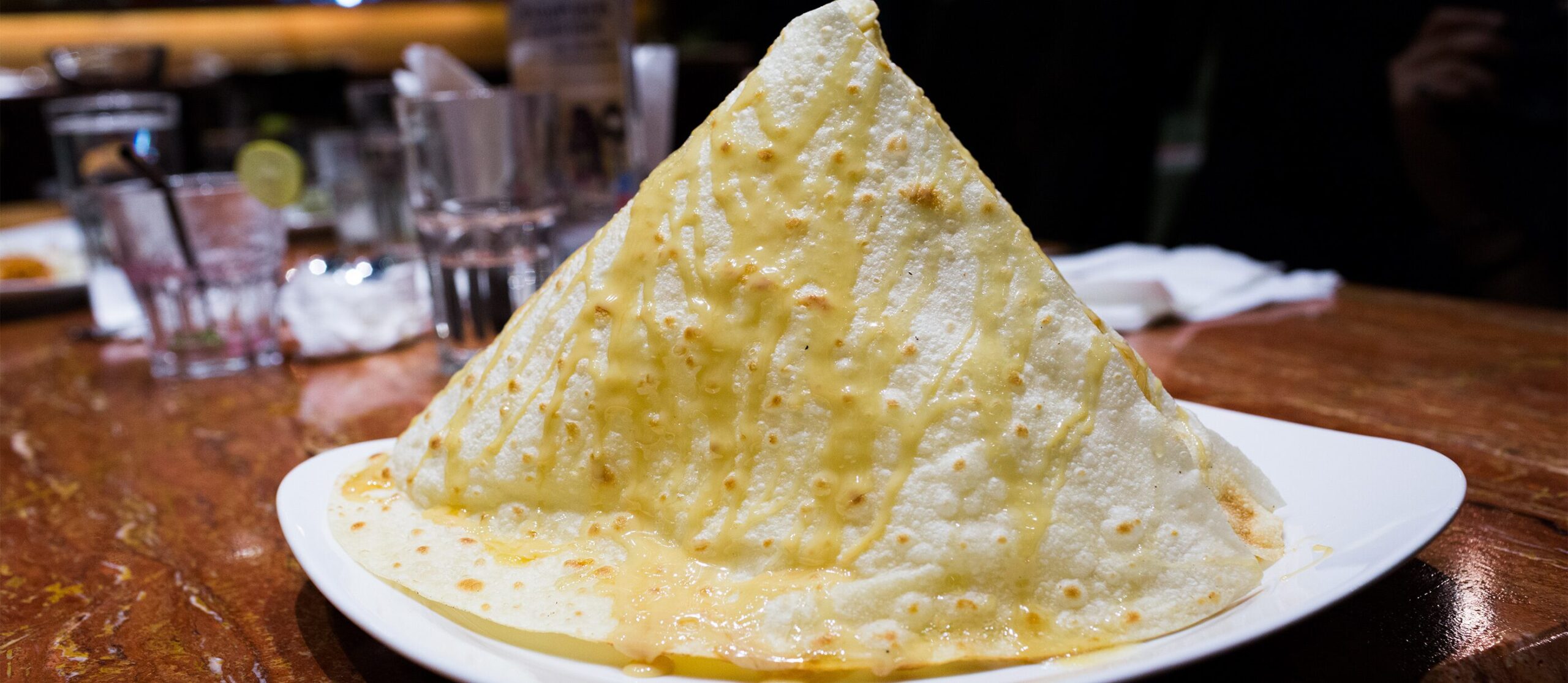
Sitting at the table and waiting for the food to arrive, one notices a waiter crossing the room carrying something unusual. It is a conical tower roughly the height of a small child. This is roti tisu — tissue paper bread. The name comes from the Malay word for tissue paper. The dough is stretched to an extreme thinness, shaped into a standing cone, and baked. The surface is coated with sugar and condensed milk.
Kayu became known primarily through its curry, but this roti tisu has become an equally prominent fixture of the shop. The visual impact is strong, and every time one is carried to a nearby table, the eyes of first-time visitors follow it. The curry plate is heavy, spiced, and brown. This white tower stands beside it. After the saltiness and heat of the curry, the sweetness of sugar and condensed milk spreads through the mouth. That swing in sensation shakes loose something that has been dulled by hours of travel. There is no prescribed way to eat it — some break it apart with their hands, some dip pieces into the curry.
Teh Tarik as a Fire Extinguisher
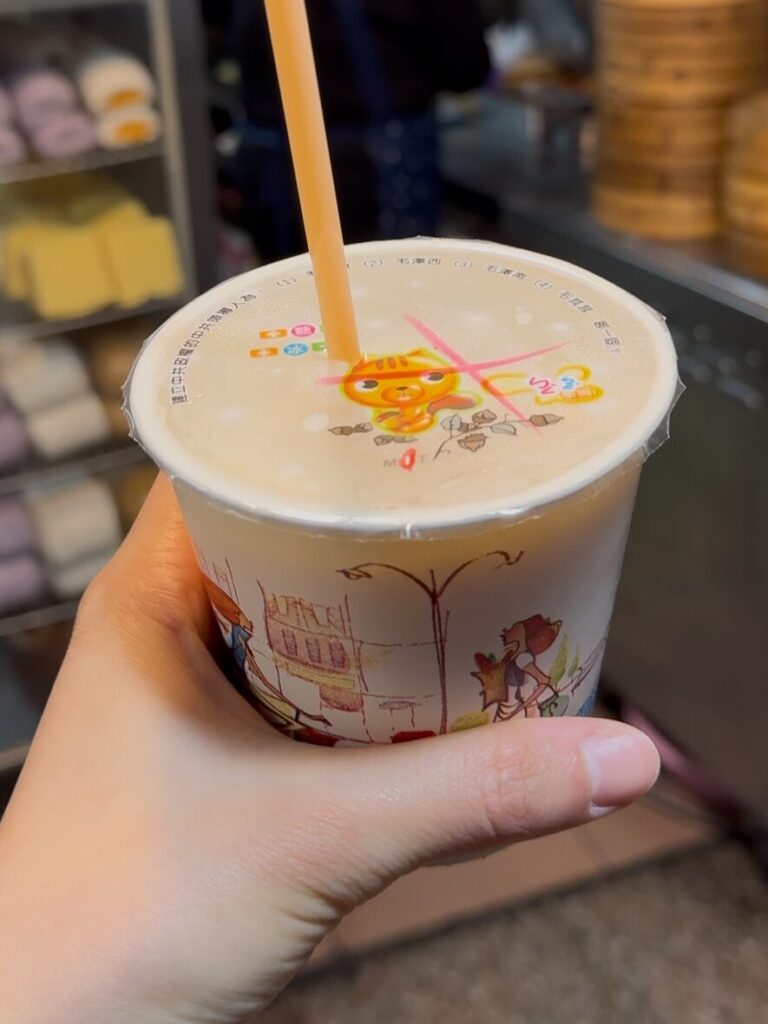
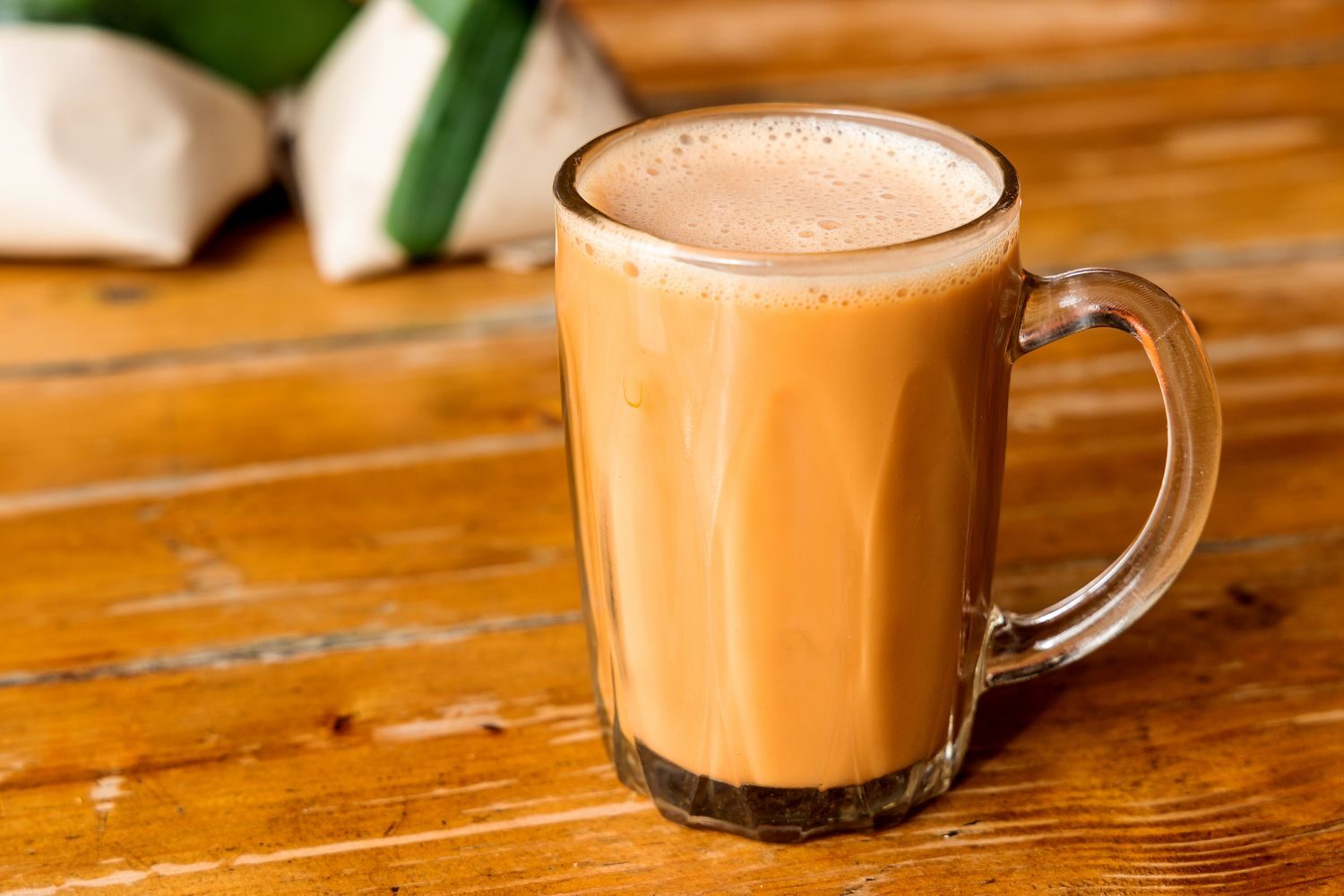
After eating, the heat of the spices lingers in the mouth. Drinking water does not move the oil of the curry. An oil-based heat does not mix with water. What one orders at this point is teh tarik — strong-brewed black tea mixed with a generous quantity of condensed milk. Tarik means to pull in Malay. The name comes from the repeated action of pouring the liquid from a height down into a lower vessel, raising foam in the process and equalizing both temperature and flavor throughout. The intense sweetness of the milk fat and condensed milk envelops the spiced oil and neutralizes it. After the heat comes the sweetness, and the palate is reset.
This is less a drink consumed after a curry and more a final step built into the structure of the meal itself. It is possible to order it kurang manis — reduced sweetness. But here, accepting the sweetness fully may be the more honest way to engage with the food.
Why Locals Call It Poton Kayu
Searching for this shop on Google Maps, the rating typically sits around 3.5 stars. Telling a Malaysian friend one went to Kayu usually produces a wry smile. The response tends to be: that place is expensive — it’s poton kayu. Potong kayu means to cut wood in Malay, but it functions as slang for overcharging, playing on the shop’s name. Compared to street-level stalls, the prices are roughly one and a half times higher, and the general assessment is that the food is standard rather than exceptional. The view that better and cheaper options exist everywhere is accurate by local standards.
But that assessment comes from the perspective of locals who can move freely by motorcycle or car — people who know the geography of Kuala Lumpur and know which stalls are worth going to. A traveler who has just arrived has neither that information nor that mobility yet.
A Different Set of Criteria for Someone Carrying Luggage
For a traveler pulling a suitcase, still heavy from a long-haul flight, and not yet adjusted to the humidity outside, the criteria shift. Direct connection to KL Sentral station. A clean floor and functioning air conditioning. Space to put luggage down. Staff who speak English. No pressure to order quickly. These conditions carry more weight than a price difference of a few ringgit.
A deeper, more local stall would offer cheaper and better nasi kandar. But getting there involves standing on a hot street, navigating rapid Malay, and working out the unspoken rules of ordering that no one will explain. For someone attempting this dish for the first time, that barrier is real. At Kayu’s display case, pointing is enough. Two phrases — kuah campur, banjir — cover everything else that needs to be said. Having experienced once what this dish is, and what mixing multiple sauces produces, one can stand at the next stall with slightly more composure. Kayu is a functioning entry point into Malaysian food, with the friction reduced.
The Adjustment Is Complete
The last of the curry is wiped from the plate with a piece of roti. The teh tarik is finished. The feeling of sitting in the chilled KLIA Express carriage is no longer present. The body has reached the same temperature as Malaysia. The spiced oil has settled in the stomach. The sweet milk tea has cleared the mouth.
The suitcase is picked up again. The exit of the mall approaches. Beyond the automatic doors, the outside air of Kuala Lumpur is waiting.
Original Penang Kayu Nasi Kandar (NU Sentral)
— Unit LG. 30 & 31, NU Sentral Mall, 201, Jalan Tun Sambanthan, Brickfields, 50470 Kuala Lumpur
— 11:00–14:00 / 17:00–21:00 (Closed Mondays)
— Direct connection from KL Sentral. NU Sentral Mall, LG level (lower ground), along the outdoor shop lots.