A second lineage rising with the morning steam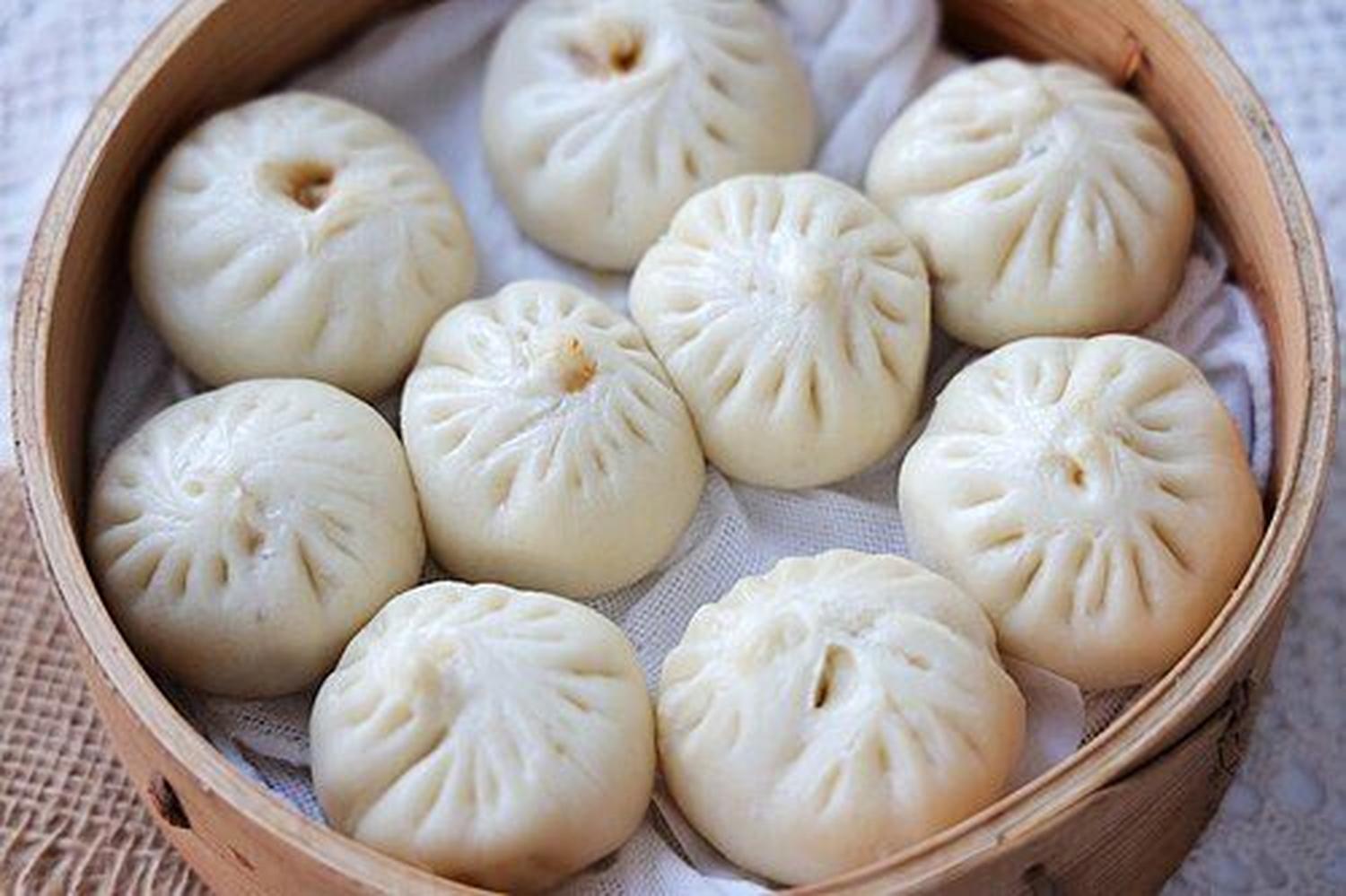
In front of a soy milk shop in the early hours, white steam rises slowly from stacked bamboo baskets. Commuters pass at a quick pace, scooter engines gather at the intersection, and beside them, the lid of a basket lifts for a brief moment to reveal what sits inside. Lined up there are xiaolongbao, though not the kind many travelers imagine. They are not wrapped in thin skin like those at Din Tai Fung, delicately sealing hot soup inside. Their wrappers are thick, softly swollen, and closer in appearance to small meat buns.
For someone seeing them for the first time, the thought often follows that they must be inferior to the versions found in tourist districts, a simplified form made in haste. Yet this softness is not a mistake. Within it remains the history carried by the island and the boundary of wheat culture that once divided the Chinese mainland into north and south.
Two lineages within one name
The word xiaolongbao refers to one thing, yet its contents divide into two clear traditions. One is the style often found in specialized restaurants, known as xiaolong tangbao. The wrappers are made from unfermented dough, relying on gluten strength to trap soup inside and designed to reach completion in the brief moment after steaming. This lineage belongs to the dim sum culture of the Jiangnan region south of the Yangtze River, where wheat is not a staple but a delicacy, and thinness, refinement, and technique become the measure of value.
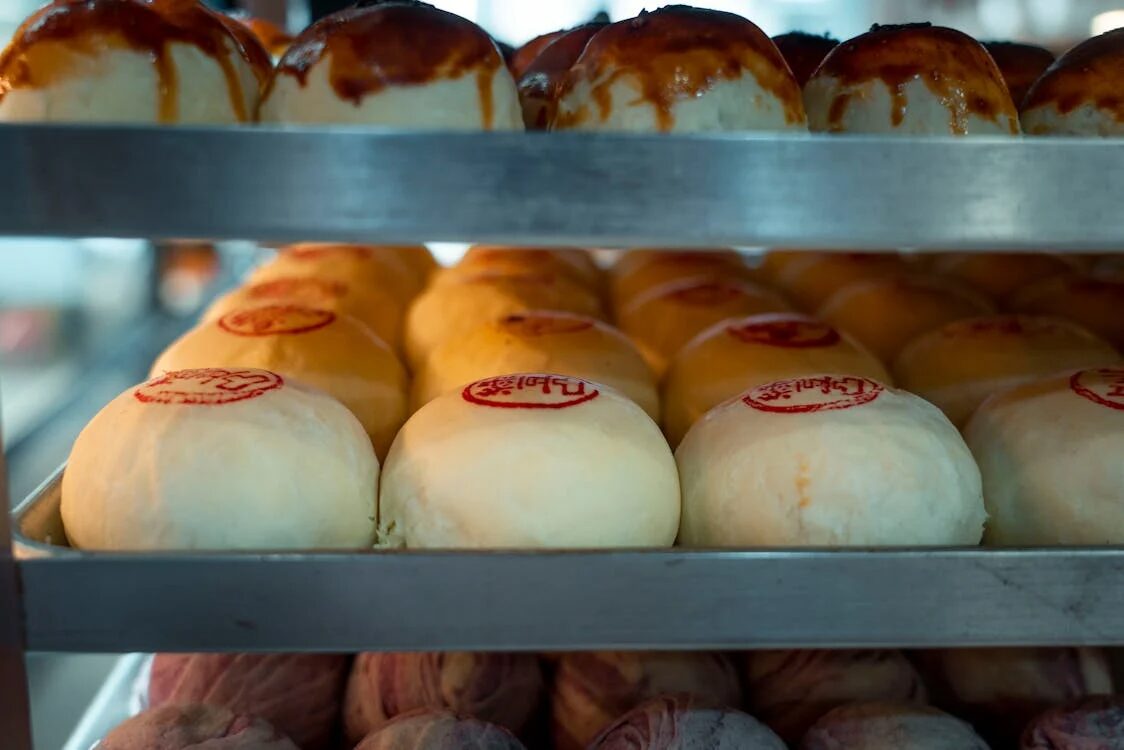
The other appears in breakfast shops. Here the dough is fermented, raised with yeast or old starters. The wrapper itself is sweet, soft, and filling. It sits closer to a staple food than to a crafted dish, tracing its roots to the northern regions above the Yellow River. Mantou, baozi, and jiaozi belong to this same world, foods of people who lived on wheat. The fluffy xiaolongbao stacked in Taiwanese breakfast shops carry this northern blood. They are not thick by accident. They originate from another cultural zone entirely.

Two million people crossing the sea
Why did this northern wheat tradition take root on an island built on rice? The turning point lies in 1949. After defeat in the Chinese Civil War, the Nationalist government relocated to Taiwan, and with it crossed nearly two million people from the mainland. Many were from the north, raised on wheat rather than rice.
For them, mantou were daily food, and soy milk was the morning standard. These habits did not disappear upon arrival. Around their homes they kneaded flour, boiled water, and stacked steamers. What began as meals for themselves gradually spread outward. A new layer settled onto the rice island, and wheat became part of the morning landscape.
The mornings that formed in Yonghe
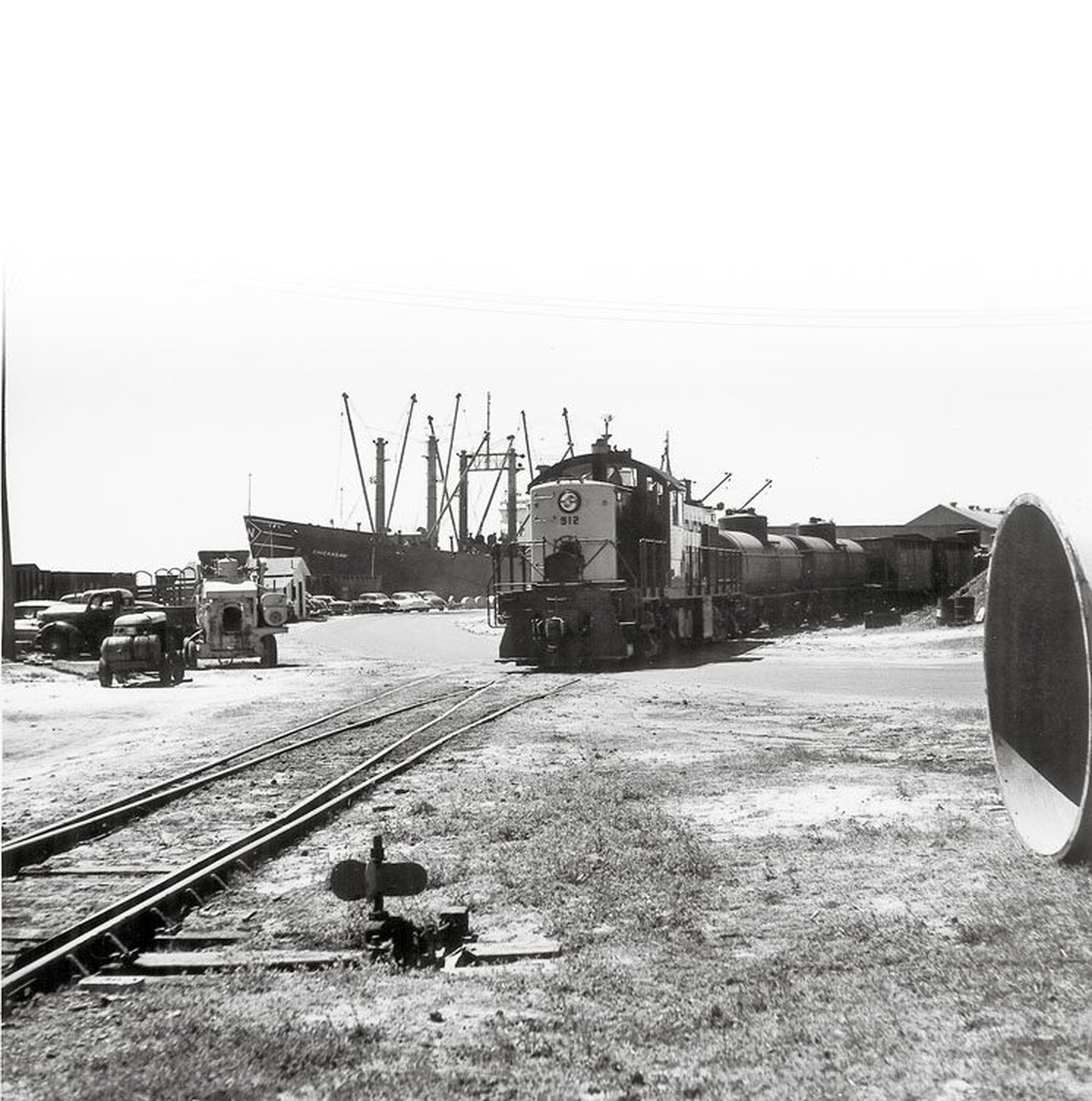
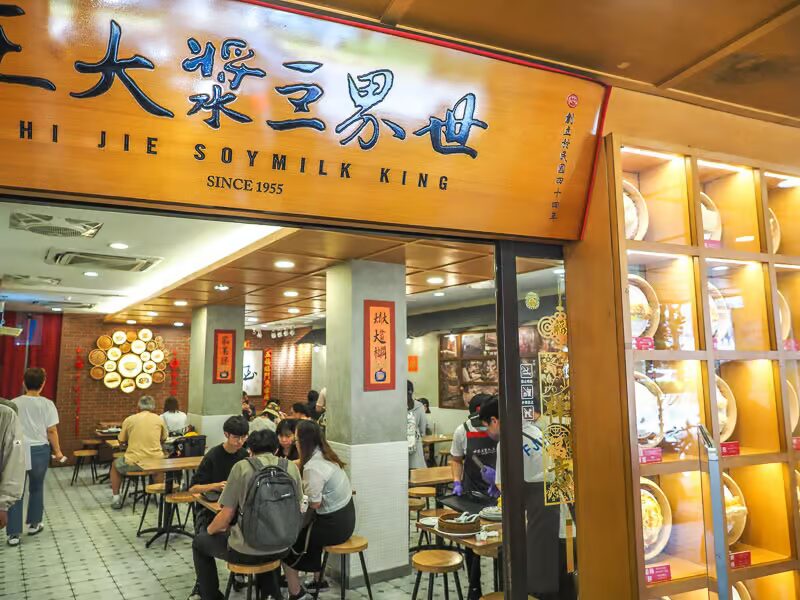
The place where this culture took urban shape was Yonghe, the satellite city connected to Taipei by Zhongzheng Bridge. In the years after the war, rent was low and access to work was easy. Many retired soldiers and their families settled there and began selling the flavors of home. Soy milk, flatbreads, steamed buns filled their counters. Shops stayed open late into the night, and some eventually ran until morning.
What had been a late-night food culture on the mainland shifted into breakfast under Taiwan’s climate and rhythm. Workers stopped by before their shifts. Children lined up before school. The Taiwanese-style breakfast shop was born, and in its steamers sat the compact versions of northern staple foods.
The soft xiaolongbao were memories reshaped for speed and portability. They grew smaller, easier to eat in haste, but never lost their ability to fill the stomach.
Northern staples and southern delicacies
The northern lands of China are cold and dry, where wheat grows easily. There, wheat became daily sustenance rather than luxury. Wrappers for mantou and dumplings grew thick, prioritizing fullness and durability over delicacy. They could cool without collapsing, be carried in hand, and fuel labor before work.
The south is warm and humid, where rice thrives. Wheat drifted toward the margins and into the realm of dim sum. Wrappers thinned, folds multiplied, and texture became a matter of finesse. Xiaolong tangbao emerged along this path.
What Taiwanese breakfast shops inherited was the northern use of wheat. Before school or labor, what mattered was reliable carbohydrates rather than a refined soup ritual. Fermented dough met those conditions. The thick wrappers stayed light, filled with air, and softened in the mouth.
The inevitable pairing with soy milk
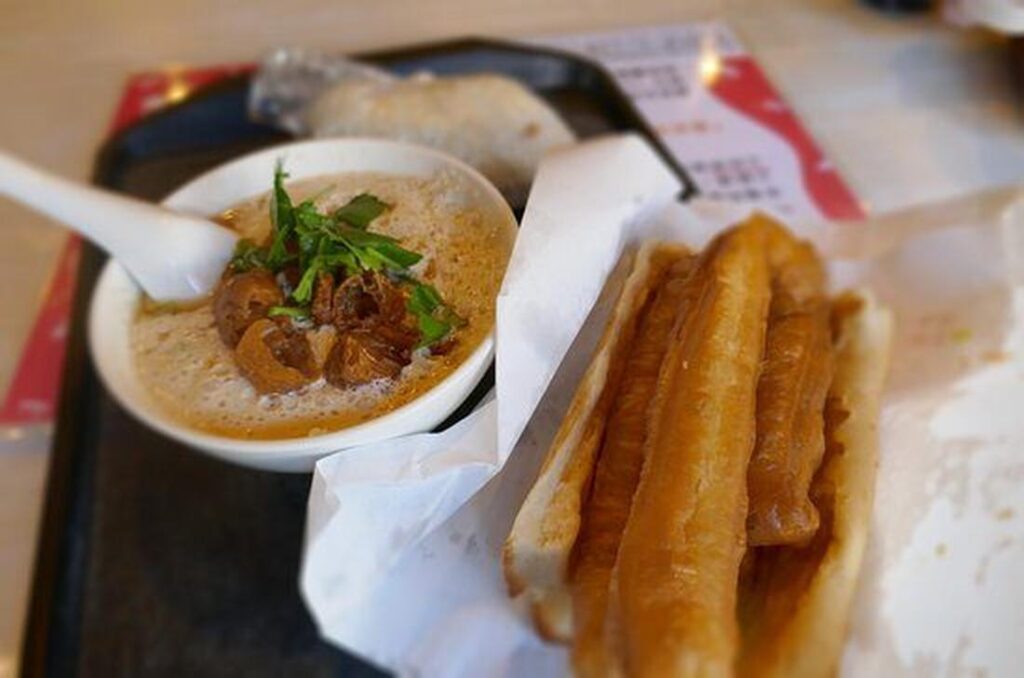
History alone does not explain the softness. The liquid placed beside it matters just as much. Warm soy milk is always present. Fermented dough absorbs moisture. When bitten, the sweetness of wheat appears and holds liquid briefly in the mouth. When followed by soy milk, everything settles into a smooth flow, similar to bread taken with a drink.
If the morning began instead with soup-heavy dumplings and then more liquid, oil and broth would clash in the stomach, outweighing the rhythm of the day. The breakfast version of xiaolongbao does not display its soup. The wrapper leads, and the drink completes it. The pairing of fluffy dough and soy milk looks like northern staple culture adjusted to Taiwan’s mornings.
Behind Taichung Station: Tianjin Gou Bu Li Tangbao
One morning in Taichung, a line forms behind the station under a sign reading Tianjin Gou Bu Li Tangbao. The name itself recalls the baozi lineage of Tianjin, carrying northern memory in its characters.
What emerges from the baskets stretches ordinary definitions. Each piece is the size of an infant’s fist, wrapped in thick fermented dough leaning toward old starter methods, with a texture close to bread. Yet soup still spills from within, not by spoonful but in floods, forcing together two traits rarely compatible: fluffy wrapper and large volume of broth.
The operation is rough. Customers pour their own drinks, fill plastic bags directly with sauce, and sit on small plastic stools to bite in while the contents are still scalding. It feels less like refined dim sum than like fuel for laborers. Northern wheat, battered by Taiwan’s heat and fat, has transformed into something new. In this single shop, the boundaries of what xiaolongbao can mean expand abruptly.
The opposite pole: Din Tai Fung
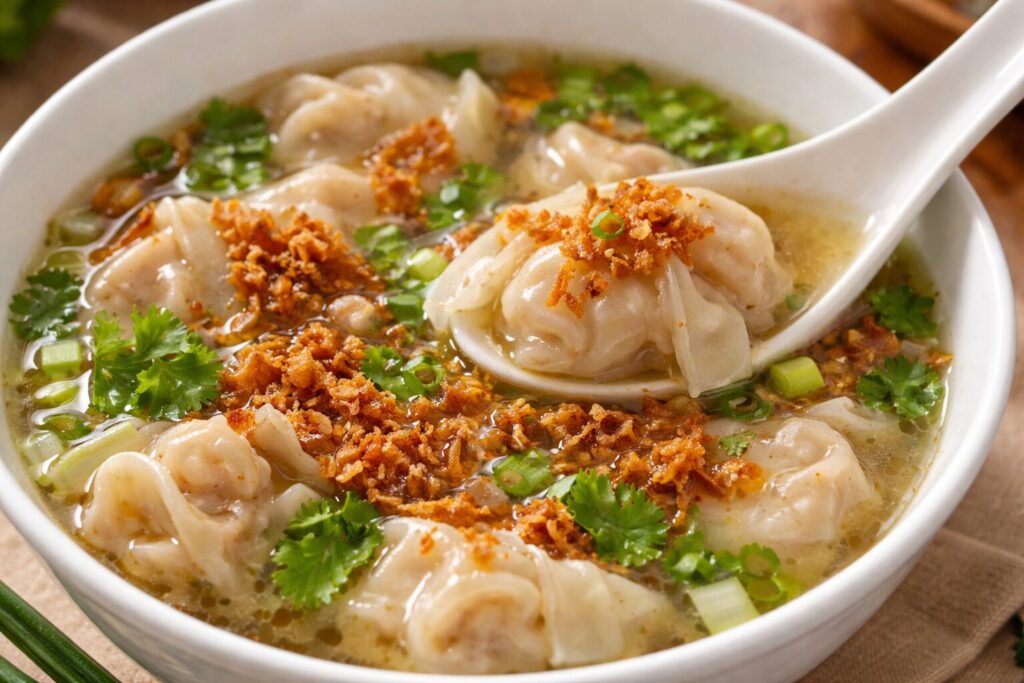
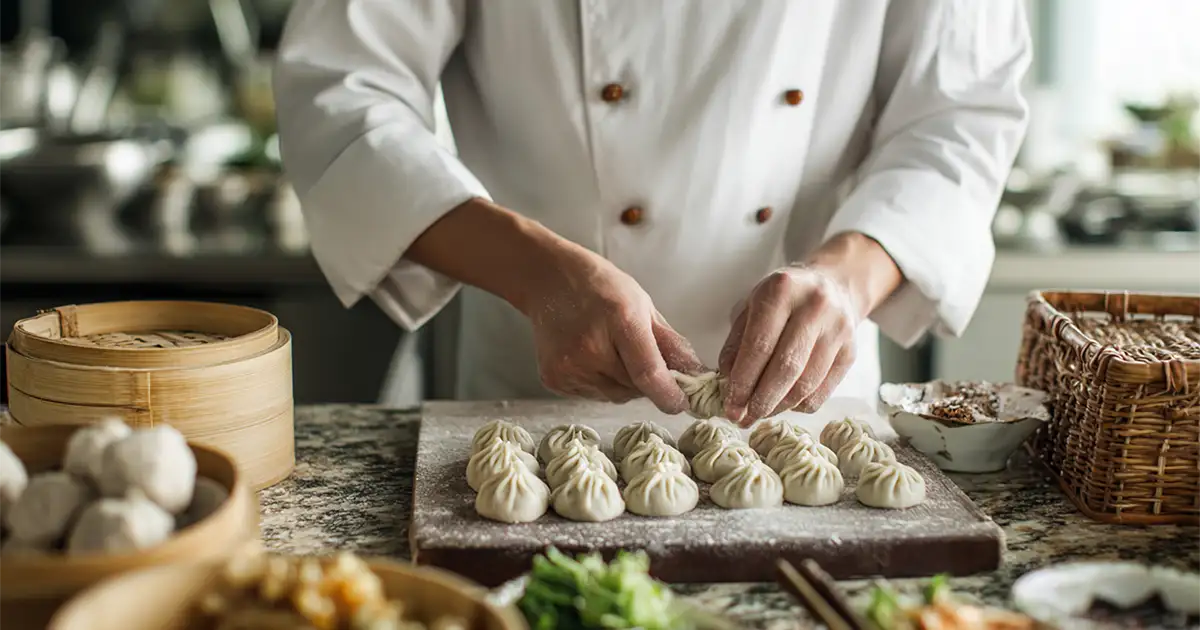
For many visitors, the first encounter with xiaolongbao happens at Din Tai Fung, where thin wrappers cradle soup and are lifted carefully onto spoons. This is no coincidence. What Din Tai Fung perfected belongs clearly to the southern dim sum lineage. Unfermented dough is shaped with precision, folds become uniform, and mouthfeel is engineered. Wheat here is not staple but craft.
If the fluffy breakfast versions stand in the northern tradition, the lines of travelers at Din Tai Fung represent the southern one. The same name covers foods of different origins and purposes. That gap is part of the depth of Taiwan’s xiaolongbao.
Layers behind the steam
In Taiwan today, thick northern skins and thin southern skins stand a single alley apart. One is not a substitute for the other, nor a degraded form. On the plastic plates of breakfast shops, the soft xiaolongbao still carry the layers of people who crossed the sea and rebuilt daily life from memory.