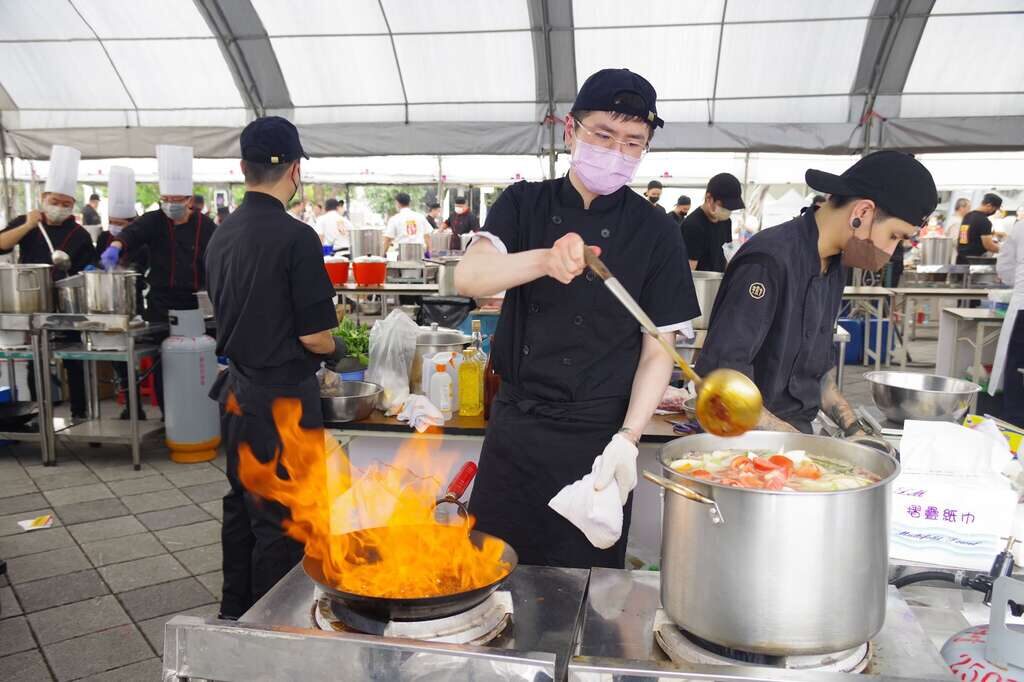
A daily drink sustained by movements of people and grain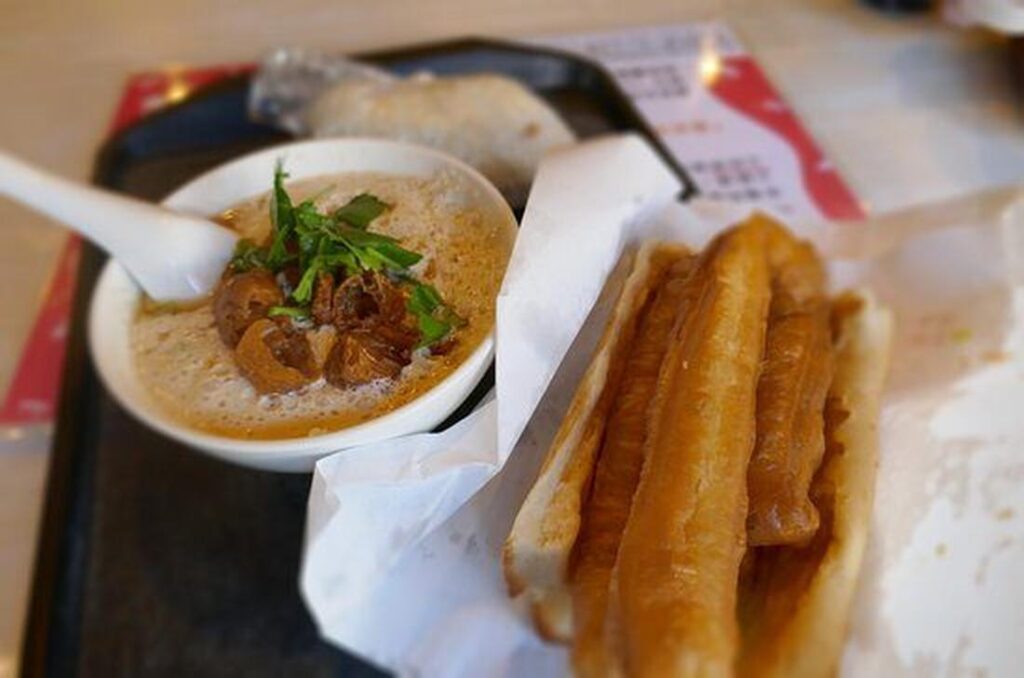
Taiwanese mornings often begin with the smell of soy milk (doujiang). A thin trace of steam sits at the rim of a paper cup, and white liquid lines up at the front of small shops. Yet on this island, soybeans are hardly grown. What spreads across the fields are rice and fruit trees, not rows of beans.
Most of the raw material arrives from beyond the sea. Soybeans harvested in the United States or Brazil cross the Pacific and enter through ports. A drink that sits at the center of daily life is not supported by crops grown on the land beneath it. As a food culture, it can look like a slightly unnatural arrangement.
Even so, in Taiwan, it is consumed almost every morning. It continues less as a preference than as a part of life. Why has this island kept drinking, with such persistence, something made from a crop it does not cultivate? The answer connects less to taste than to a large movement that occurred in 1949.
1949 and PL480 as a turning point
In 1949, the Nationalist government moved to Taiwan after losing the Chinese Civil War. At the same time, roughly two million mainland migrants crossed the sea. Many were from northern China. Shandong, Hebei, Beiping. They were people raised in cold regions where wheat, more than rice, had been the staple.
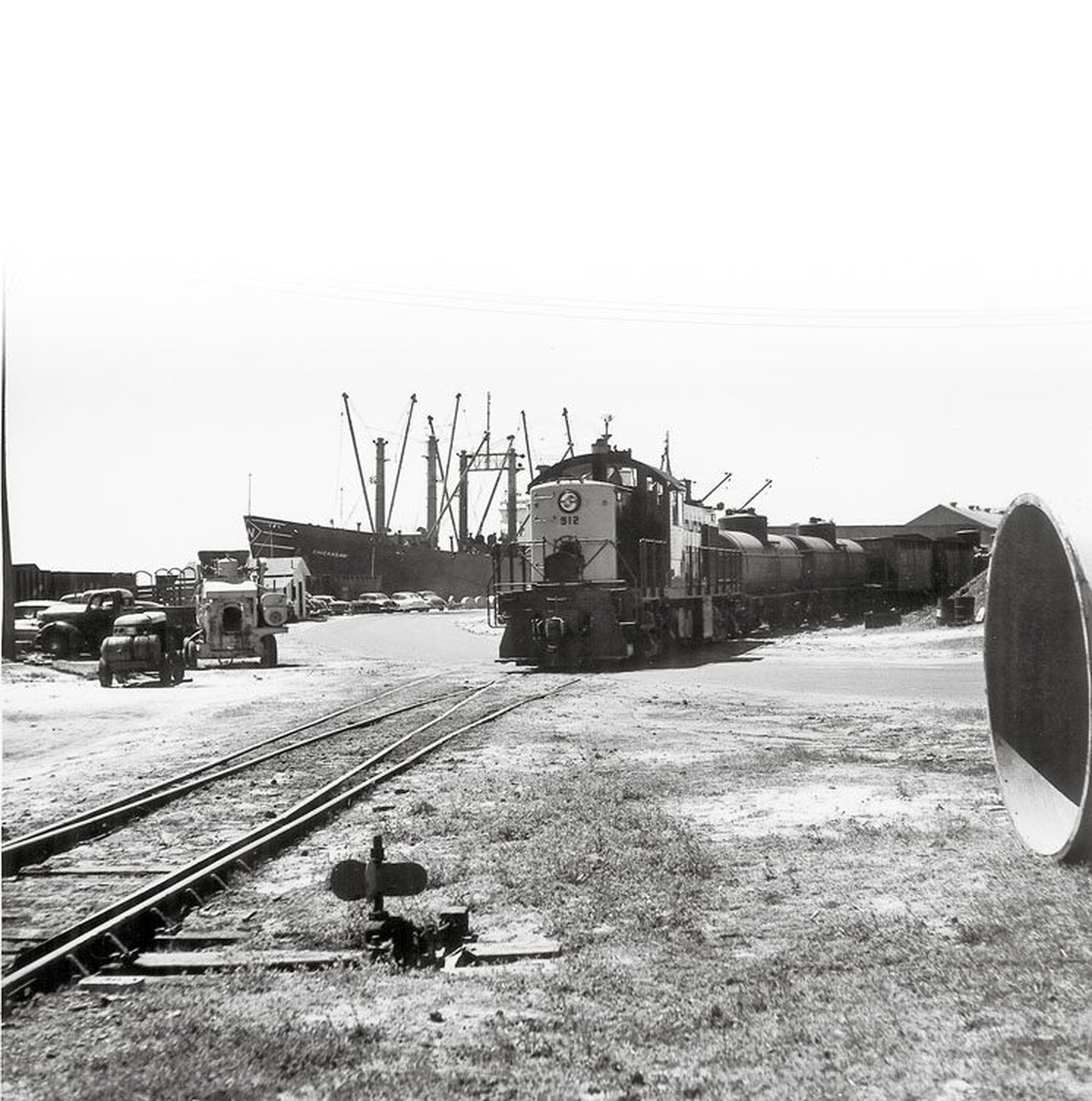
But Taiwan at that time faced a severe food shortage. The population rose abruptly, and agricultural production did not keep pace. Here, US aid played a large role. Under the Cold War structure came the PL480 program, a mechanism for exporting surplus American agricultural products to allied countries.
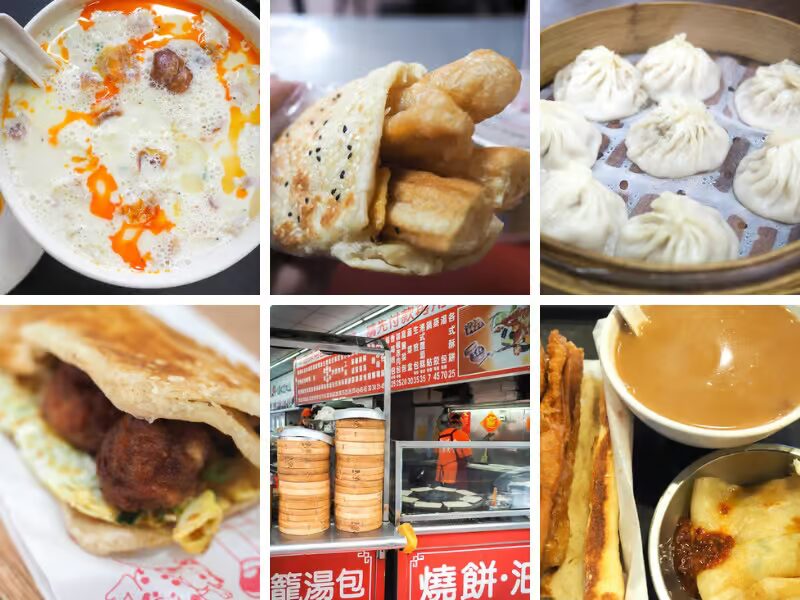
The core supplies delivered to Taiwan were wheat and soybeans. To push consumption, the government encouraged a shift away from rice-centered eating and toward flour-based foods. Through school lunches and public messaging, wheat products were promoted. The flour-based morning culture that appeared in Taiwan was less a change of preference than an inflow of goods. Flatbreads were baked, steamed buns rose in baskets, and at the same time soybeans were pressed into soy milk.
The transformation of breakfast culture began together with food aid.
Yonghe as a breakfast system
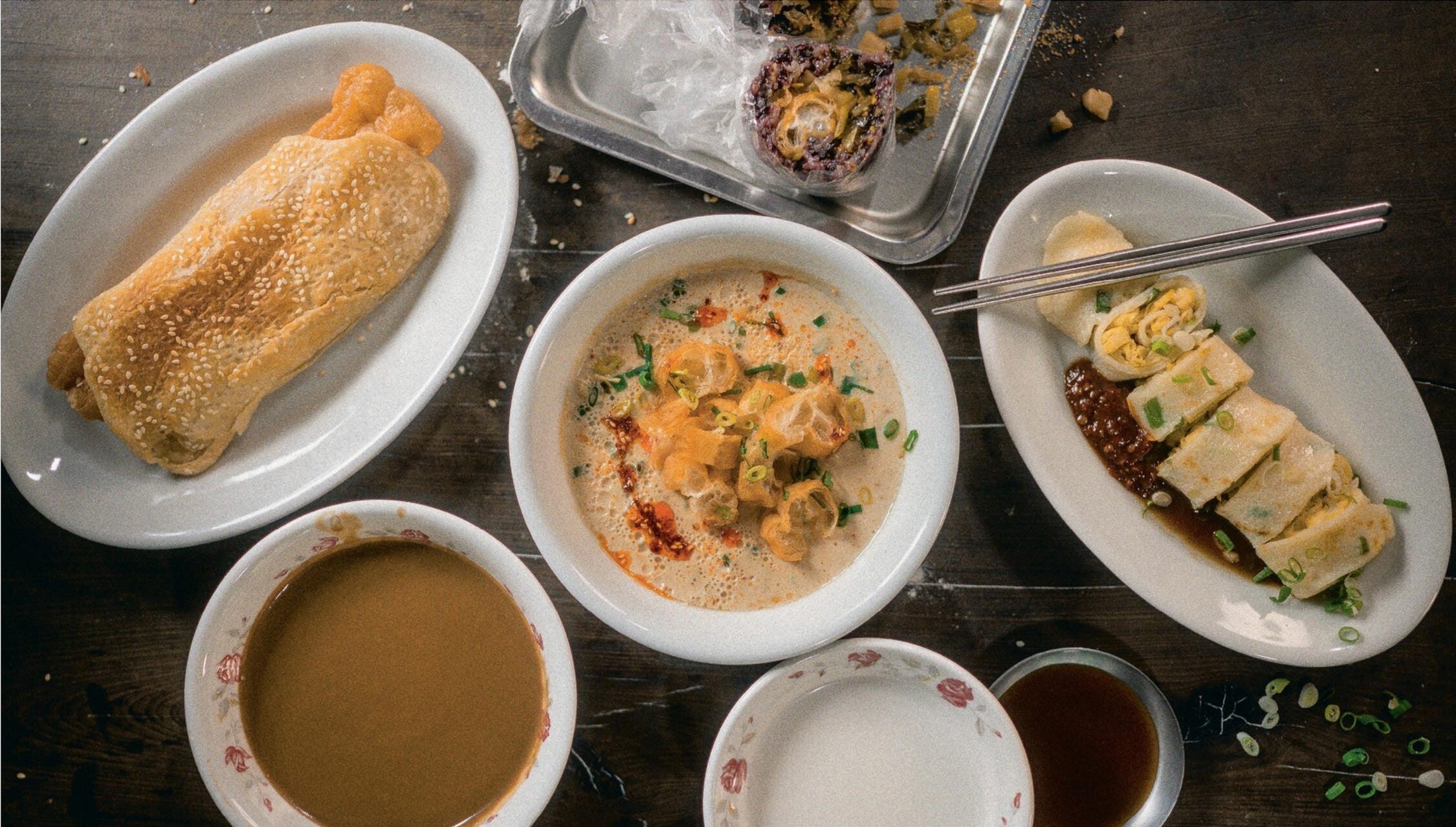
South of Taipei lies Yonghe, a satellite city facing the capital across a river. Rent was relatively cheap, and access to the center was easy. Many retired soldiers and their families settled there.
They needed a way to make a living. What they could obtain more easily, through rations and aid, was wheat and soybeans. Wheat was kneaded into flatbreads. Soybeans were ground and pressed into soy milk. These two came to sit side by side because of the constraints of ingredients. It was not necessarily a standard pairing on the Chinese mainland.
But within the limited space of Yonghe, the combination stabilized as a breakfast set that was cheap, filling, and easy to produce. Reputation then spread. People began to say that in Yonghe, soy milk and flatbreads were good. The place name began to carry meaning beyond geography.
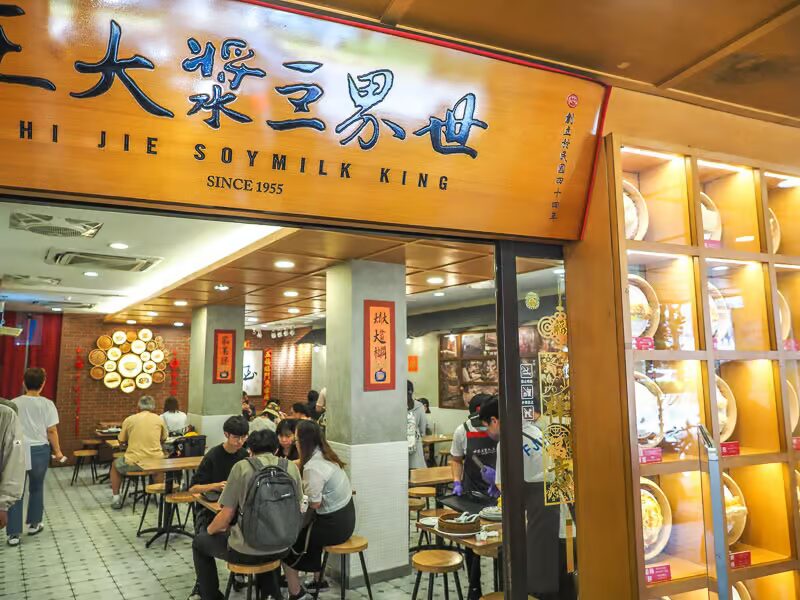
Signs reading Yonghe Doujiang that appear across Taiwan are not a unified chain. They are simply names displayed as marks of respect and imitation toward this style of breakfast. The morning pairing of wheat and soybeans spread from here to the island as a whole.
A habit that did not disappear in prosperity
More than seventy years have passed since then. Taiwan went through high growth and became a prosperous society. Refrigerators entered homes, and distribution networks reached into every corner. It stopped being an era defined by nutritional shortage.
Reasons that once might have applied no longer hold. It is no longer accurate to say people drink soy milk because they are poor, or they use soybeans because they keep well. And yet it has not vanished from the morning streets.
Young people drink lattes in cafés and, on other days, choose soy milk at breakfast shops. A habit that began as imported supplies remains, without strain, even after wealth arrived. The question remains. Why was this one culture not let go?
Explanations that do not end with the absence of milk
There is a familiar explanation. Milk is expensive in Taiwan. In a subtropical climate, dairy costs are higher, and milk more easily becomes a luxury compared to Japan. Another explanation is physiological. Lactose intolerance is said to be common, and many people feel unwell after drinking milk.
But that does not fully explain it. If the goal were simply to avoid milk, tea or fruit juice could have substituted. Even so, Taiwan’s mornings kept choosing soy milk.
A passive reason like milk is expensive, so people had no choice does not seem sufficient to sustain a culture this large for seventy years. Something more basic than price or physiology appears to be present.
A global pattern of grain and legumes
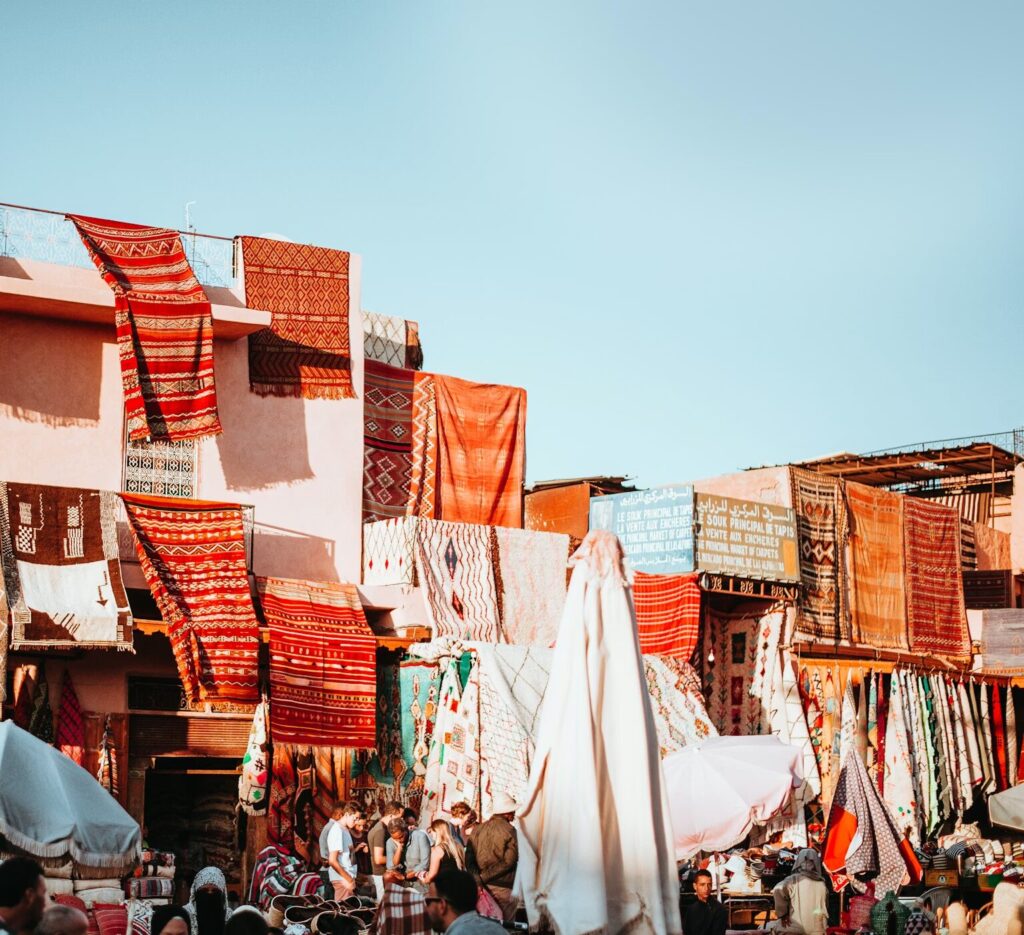
If one steps back and looks at the pairing of flatbread and soy milk in a Taiwanese breakfast shop, it does not appear isolated when placed on a world map. In the Middle East, wheat-baked pita is spread with hummus made from crushed chickpeas, or filled with falafel, a chickpea croquette. In India, chapati or roti sits beside dal, lentils simmered into a thick accompaniment. In Britain, there is a morning scene where sweetened baked beans sit on toast. In Latin America, tortillas are spread with frijoles, a bean paste.
Regions, religions, and climates differ, but the structure looks similar. A grain staple is accompanied by beans. These are not meals designed by someone trained in nutrition. They are combinations that settled over long time as a result of filling the stomach, supporting the body, and surviving.
The pairing seen in Taiwan seems to sit on that same line.
The barrel of amino acids and the shortest plank
Why grain and beans. One older agricultural idea is often used to explain it. Liebig’s law of the minimum, sometimes called the barrel theory.
A wooden barrel can only hold water up to the height of its shortest plank. Nutrition can be described similarly. If one element is extremely lacking, the function of the whole is limited. Wheat is an excellent energy source, but it contains very little lysine, one essential amino acid. It resembles a barrel with one plank cut too short. No matter how much wheat is eaten, it becomes difficult to synthesize sufficient protein in the body.
Then beans enter. Soybeans contain abundant lysine. The short plank is reinforced, and the water level rises at once. But legumes have their own weaknesses. They tend to be low in methionine and are not complete on their own. Eating wheat and soybeans together allows each to cover the other’s missing parts. As a result, the body can form a quality of protein closer to meat.
Drinking soy milk together with flatbread was likely less about taste preference and more about a calculation for survival. In an era when meat was not sufficiently available, people were simply selecting, without formal awareness, a highly rational combination.
Soybeans layered onto a rice island
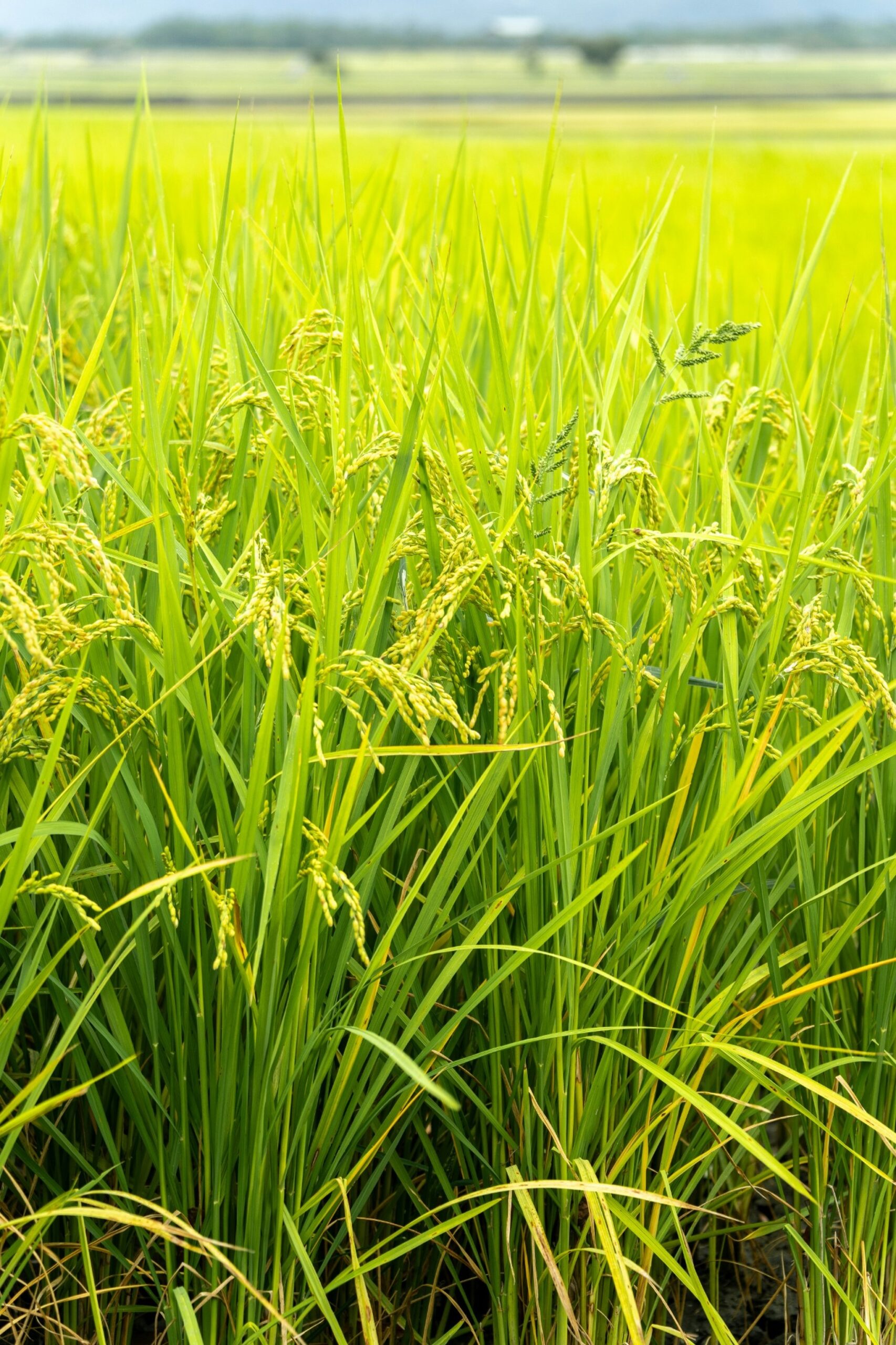
Up to this point, the focus has been on wheat, yet Taiwan is also a rice island. The rice eaten daily in Taiwan is Horai rice introduced during the Japanese colonial period, a japonica variety. It is sticky, aromatic, and regarded as good in taste.
But nutritionally, there is still a weakness. Not as severe as wheat, but lysine tends to be lacking here as well. The structure resembles the Japanese table. Rice sits next to miso soup or natto. Both are soy products, serving to supplement lysine. This is less tradition than the outcome of a survival strategy.
The same pattern appears in Taiwan. In the morning, wheat and soy milk. At lunch or dinner, Horai rice and soy products such as dougan. Within a single day, there is a double structure in which grains are supplemented by soybeans.
Why a soy milk empire did not form in Southeast Asia
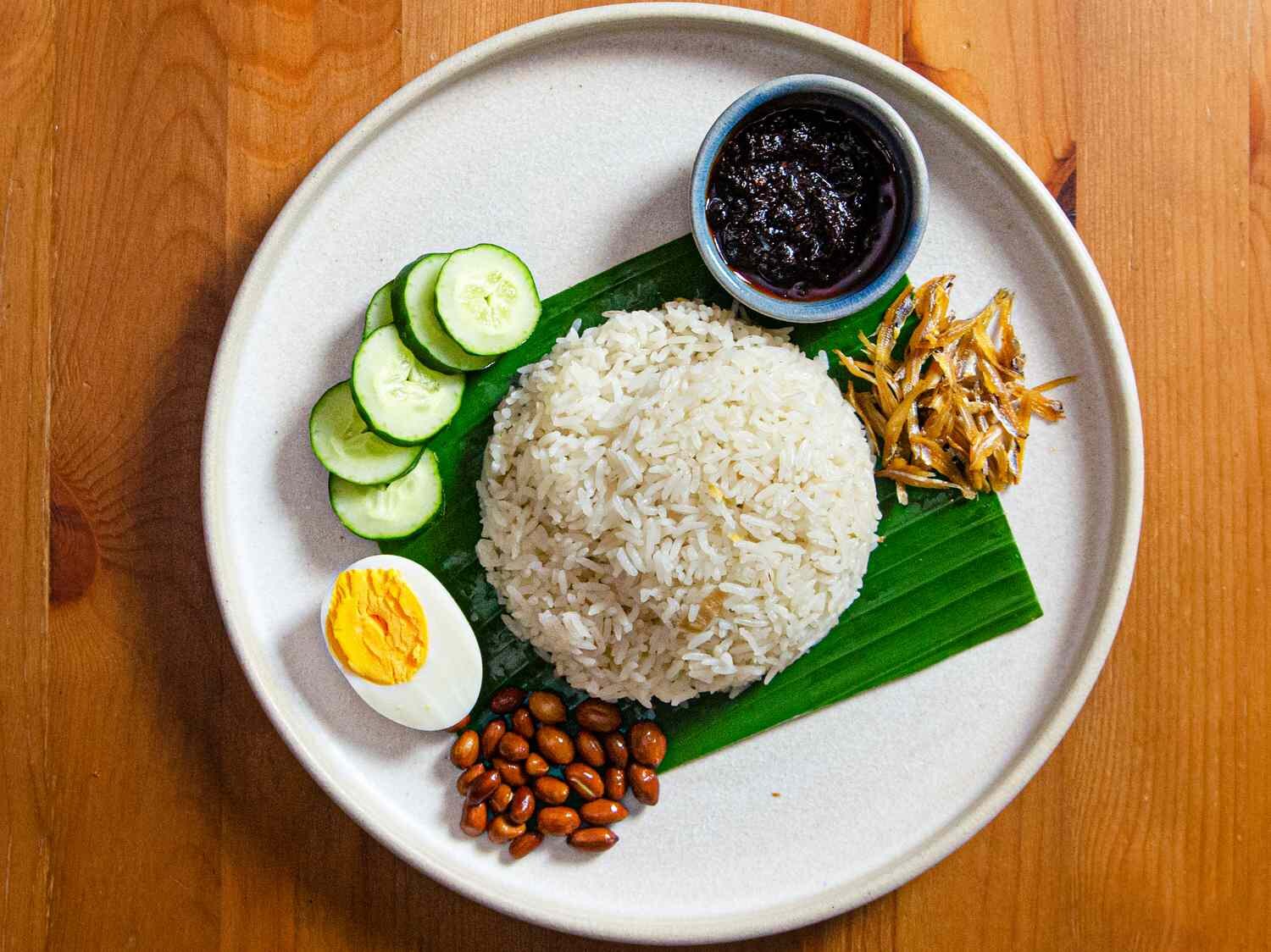
Even within rice-eating regions, Thailand and Vietnam do not have a dominant culture of drinking soy milk in the morning. Street stalls tend to center on rice noodles or porridge, and scenes where soy milk becomes the core are less common.
One difference lies in rice varieties. Their staple is often indica rice, long-grain and less sticky. Indica is sometimes described as having a relatively better amino acid balance than japonica, with a slightly less severe lysine shortage, reducing the need for urgent supplementation through beans. There were also environments where fish sauce and seafood could naturally supply protein.
In other words, in societies where the grain alone could function to a degree, soy milk as an auxiliary device may not have become essential.
Taiwan was different. Wheat flowed in from the north, and japonica rice took root under Japan’s influence. Both were grains that tended to need soybeans. Two shortages overlapped on this island, and soy milk became everyday as the material used to fill the gap.
A cup as an imported survival strategy
In a Taiwanese breakfast shop, biting into flatbread and washing it down with soy milk is not merely having a drink. American soybeans, northern wheat culture, Japanese-derived rice culture, and the amino acid structure demanded by the human body overlap within that act.
The white liquid looks simple. Behind it, geopolitics and nutrition intertwine. Why did an island that does not grow soybeans become a soy milk empire. It was not preference, but a combination selected in order to survive.
A cup held in plastic can look like a patch material the island kept bringing in from outside, used to repair the gaps of daily food. Steam rises and dissolves into the morning street. It looks like Taiwan’s modern history continuing to circulate into the present.