AShanghai Xiaolongbao That Drifted, Settled, and Became Taipei’s Icon
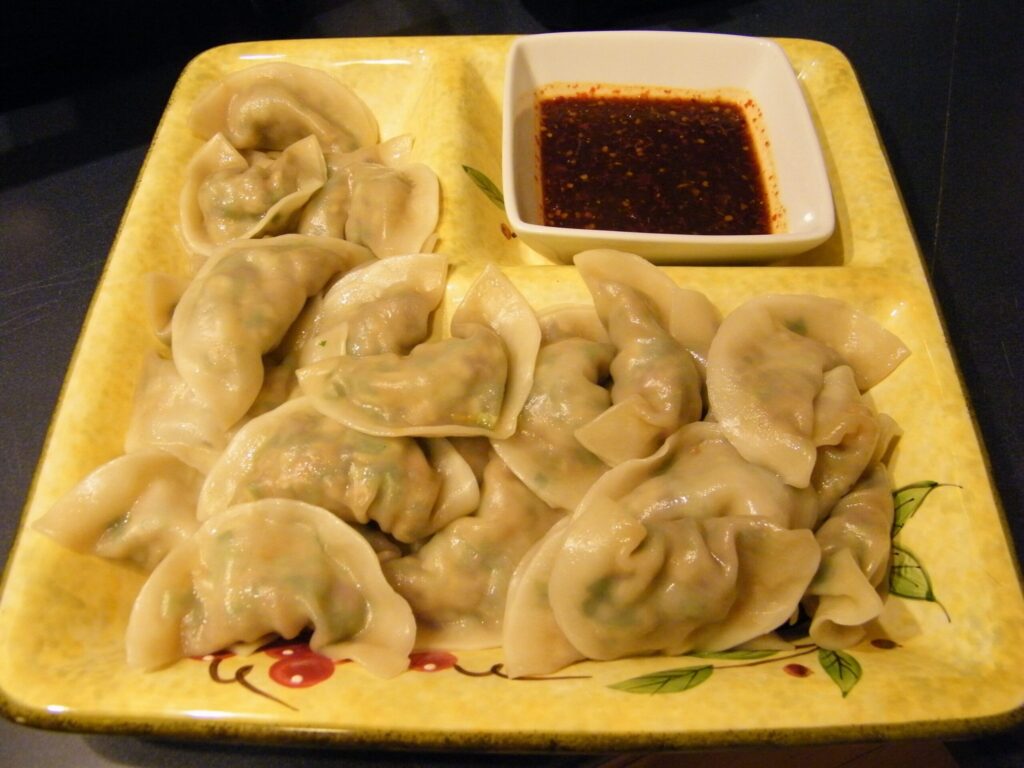
Pork soup dumplings, known once as xiaolongbao, appear too often in travel guides.
Din Tai Fung.
Airport food courts.
Department store restaurant floors.
Overseas branches.
They are everywhere.
And because they are everywhere, their outline has blurred.
People keep talking about thin wrappers, the amount of broth, and small differences between shops.
Less often do they stop to ask where this dish came from, and what kind of time allowed it to remain.
Many people now read it as Taiwanese food.
But its origin is usually traced to Nanxiang, near Shanghai.
Why did an island across the sea come to be treated as its center.
Behind that shift, there was a large movement in 1949, and a long accumulation of refinement inside Taipei.
Steam disappears quickly.
The time underneath it stays longer.

Nanxiang as a starting point
The source of this dish is often placed in Nanxiang, outside Shanghai.
The technique of sealing broth inside steamed dough is usually discussed as one branch of tangbao, a broader category of soup-filled buns.
What matters here is structure.
This is not a smaller meat bun.
It is a container designed to hold liquid.
To keep broth inside, the wrapper thickness, the sealing, and the steaming time must all align.
Nanxiang’s dim sum kitchens solved that contradiction through practice.
Later, the same structure would be carried elsewhere, and made to carry different meanings.
1949, Jiangnan flavors crossing the sea
After the war, many people moved from mainland China to Taiwan.
As the Chinese Civil War ended, the Kuomintang government retreated, and an estimated one to two million mainlanders arrived.
Taipei became the place that absorbed them.
Among those close to politics and business were many from Shanghai and the Jiangnan region, including Zhejiang.
Taste followed the same direction.
It is not unrelated that areas like Yongkang Street and the neighborhoods around Xinyi Road later came to be described as Taipei’s food districts.
Mainland officials and educated families lived there, and they needed familiar flavors.
At first, these xiaolongbao were not everyday food for Taiwan’s broader public.
They were closer to comfort food for people living away from home.
Before it became a “Taiwan specialty,” it functioned as a vessel for migrant nostalgia.
That changes the temperature of the starting point.
Street stalls as a route of diffusion
When migrants increase, ways to make a living also increase.
Retired soldiers and people who lost work often chose flour-based food because it could be started quickly.
Noodles and buns are typical examples.
As stalls and small eateries multiplied, dim sum moved from “special food” to “street-corner food.”
This dish followed the same route.
Taiwan’s environment then altered the taste.
Heat and humidity shape preferences.
Compared to Shanghai’s heavier use of oil, a lighter direction is easier to settle into.
Pork and scallions were replaced by local versions, and without anyone announcing it, the flavor leaned toward Taiwan.
At this stage, it was not yet a finished form.
It was simply becoming part of the city, preparing to stay.

The way the name remained: xiaolong tangbao
In Taiwan, the term xiaolong tangbao still appears.
It keeps the idea of the broth as soup, preserved inside the name.
Meanwhile, the wider settling of the shorter name is hard to separate from one shop.
Din Tai Fung.
Names do not belong only to food.
They are pulled by what a city chooses to remember.
People simplify words around the symbols they keep.
In daily conversation, the shorter name is enough.
It does not seem necessary to add more meaning.
1972, an oil shop changes direction
In 1972, Din Tai Fung appears.
It began as a shop selling cooking oil by measure.
As that business declined, it looked for a way to survive.
It turned toward Shanghai-style dim sum.
This shift was not only a story of a successful restaurant.
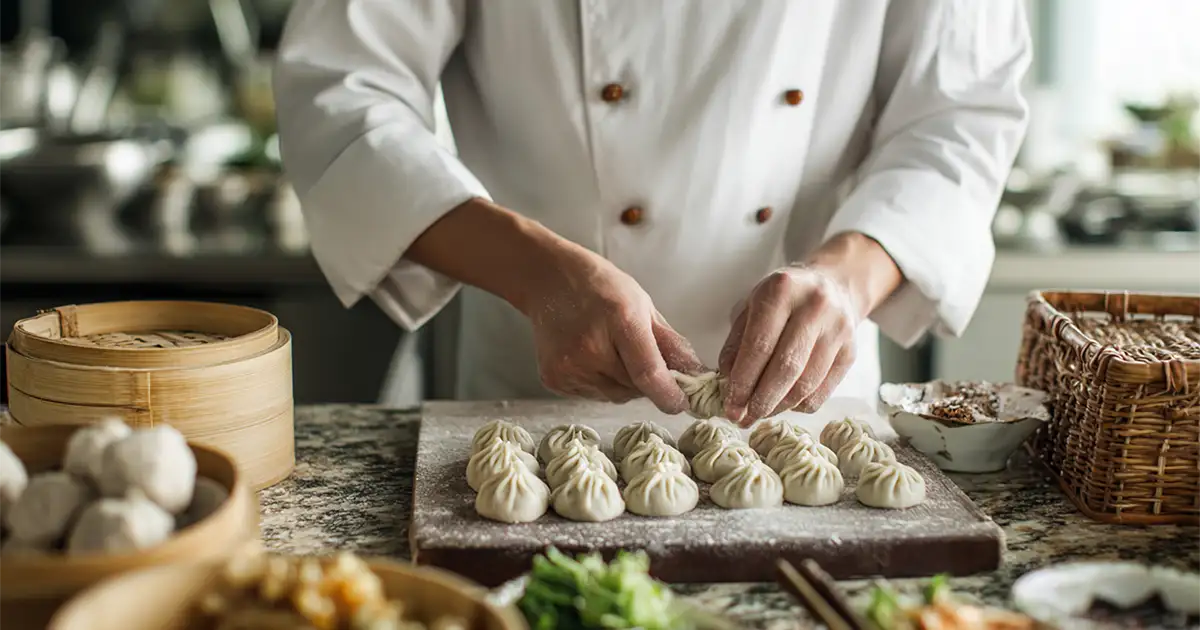
It moved the xiaolongbao from craft guided by intuition toward a technique that could be reproduced.
Wrapper 5 grams.
Filling 16 grams.
Eighteen pleats.
These numbers are not just anecdotes.
They read like product design language.
Taste memory was no longer left only to the hands of a single skilled worker.
The goal became consistency, so that anyone could produce a similar experience.
As a result, the xiaolongbao moved away from being a bun that fills the stomach.
It moved closer to a small craft object built to be tasted as soup.
At this point, Taiwan’s version was no longer the same as Shanghai’s.
It kept the name, but entered a different line of evolution.
A Taiwanese “face” fixed through Japan
The dish became fixed as a representative of Taiwan not only through domestic reputation.
It gained a clearer outline by going abroad.
From the 1990s onward, Din Tai Fung expanded overseas.
In Japan, the Shinjuku opening in 1996 is often treated as a turning point.
The boom that followed strengthened the idea that “Taiwan means xiaolongbao.”
That image then returned to Taiwan.
Tourists began to arrive with the xiaolongbao as a destination.
More shops appeared across the city.
Department stores.
Tourist districts.
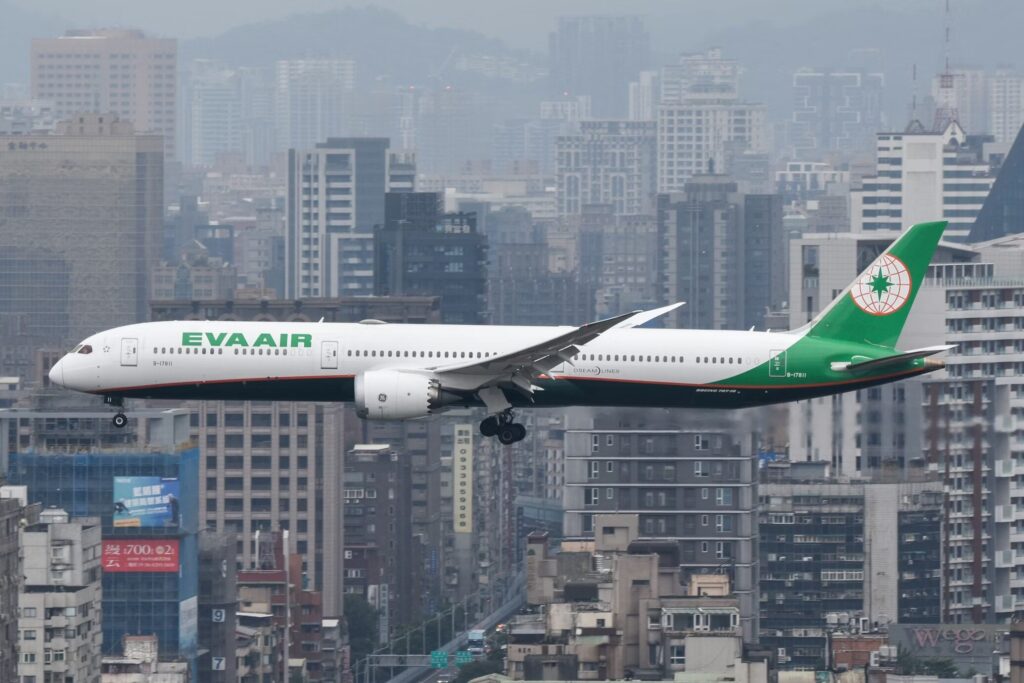
Airports.
The places where the dish was installed multiplied.
It began to resemble an icon of the city more than a simple food.
Two layers in the present
Today, two styles exist side by side.
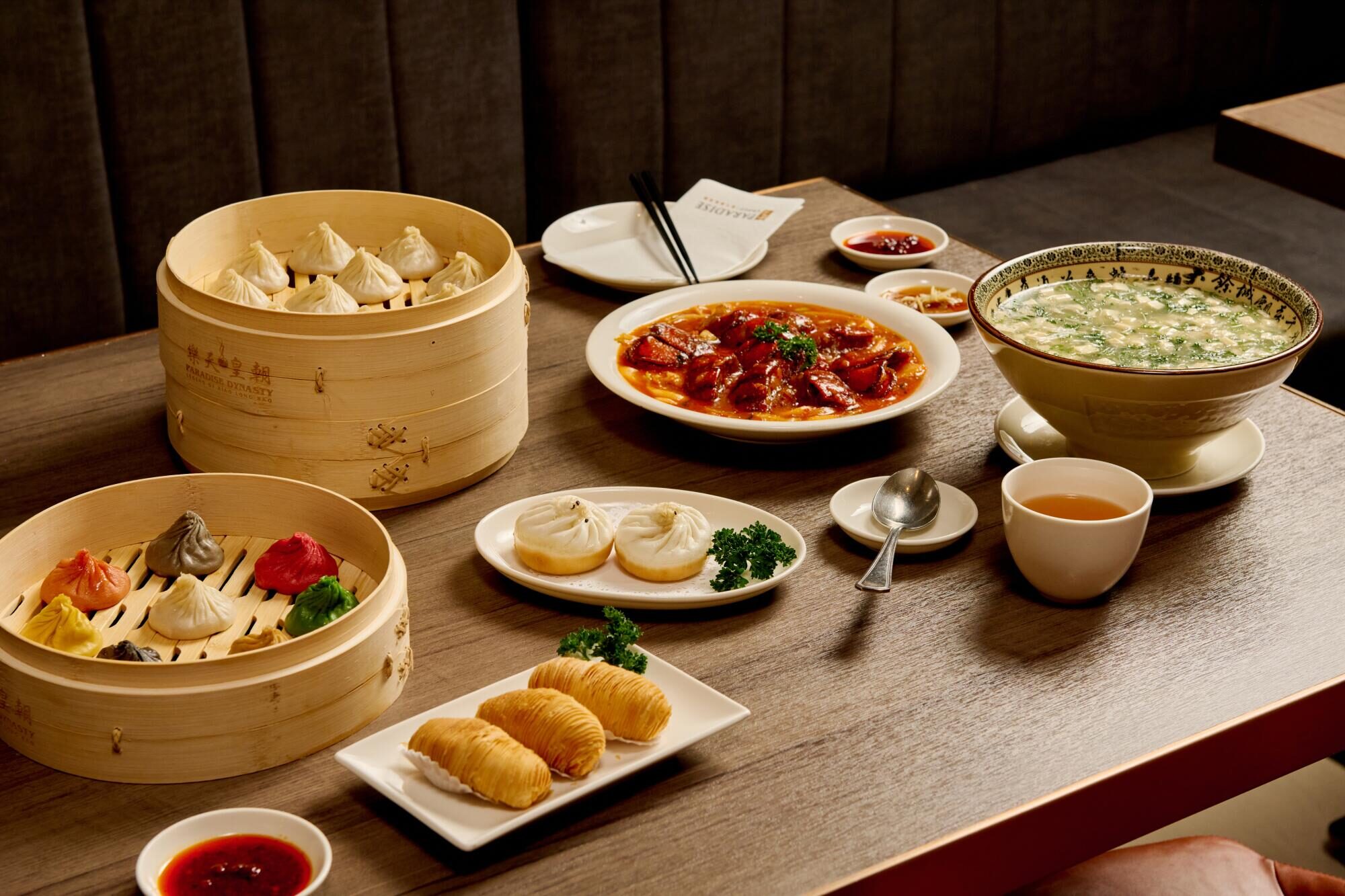
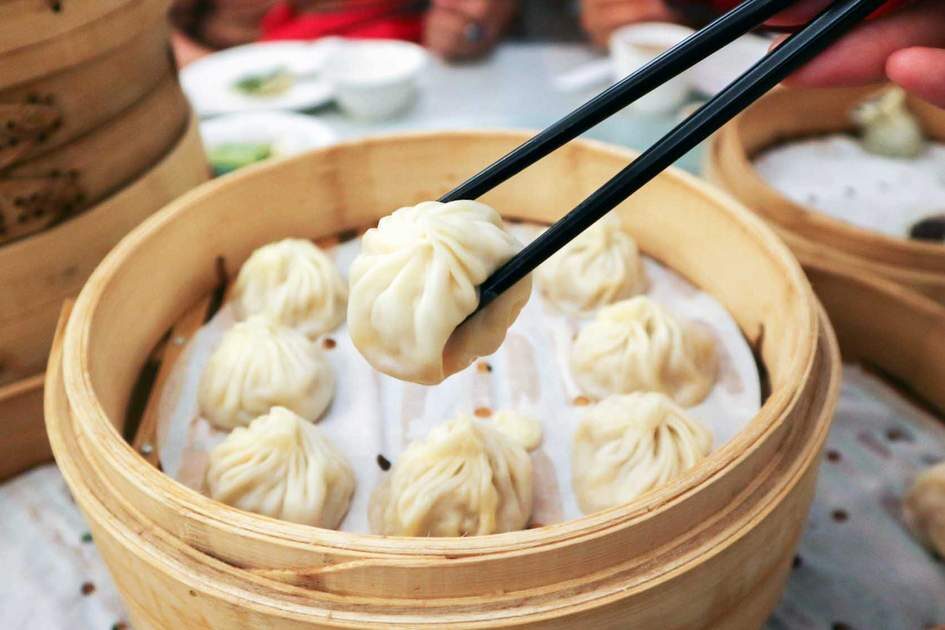
One is the restaurant style, represented by Din Tai Fung and Dian Shui Lou.
Very thin wrappers.
Uniform shapes.
A controlled experience of heat and time.
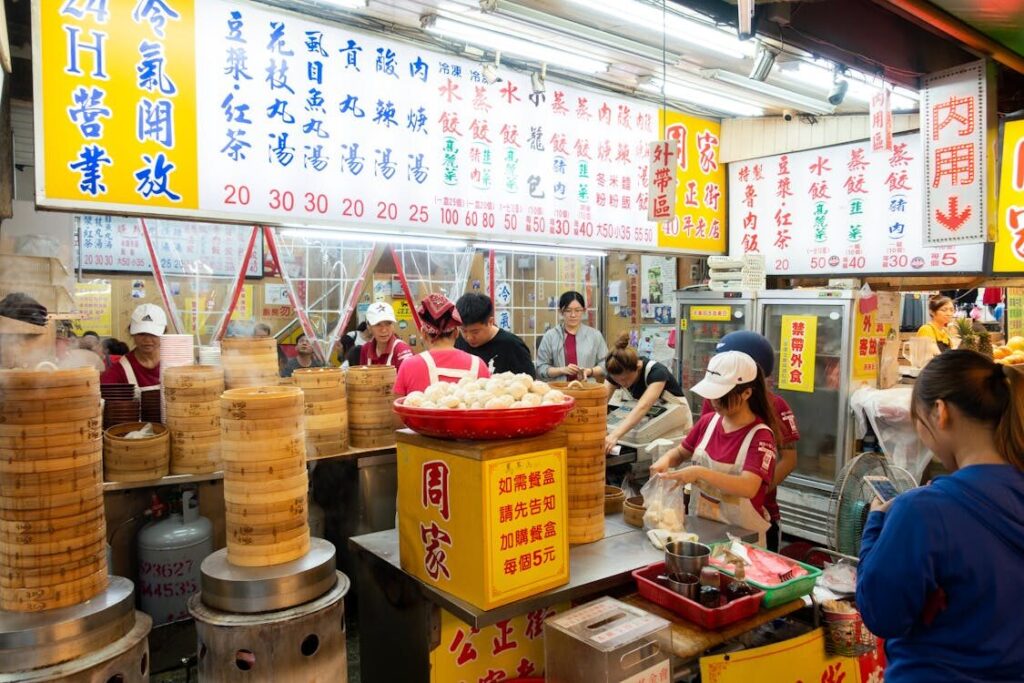
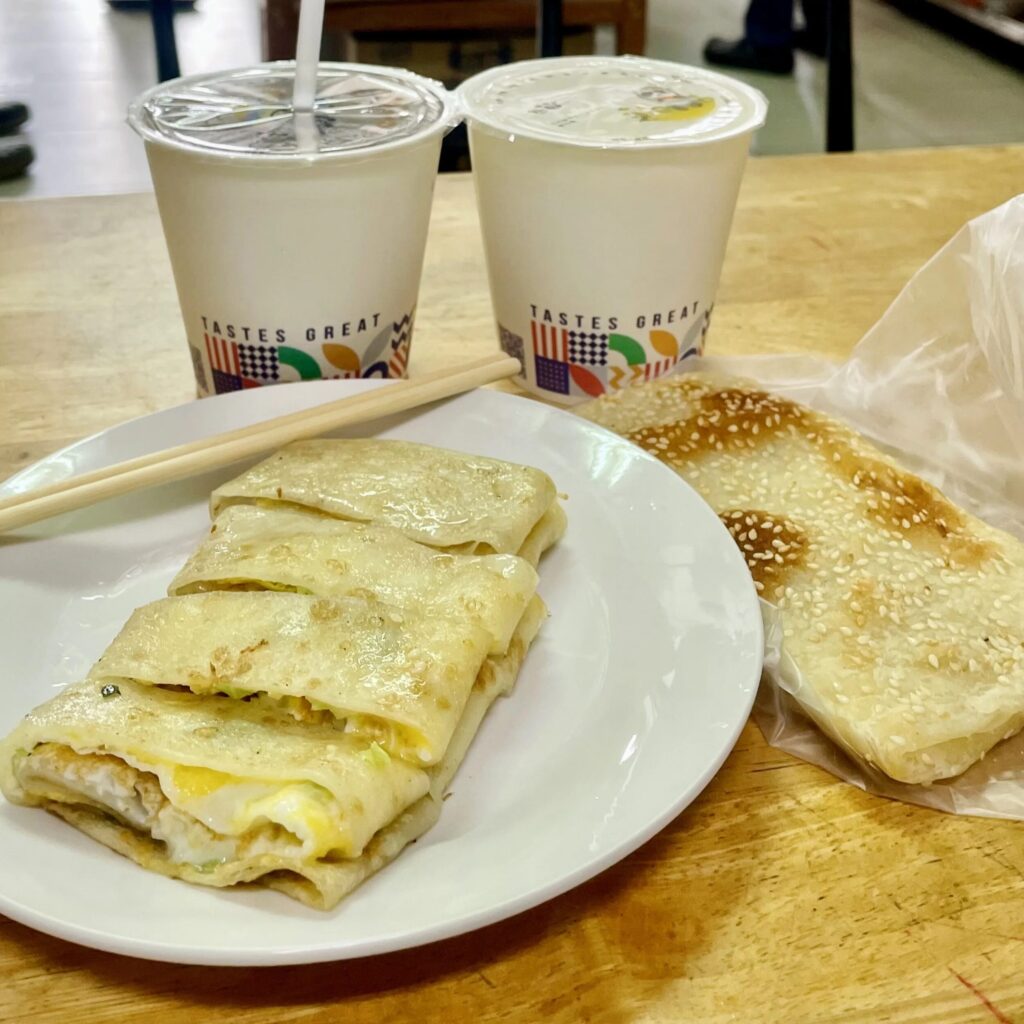
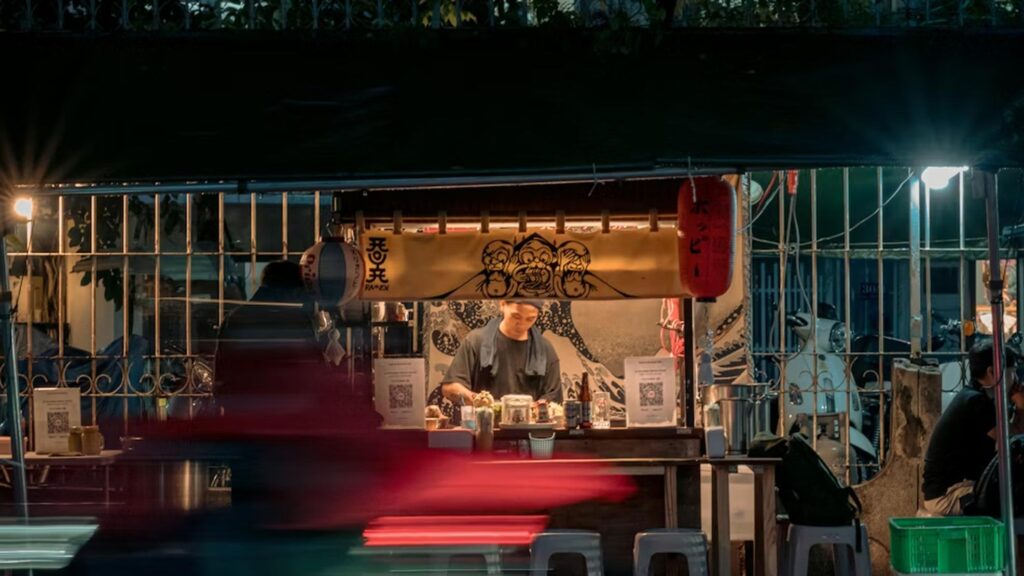
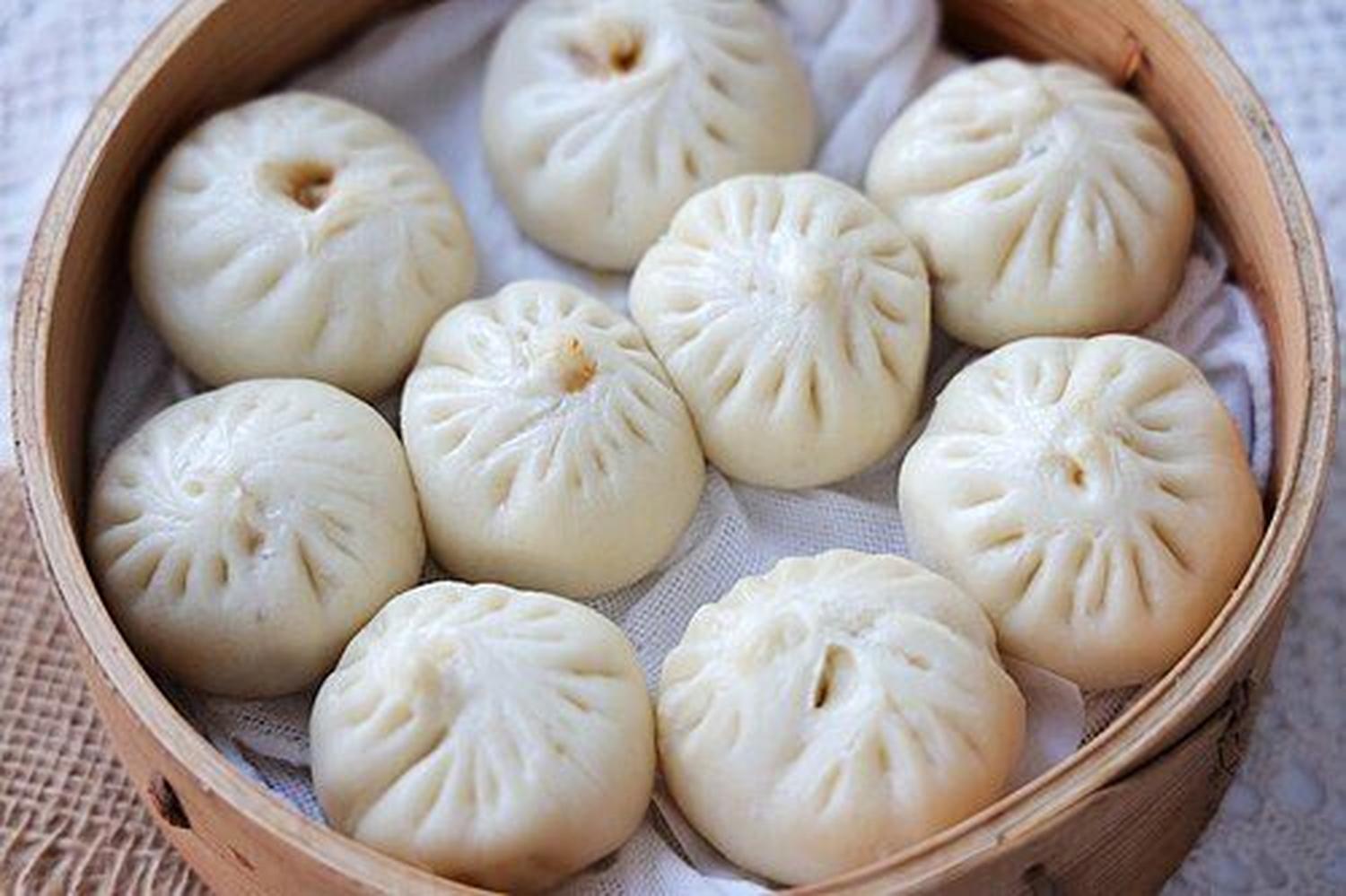
The other is the street-corner style found in breakfast shops and night markets.
The wrapper is thicker.
Some versions lean toward fermented dough, closer to small meat buns.
There is steam, but there is no ritual.
Visitors often aim for the first.
But the second may be what supports daily life for more people.
This layered structure suggests that the xiaolongbao did not remain an imported dish.
It rooted itself inside Taiwan’s routines.
Even with the same name, the time inside is different.
The bamboo steamers sit differently.
The faces of the customers are different.
It is not that the dish split in two.
It is that the city began to move at two speeds.
What remains in the steamer
This dish contains postwar movement.
Urbanization.
The growth of tourism.
And nostalgia.
It is not common for one food to hold so much time at once.
Steam disappears quickly.
The wrapper and the broth vanish in a moment.
Still, inside a small bamboo steamer, time that arrived, mixed, and was refined remains faintly absorbed.
The xiaolongbao is only one cross-section of that process.
Touching it makes Taipei’s depth slightly easier to see.