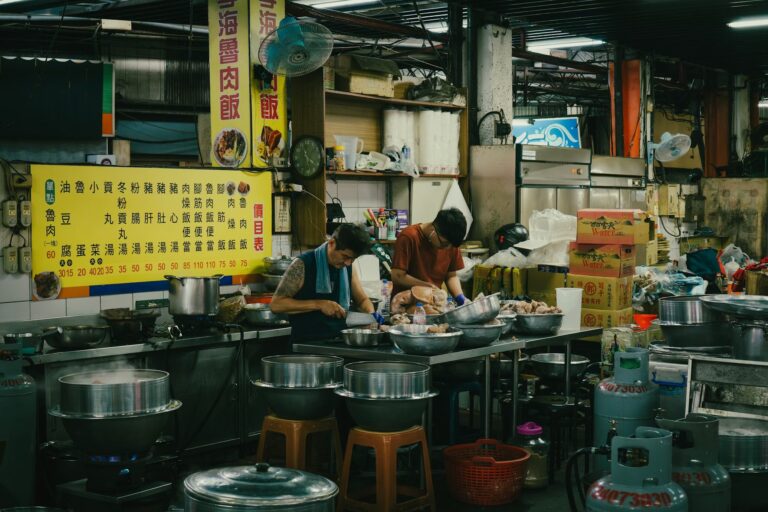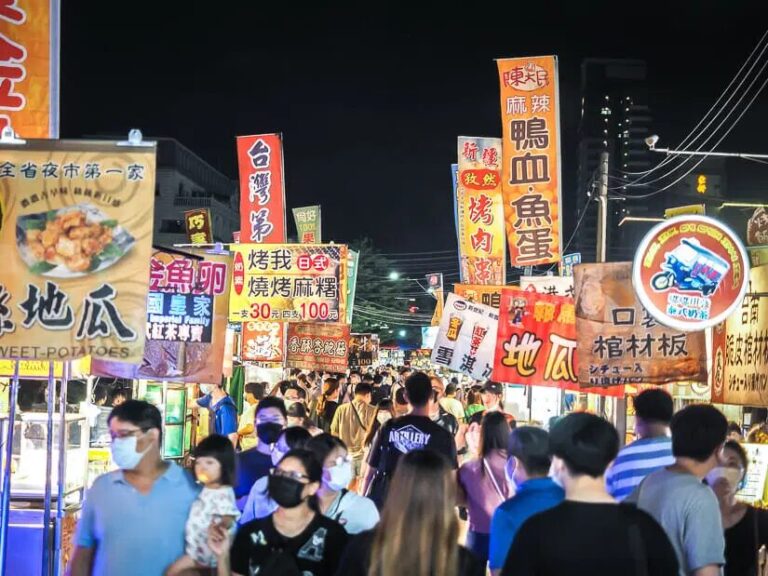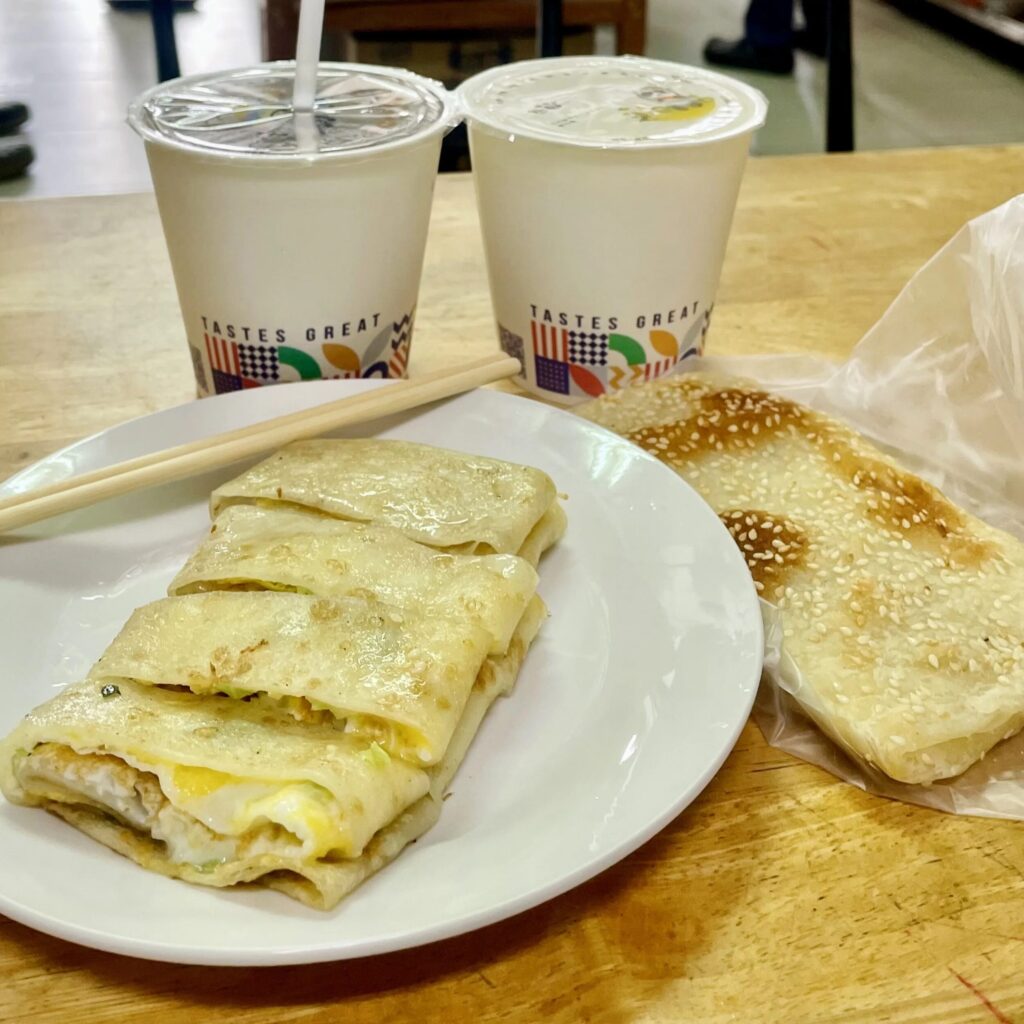
Before sunrise, red-and-yellow signs glow above small breakfast shops while eggs, buns, and thin patties meet the same broad griddle. Several of these places bear the name Mei & Mei, though the sign does not always point to the same business.
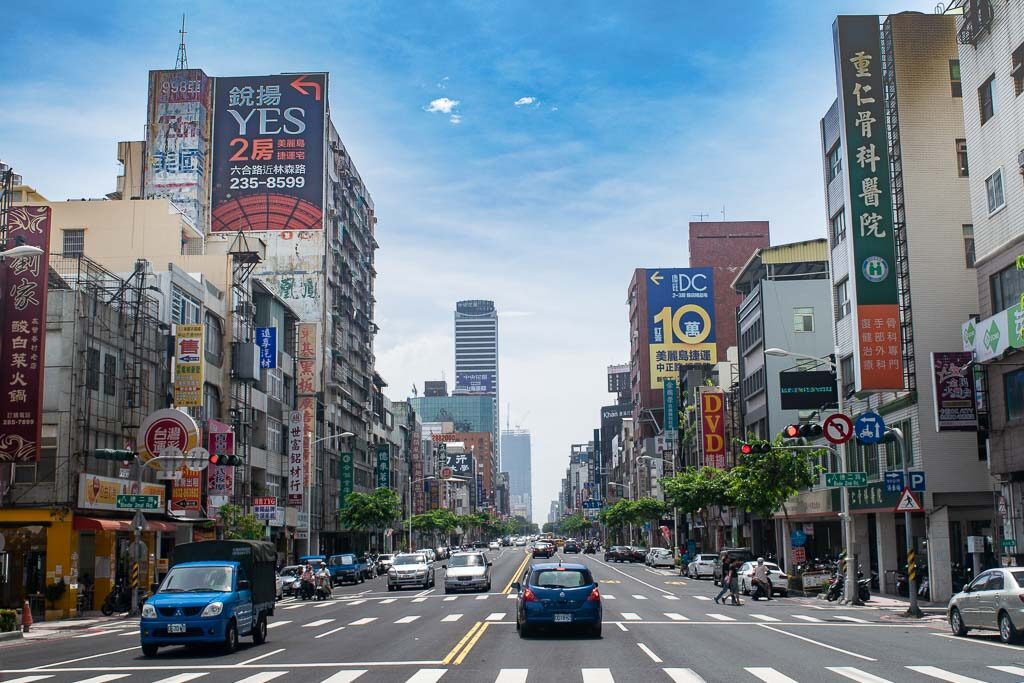
I walk through a residential district in Taiwan.
Many shops still have their shutters down, yet a few are already glowing.
A bright sign in red and yellow reads Mei & Mei.
Sometimes the name is slightly longer, with other characters attached.
From inside comes the sound of a griddle.
Eggs are cracked, bread is toasted, and the smell of oil drifts outward.
This shop has entered Taiwanese daily life more quietly, and perhaps more deeply, than McDonald’s.
Yet explaining what it is proves slightly difficult.
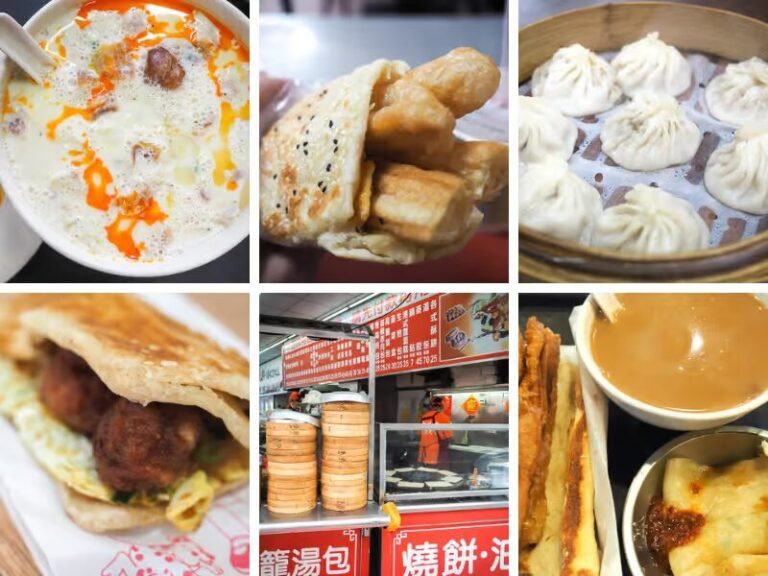
There was a time when breakfast here meant porridge or soy milk.
Within a few years, one name began to rewrite that scene.
Mei & Mei.
Both a shop name and a record of change.
The era of porridge and soy milk
Until the 1980s, breakfast choices did not vary much.
At home, one ate rice porridge with small side dishes.
Outside, soy milk with baked flatbread and fried dough was common.
Warm, inexpensive, filling.
Enough for a body preparing to work.
Hamburgers and sandwiches existed, but they belonged to the West.
They were expensive and somewhat distant from everyday life.
Not something one expected to eat each morning.
Yet inside that distance was a gap.
A market no one had fully occupied.

A truck driver notices the gap
In 1981, a former truck driver named Lin Kun-bin opened a small street stall in Taipei.
His idea was simple.
Serve Western flavors at Taiwanese prices.
Hamburgers, once seen as unattainable, would be affordable to students and laborers.
He negotiated with bakeries to secure inexpensive buns.
The patties were thin, but still tasted of meat.
Luxury was not the goal.
Continuity mattered more.
Breakfast must become a habit, not a treat.
The stall eventually became a shop.
Its name was Mei & Mei.
Sweet mayonnaise as a device of translation
Low prices alone do not move the tongue.
For many Taiwanese at the time, the sharp acidity of American mayonnaise or ketchup felt unfamiliar.
So an adjustment was made.
Sweet mayonnaise, mei nai zi.
Semi-translucent, noticeably gentle.
Made without egg yolk, thickened with vegetable oil, sugar, vinegar, and starch.
Spread generously across toasted buns.
This sweet and salty layer transformed the hamburger into something else.
Less a copy than a translation.
The American hamburger became the Taiwanese hanbao.
When flavors cross borders, they seem to change shape slightly.
The menu begins to shift
As these shops spread, breakfast menus began to move.
Hanbao.
Sandwiches.
They appeared beside egg crepes, danbing.
Meals once reserved for special occasions became everyday options.
Whether this was a lowering or a raising of status is unclear.
What is certain is that the distance narrowed.
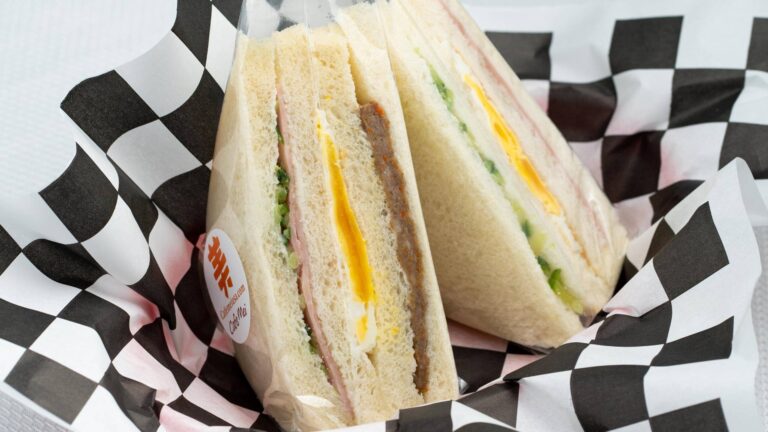
Another change unfolded in the kitchen.
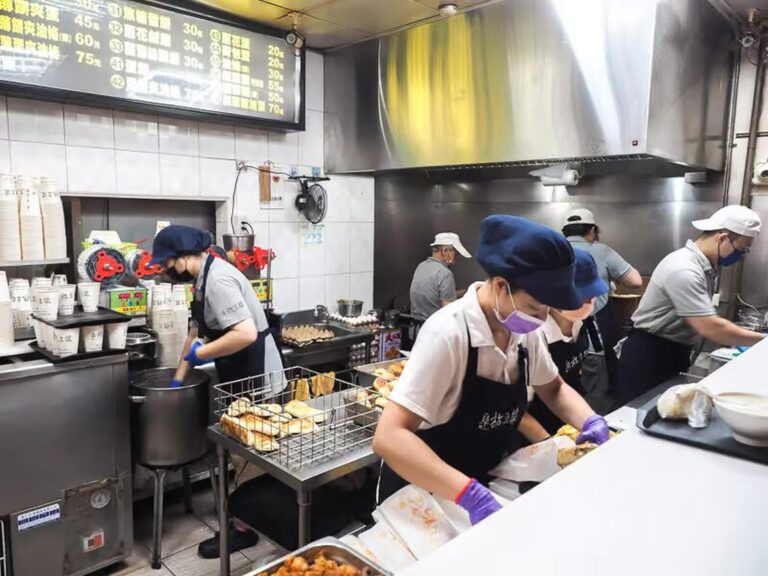
A large griddle.
Bread, patties, eggs — all cooked on one surface.
A rational system.
This mechanism became the prototype for the later “anything goes” breakfast shop.
Different dishes prepared at the same time, in the same place.
Morning scenery grew slightly more complex.
When the name multiplies
Success carries its own side effects.
The format proved easy to imitate.
With a griddle and bread, one could begin.
Soon, shops with similar names appeared across Taiwan.
Julin Mei & Mei.
Ruilin Mei & Mei.
Hongye Hamburger.
The original brand attempted trademark protections, but control was never complete.
In time, the red sign became a symbol.
Western-style breakfast.
That alone was enough to communicate.
Gradually, the name drifted away from ownership.
The phenomenon of the ghost chain
These shops resemble chain stores.
In reality, many have no connection at all.
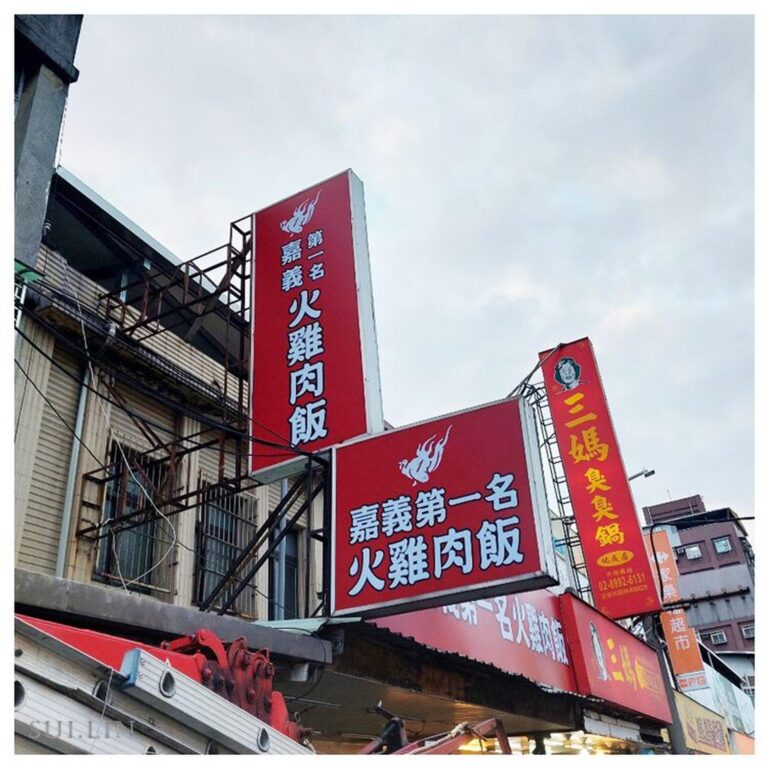
Sometimes they are called ghost chains.
There is no single headquarters.
Yet for customers, this is not especially important.
The sign does not promise corporate structure.
It signals a format of food.
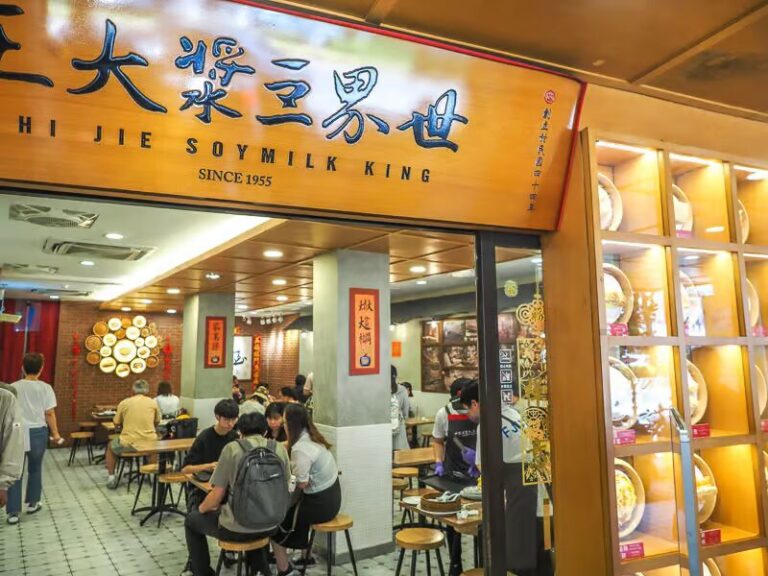
In Taiwan, place names and shop names often function as shared symbols.
Yonghe soy milk.
Chiayi turkey rice.
Wenzhou wontons.
They are not always the originals.
Still, people trust the sign and walk in.
What matters is not origin, but what can be eaten inside.
Names serve as explanation.
Mei & Mei seems to have joined that lineage.
When a brand dissolves into the streets, its borders grow indistinct.
What the sweetness left behind
Today, few people eating a hamburger here would consider it Western food.
It has already become part of the Taiwanese morning.
Sweet mayonnaise.
Soft bread.
The sound of the griddle.
There is a visible curiosity in this history —
a willingness to accept something new and reshape it into a local taste.
I pass a red sign in the morning.
People pause, order, and continue walking.
Nothing about the scene feels unusual.
It simply persists.
The taste of that sweet mayonnaise no longer requires explanation.
— Detour —
a little further to walk
- Notes on Taiwan’s Anything-Goes Breakfast
- Notes on Ghost Chains in Taiwan
- Notes on Taiwan’s Layered Breakfast Streets