Walking along Fuxing South Road without looking for a drink, I pass another small shop at nearly every turn—different colors on the signs, nearly identical spaces beneath them. At the next red light, clear cups appear in a surprising number of hands, lifted between buses, crossings, and errands.
I notice a drink shop at every turn.
Red.
Green.
Yellow.
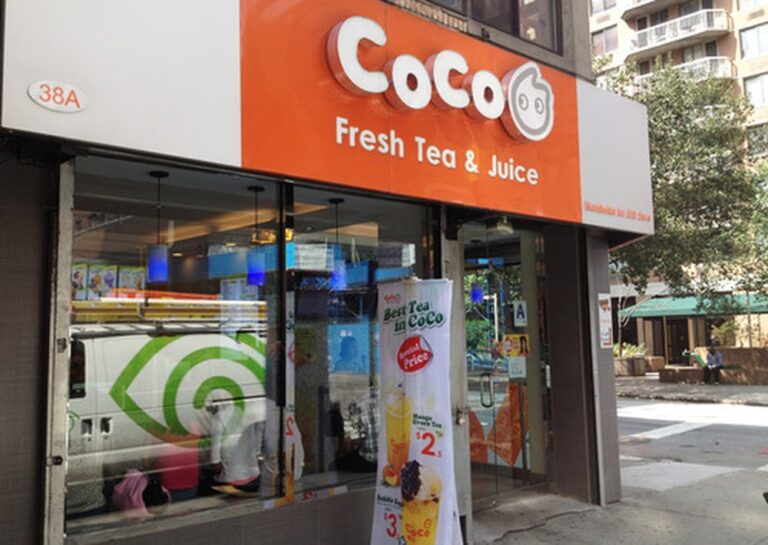
The signs are different, but the places are similar.
A ground-floor space facing the sidewalk.
A sliding door, or a half-open shutter.
One or two people standing in front.
I am not looking for them.
Still, I keep passing another one.
I walk along Fuxing South Road without a destination.
The number of these places begins to feel like a question.
People holding something
At a red light, I look at the hands around me.
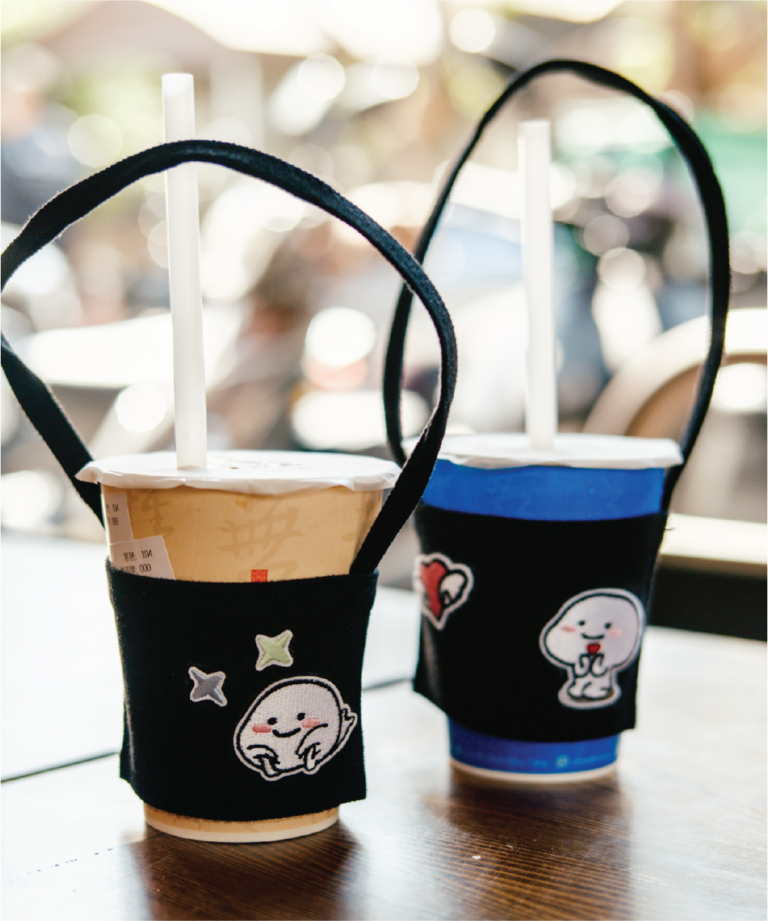
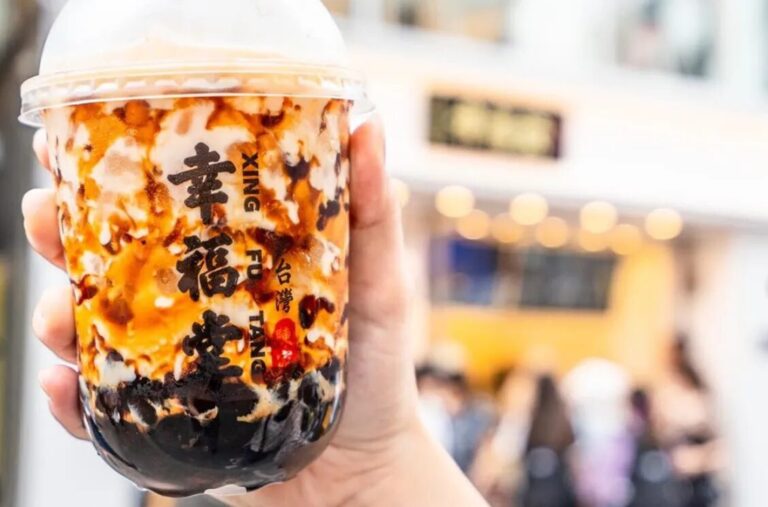
Clear cups.
Ice shifting inside.
A habit of biting a straw.
Perhaps one in three is drinking something.
Few stop to drink.
Most walk, or wait for a bus, and lift the cup as part of moving.
The air is damp.
Even without strong sun, the throat dries after a short walk.
In this climate, liquid moves easily into daily life.
One more cup after lunch
Around noon, people come out of small restaurants.
Two or three eat together.
They do not separate right away.
They cross the street.
The destination is often a drink shop.
Eat.
Buy a cup.
Return to work.
This sequence repeats without ceremony.
Tea is not something prepared at home.
It is something bought on the street.
Drinking seems to belong more to the city than to the house.

A city that leaves small spaces
In the East District, similar-sized shops line the blocks.
Narrow fronts.
Shallow rooms.
Taipei is cut by many small streets.
Foot traffic is divided and slow.
Because the ground floor becomes a shop so easily,
a small business can slip into the gaps.
No fire.
No oil.
Little equipment.
The shape of the city and the lightness of this trade fit together.
Young people behind the counter
I shift my view to the inside.
Behind the counter are usually young workers.
A refrigerator.
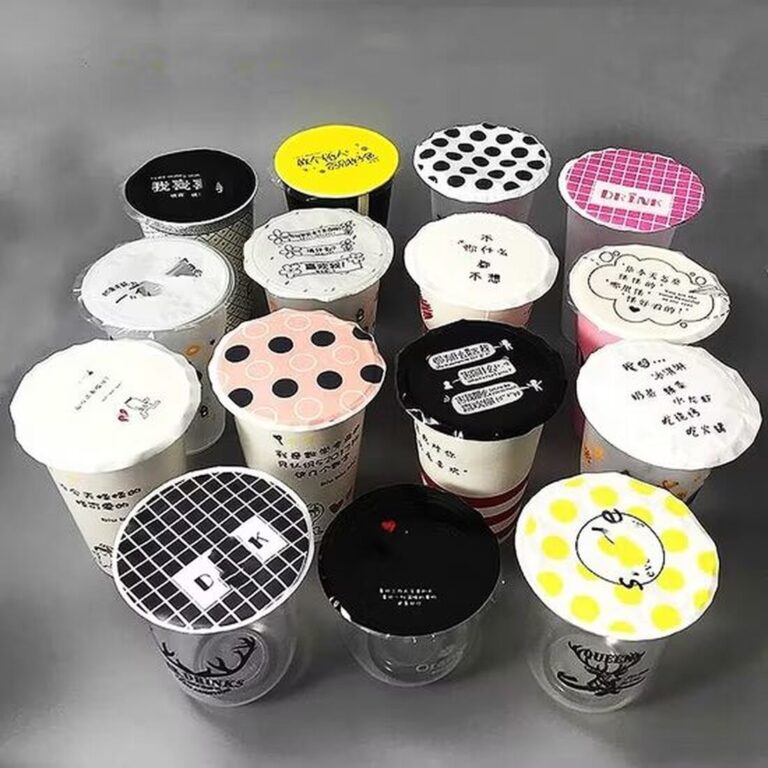
A sealing machine.
Several containers.
The space is tight,
yet it feels like a small lab.
Opening a restaurant is heavy.
This seems lighter.
Easy to begin.
Easy to leave.
New shops appear.
Old ones fade.
The street changes slowly.
A quiet form of independence is visible in the number of signs.
Many small reasons
There is no single cause.
Climate.
Habit.
Urban form.
The energy of people starting something.
Each makes sense.
None explains everything.
Together they produce this dense field of drink shops.
Sounds of opening
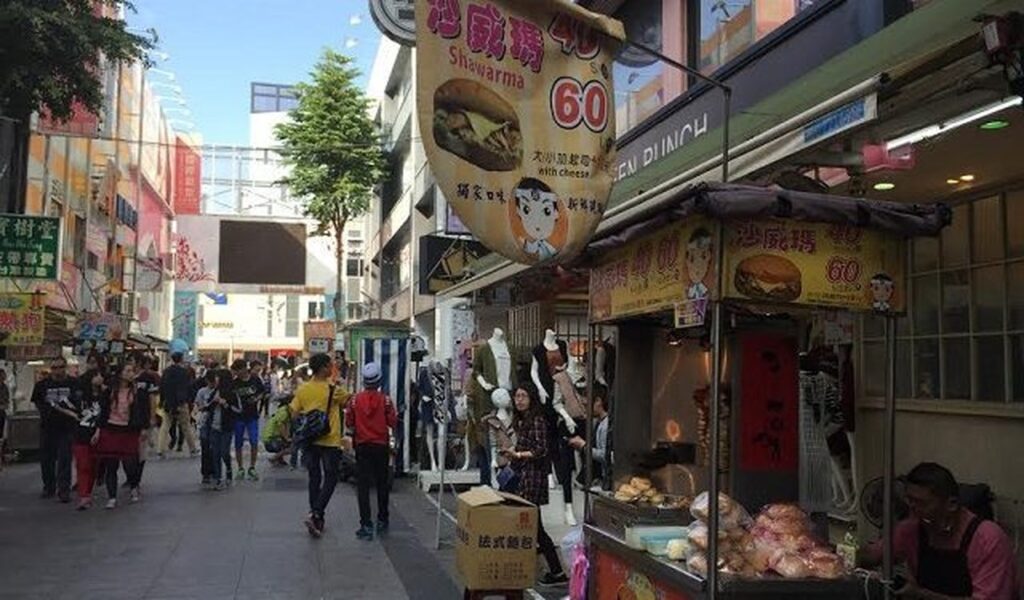
Under the trees on Ren’ai Road,
someone carries a bag of ice to a half-closed storefront.
A dull thud.
The warm smell of a sealing machine.
Another shop is about to open.
These small preparations set the rhythm of the street.
— Detour —
a little further to walk
- Notes on Counting Drink Shops Across Taiwan
- Notes on Drink Holders in Taiwan
- Notes on Sealed Lids in Taiwan