A staple carried from northern kitchens into island daily life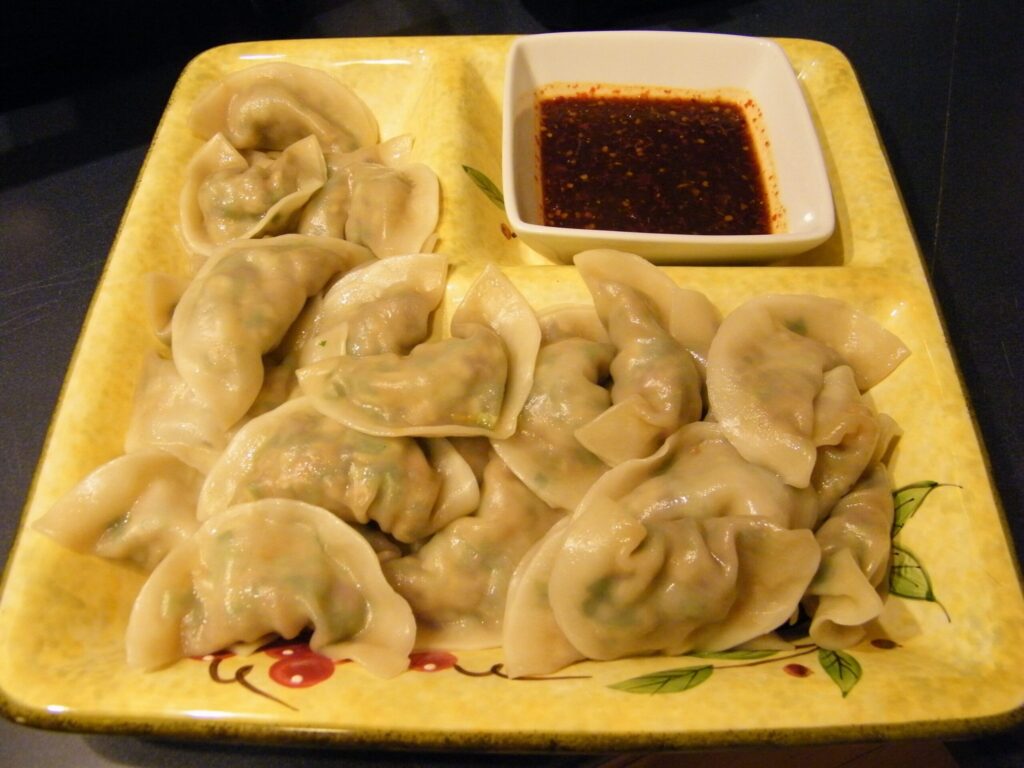
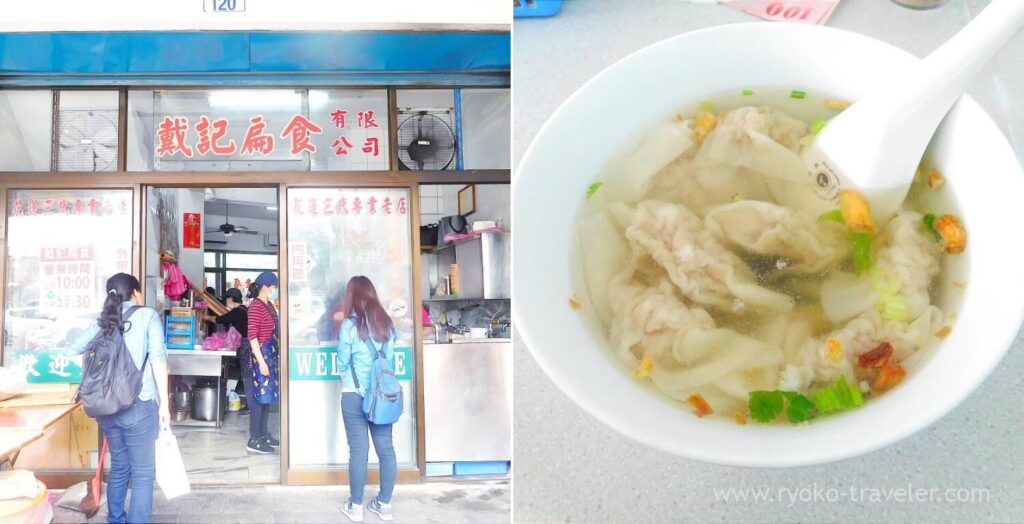
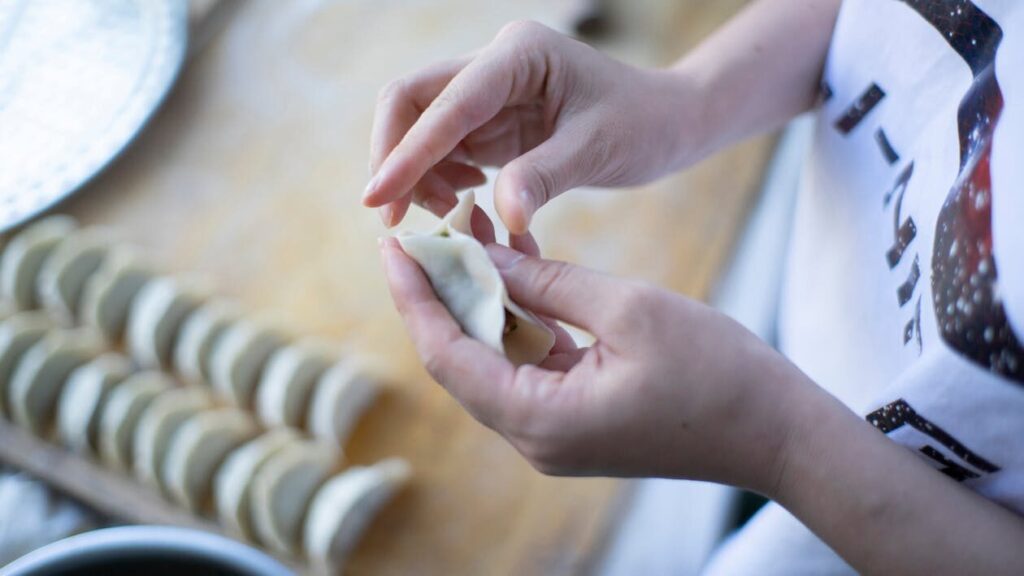
At dusk, when I walk along a market street, red characters reading “shui jiao” appear again and again on shop signs. Through glass windows, families sit around round tables, silently wrapping filling into dough. A mother spreads the skins, a grandmother places the meat, a child pinches the edges into folds. There is little conversation. Only hands continue to move. The finished dumplings are lined up on trays dusted with flour and carried straight into the kitchen. From here begins the ordinary rhythm of the island.
Dumplings in Taiwan
When tourists open guidebooks, the first image they usually see is xiaolongbao. In many Japanese minds, dumplings appear browned and crisp on one side. But when walking through Taiwanese streets, the words on signs narrow almost entirely to a single form. Shui jiao appears in alley restaurants, night market stalls, and delivery menus. Wherever I look, those two characters return.
In Taiwan, when someone says “dumplings,” what comes out is almost always boiled. If one wants pan-fried dumplings, the word guotie must be specified. Xiaolongbao may resemble dumplings, but they are classified as dim sum. They are light meals, indulgences, something slightly distant from everyday sustenance. The dumplings that fill daily stomachs are white, steaming, and rolling across plates as boiled dumplings alone.
The Forbidden Dumplings with Rice
There is a mistake many Japanese visitors make in Taiwanese eateries. They order a plate of boiled dumplings and add a bowl of white rice beside it. The habit of a gyoza set meal appears without thinking. At that moment, the server’s motion often stops for a brief second. The expression is not shock so much as confusion.
To them, it is like eating bread as a side dish to rice. In Taiwan, these dumplings are not a side. They are a complete staple in themselves. Dough and filling together are designed as a compact mass of carbohydrates that finishes a meal on its own. There is no need for rice. Adding it only makes the combination feel strange.
Where the Skin Takes Control
In Japanese pan-fried dumplings, the wrapper is thin and crisp. The center is the star. Meat and vegetables provide the flavor, while the skin acts as a container. In Taiwanese boiled dumplings, the roles reverse.
The first thing that announces itself is the wrapper. It is thick and pale, with a softness that lets teeth sink slowly in. In Taiwan this texture is called “QQ.” It has a weight closer to noodles or pasta, and the sweetness of wheat spreads before the filling does. The contents are not secondary, but they function almost as seasoning meant to make the wrapper itself satisfying.
The structure is also physically different. This thick skin does not allow juices to escape. Even after boiling, it does not tear, trapping broth inside. When bitten, liquid spreads through the mouth. Without this thickness, that sensation would not exist. These dumplings are not filling wrapped in dough. They are closer to a staple made of dough that happens to contain flavor inside.
A Meal Counted by Pieces
Boiled dumplings are not ordered by plate. They are ordered by number.
“Ten dumplings.”
“Fifteen dumplings.”
This unit has become the common language of the street. One piece usually costs around five to seven NT dollars. Students and laborers can calculate instantly. Before payday, eight pieces might be enough. On a hungry day, twenty go down. Energy intake adjusts directly with wallet and appetite.
This system is flexible. There is no obligation to finish a large bowl like noodles, and no fixed portion like a lunchbox. One simply stacks what is needed. These dumplings function as a variable staple designed for urban life. Whether a rushed lunch break or a late-night hunger, the number changes and the meal fits. This practicality seems to be one reason they rose to the center of daily eating.
A Staple Brought from the North
Taiwan was originally a rice island. Mornings began with porridge, lunchboxes were packed with white rice, and evenings ended with bowls of steamed grains. The humid climate suited rice farming, and there was little reason to grow wheat. In that environment, boiled dumplings were special. They were closer to festive foods, eaten at celebrations rather than as daily fuel.
That position shifted in 1949. After losing the Chinese Civil War, the Nationalist government crossed the Taiwan Strait with about two million people. Many came from regions north of the Yangtze River and the Yellow River basin, where wheat, not rice, formed daily meals. They kneaded dough, steamed buns, rolled noodles, and wrapped dumplings as ordinary life.
Their stomachs were not built around rice. Upon arrival in Taiwan, they lost their staple overnight. Within that sense of loss, boiled dumplings were redefined not as a side dish but as a replacement for rice itself. One wrapped piece began to carry the meaning of a bowl of grain. The idea of “dumplings as staple food” arrived with northern memory in that year.
Daily Food Born in Military Villages
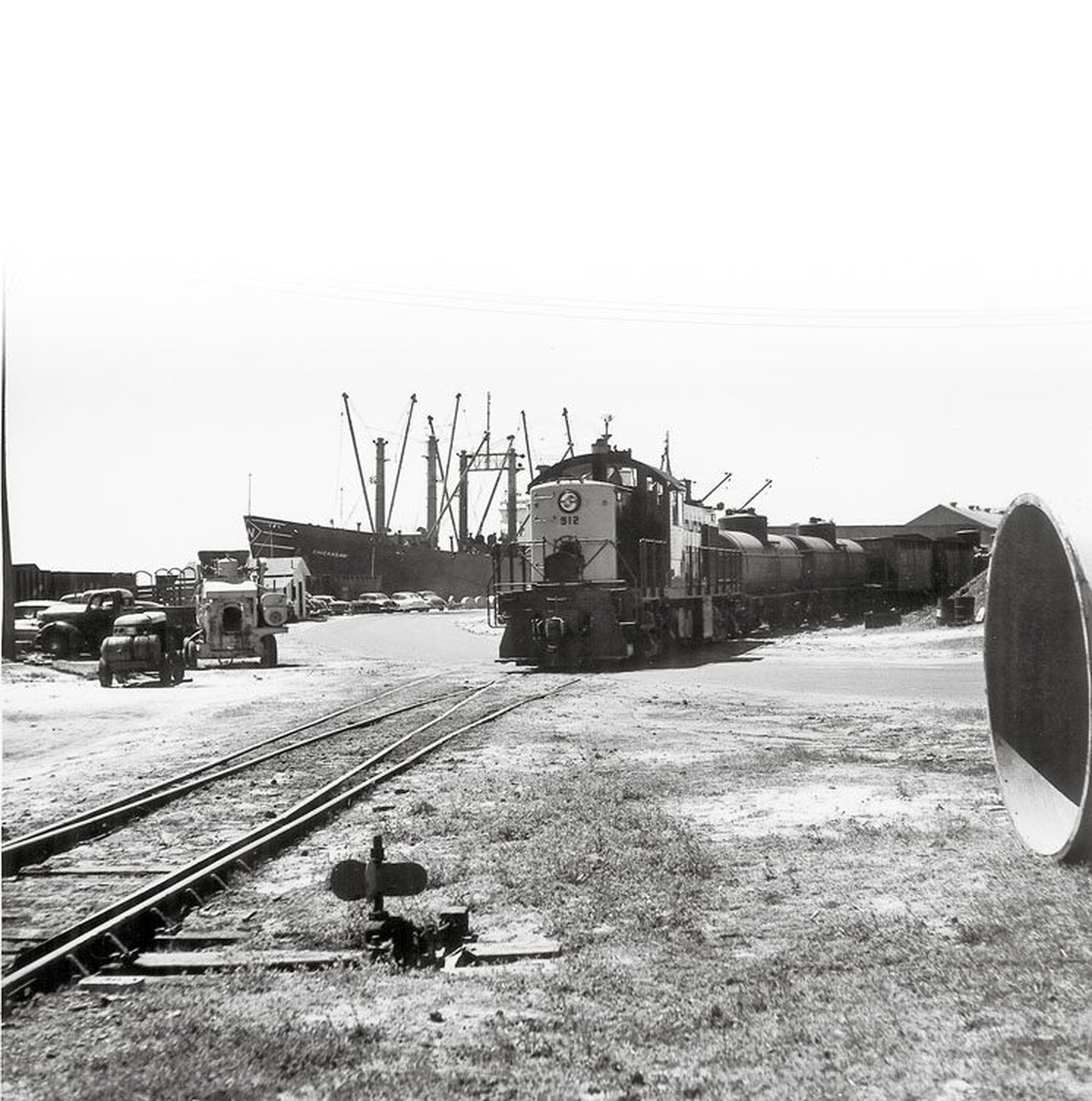
The newcomers settled in places called juancun, military dependents’ villages. Rows of simple houses stood close together, narrow alleys forming spaces closer to communal living than private neighborhoods. Rice was not plentiful there.
Instead, what arrived in large amounts were American relief supplies. Bags of wheat flour were delivered month after month. People kneaded it, rolled it flat, and made skins. In the alleys, families wrapped dumplings together every day. Grandmothers lined the dough, mothers added meat, children sealed the edges. It was work more than cooking.
Originally, boiled dumplings were foods of Lunar New Year, shaped like gold ingots to symbolize wealth. In the villages, that changed. With flour in excess, they shifted from festive dish to daily nourishment. Once they stopped being special, they were produced in quantity, refined, and adapted. Retired soldiers later opened stalls and small restaurants. The flavors of the villages flowed into the streets and spread across Taiwan. At that moment, boiled dumplings were woven into the island’s central diet.
The Freezer That Secured Their Place
Another reason these dumplings settled so firmly was preservation. Rice loses flavor when frozen. Noodles lose texture. But dumplings wrapped in thick dough held their shape. Even frozen solid, they returned to life when boiled.
As home refrigerators spread, dumplings moved into freezers. Supermarket sections filled with bags large and small. Pork, chive, shrimp. The variations expanded, but the structure stayed the same. Take them out, drop them into boiling water, wait until they float, and the meal is ready. Turning off the flame completes dinner.
Now, opening almost any household freezer reveals dumplings inside. They are insurance for busy nights and sudden hunger. As food that rarely fails, they became embedded in daily life.
The Act of Making Sauce
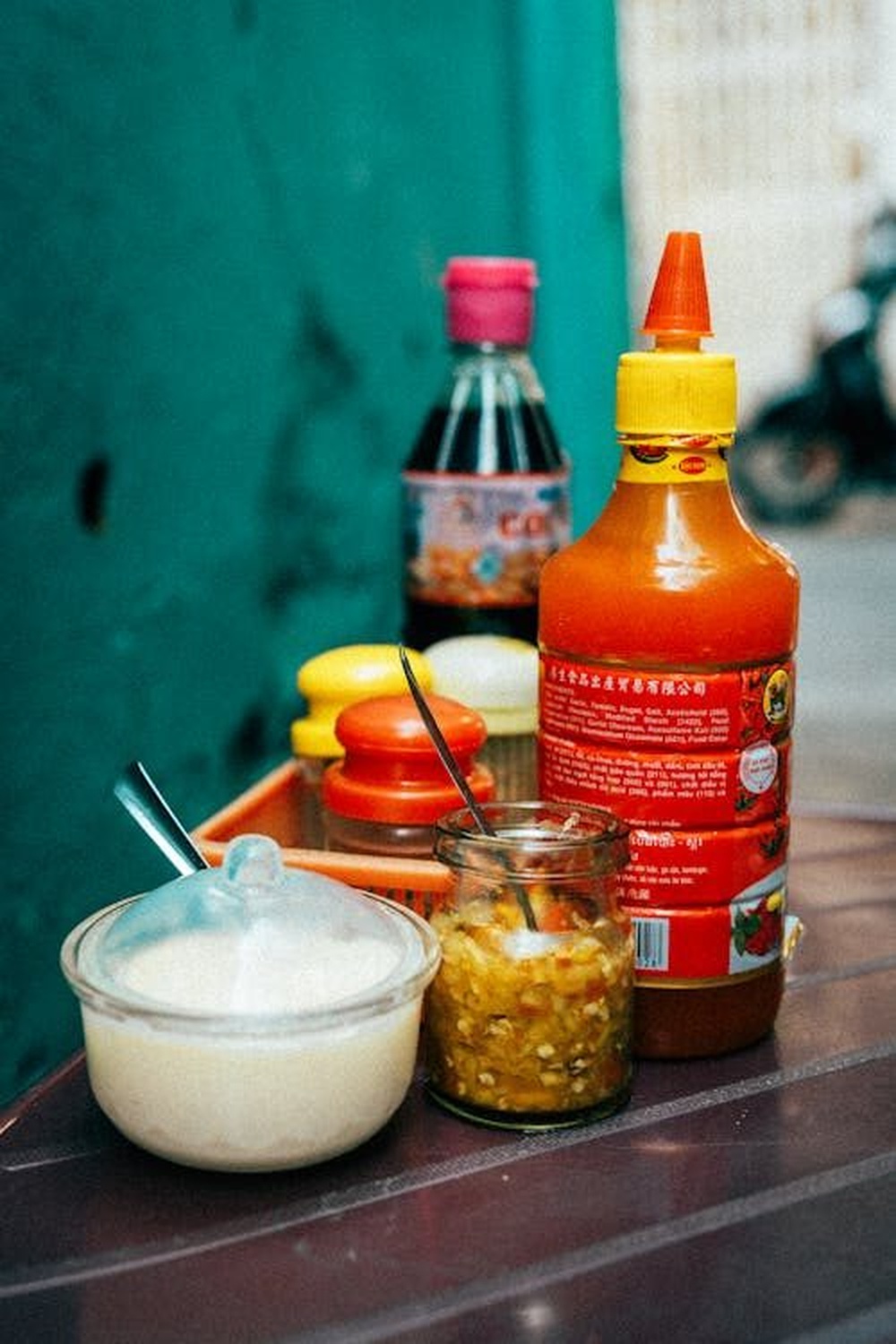
Inside dumpling shops, there is always a corner lined with condiments. Soy sauce, vinegar, sesame oil, chili paste. Customers stop there before sitting down, pouring their preferred ratios into small dishes. But this does not complete the flavor.
What matters is the raw garlic piled beside them, skins still on, heaped in baskets. People peel a clove, bite into it, and then eat a dumpling. Sharp heat hits first, followed by wheat sweetness and pork fat. The cycle keeps appetite moving.
There is a saying: “Without garlic, the flavor is half gone.” It has become a rule of eating. These dumplings are finished only with sauce and garlic together.
A Plate That Always Returns
Boiled dumplings are not luxurious. They are not dishes for celebration. But they do not betray.
After overtime work. During broke student years. On days when sickness dulls hunger. In such moments, they are chosen again and again.
Across the steam, uneven white shapes swell on the plate. They are not merely dumplings. They are a food born where the memory of northern stomachs met the convenience of modern city life, forming what has become Taiwanese everyday cuisine.