A record of what filled the stomach before wheat arrived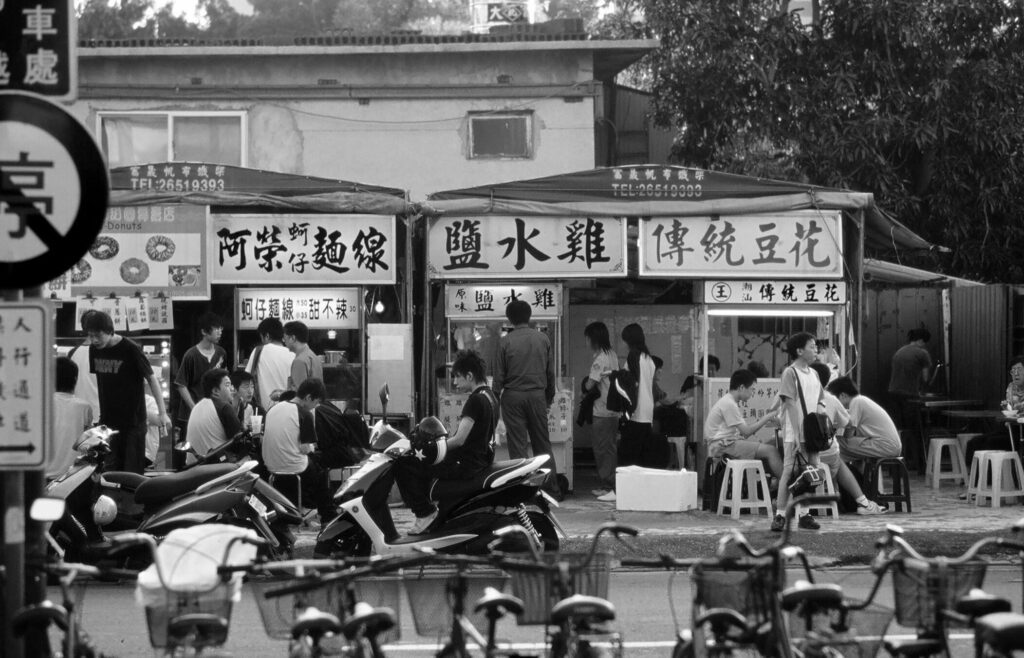
When I walk through Taipei’s night markets today, I see signs for beef noodle soup, xiaolongbao, and dumplings. Steam rises. Noodles are lifted from boiling water. Bamboo lids open one after another.
If I try to place this same scene before 1949, something feels out of place. Beef noodles are nowhere to be found. Xiaolongbao disappear. Dumplings vanish.
This was a time when wheat-based noodles and wrappers were not yet everyday food. Before mainland noodle culture arrived in waves, what did people on this island rely on to live?
Sweet potatoes and the memory of hunger
Before large-scale development, Taiwan was poor land. Plains suitable for rice were limited, and rice was always in short supply.
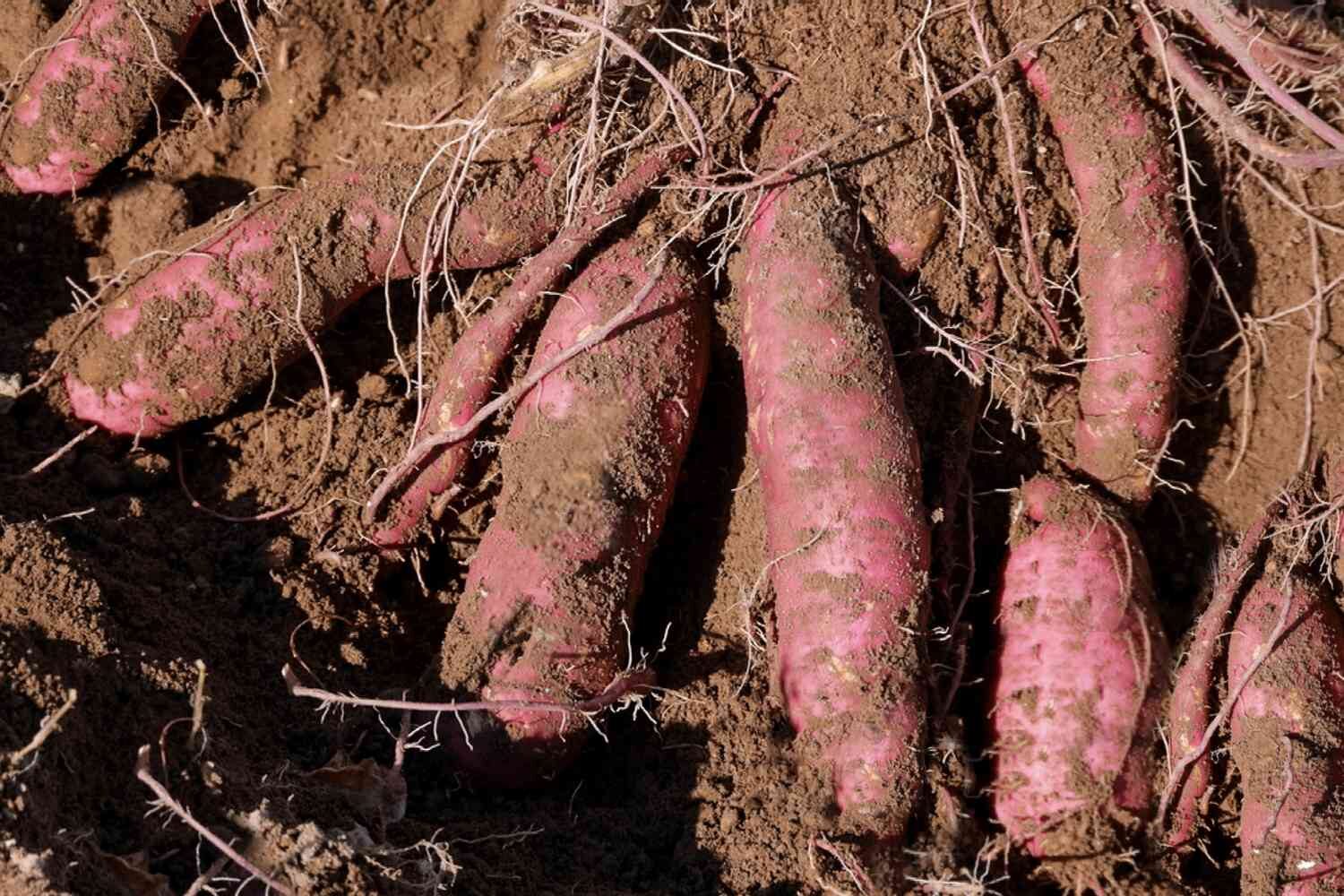
For ordinary people, the staple was not rice but sweet potatoes. They grew even in thin soil, and harvests were stable.
There was a common idea that if rice ran short, sweet potatoes would make up the difference. Rice was reserved for special days. What filled the stomach on ordinary days was the root.
Because the shape of the island resembled a sweet potato, people even called themselves children of the sweet potato. It was partly self-mockery and partly pride. It reflected a physical memory of surviving a hard frontier life.
Indigenous diets also belonged to this layer. Sweet potatoes, taro, and meat from hunting. Seasonings were few. Cooking was mostly steaming or boiling.
There were no complex flavors. Food went directly from land to stomach. This became the quiet base layer beneath Taiwanese food culture.
Fujian by the sea, Hakka in the mountains
During the Qing period, those who crossed to Taiwan were not one group. There were two main waves.
First came the people from Fujian who settled the plains and coast. Later came the Hakka who moved into the hills.
Where they lived shaped how they cooked.
Coastal Fujian people and the logic of thickened dishes
Those who settled along the coast lived with the sea. Seafood was their daily protein.
Their cooking made frequent use of thickened sauces.
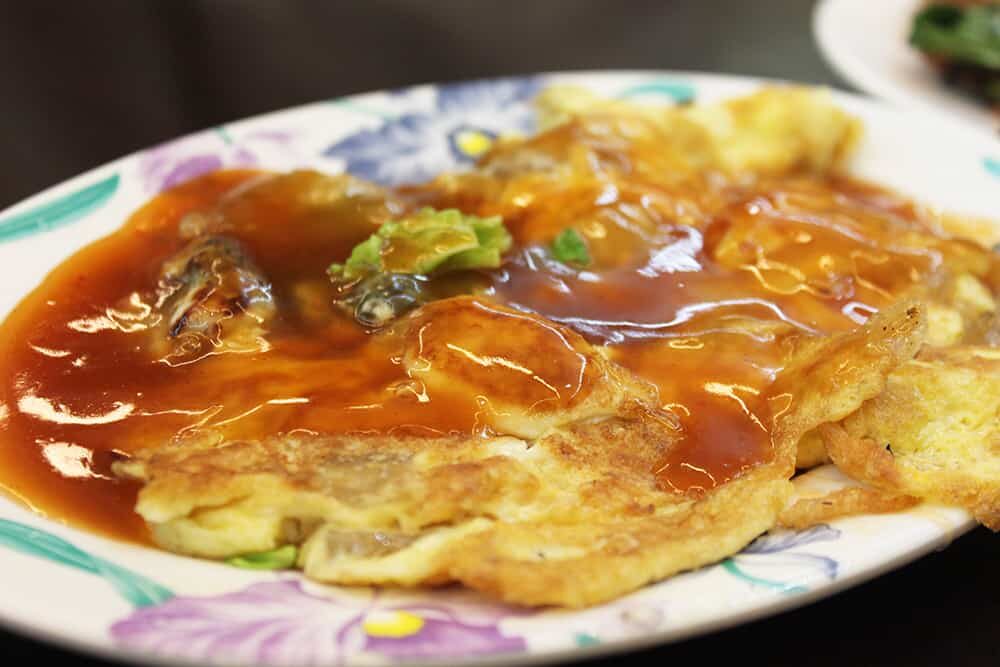
Oyster omelets are the clearest example. Small oysters from nearby waters were bound together with batter made from sweet potato starch.
Not wheat. Not rice. Cheap starch from roots. A practical way to fill the stomach.
The culture of thick soups also came with them. In a climate where people sweated constantly, thickening helped food stay warm longer. At the same time, salt and flavor stayed in the body.
Sea ingredients and the logic of thickening formed the coastal taste.
Hakka cooking and the science of survival
Life in the mountains was harsher. Soil was poor. Water was limited.
Cooking there became a design for endurance.
Hakka cuisine is often described with three pillars: salty, aromatic, and fatty.
Salt replaced what sweat removed. Onion oil and garlic kept appetite alive. Lard supplied energy.
Preservation techniques reached extremes.
Dried radish. Fermented mustard greens.
In a humid island where food spoiled easily, these methods became flavor itself.
Mountain cooking was built on storage and fat.
The birth of the Q texture
At that time, Taiwan did not yet have the rice now considered standard. What people used was an indica variety with little stickiness.
When cooked, it was dry. Once cold, it hardened.
Eating it as plain white rice was difficult.
Turning rice into powder
Immigrants began abandoning boiling rice as rice.
They ground it instead.
It became liquid batter, then steamed, boiled, and set.
From this came many foods.
Thin rice noodles from Fujian traditions.
Flat rice sheets from Hakka cooking, similar to wide noodles.
Steamed rice puddings set in bowls.
Bad rice became edible through processing.
Elasticity as invention
They kept experimenting.
Rice flour alone broke easily. So they mixed in sweet potato starch or other powders.
The result was a springy texture.
A bite that bounced back.
What is now called Q.
This texture was not born from luxury. It was a solution to dry rice.
Techniques born from poverty eventually became the core of Taiwanese taste.
The space in front of temples
Immigrants who crossed dangerous seas built something before they built homes.
They built temples.
In lives constantly threatened by disease and disaster, temples became spiritual anchors. They also became places where people gathered and information moved.
Politics and economy of settlements naturally formed around them.
Where people gathered, hunger followed.
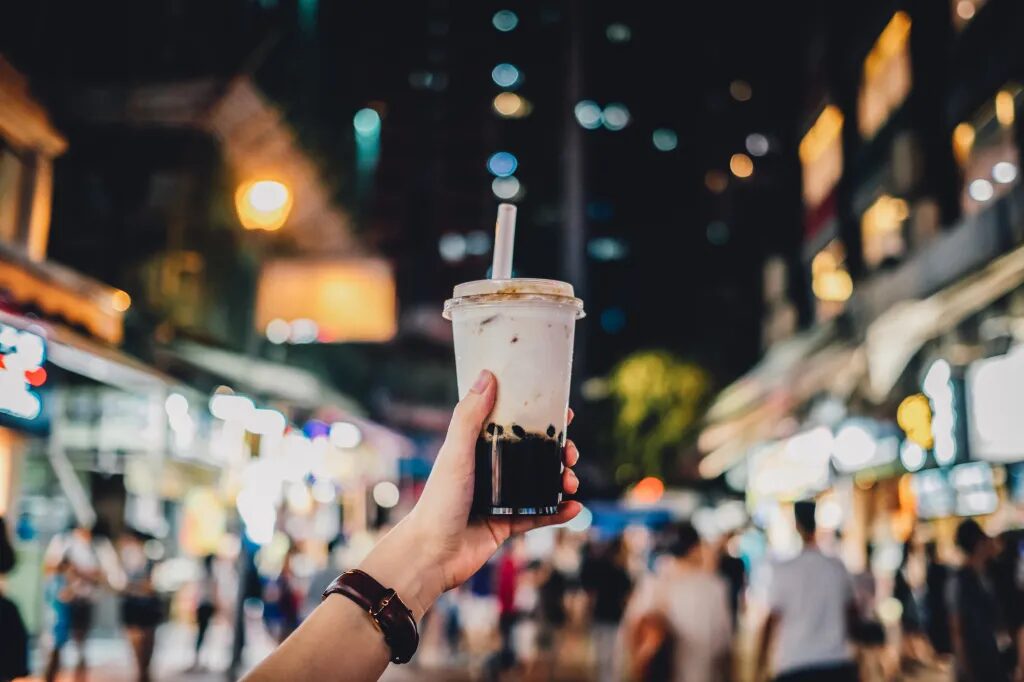
Vendors carrying poles began setting up in front of temple gates.
This became the prototype of eating out in Taiwan. Not seated meals indoors, but quick food in open space beneath the gods’ roofs.
Small eating became a habit.
Over time stalls fixed in place, lights appeared, and business continued into night. This evolved into today’s night markets.
Keelung’s temple-front market still carries this lineage in its name.
Eating out in Taiwan is not only convenience. It grew together with belief, crowds, and communal energy.
Meals were not just nourishment. They were proof of life together.
The 1920s and the turning point of rice
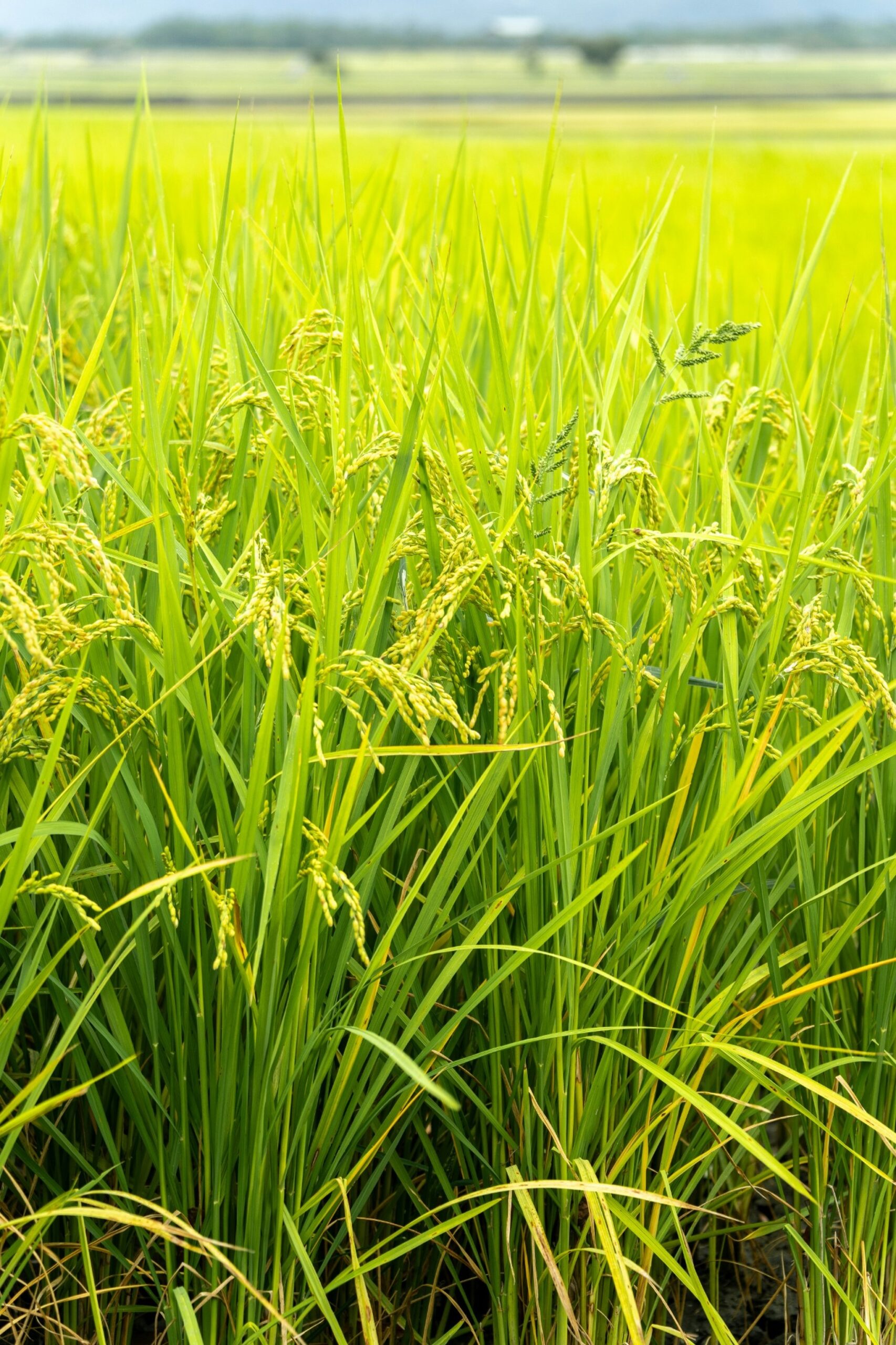
When Japanese administrators arrived, their first shock was not politics or climate. It was that daily rice tasted bad.
The indica rice lacked stickiness and did not fit Japanese eating habits.
Attempts were made to grow Japanese rice, but most failed in the subtropical climate.
So focus shifted to adapting varieties.
Two agricultural engineers led the effort. Experiments were repeated hundreds of times in cooler areas near present-day Yangmingshan.
After countless failures, a japonica variety that thrived in Taiwan emerged.
In 1926, it was named Horai rice.
With it, the dining table changed. Dry grains were replaced by sticky white rice that could stand as the center of the meal.
Without this rice, later dishes built on sauces and fats would not have worked.
Rice shifted from mere filler to the foundation of flavor.
When sugar became ordinary
The sweetness of southern cooking is not just preference.
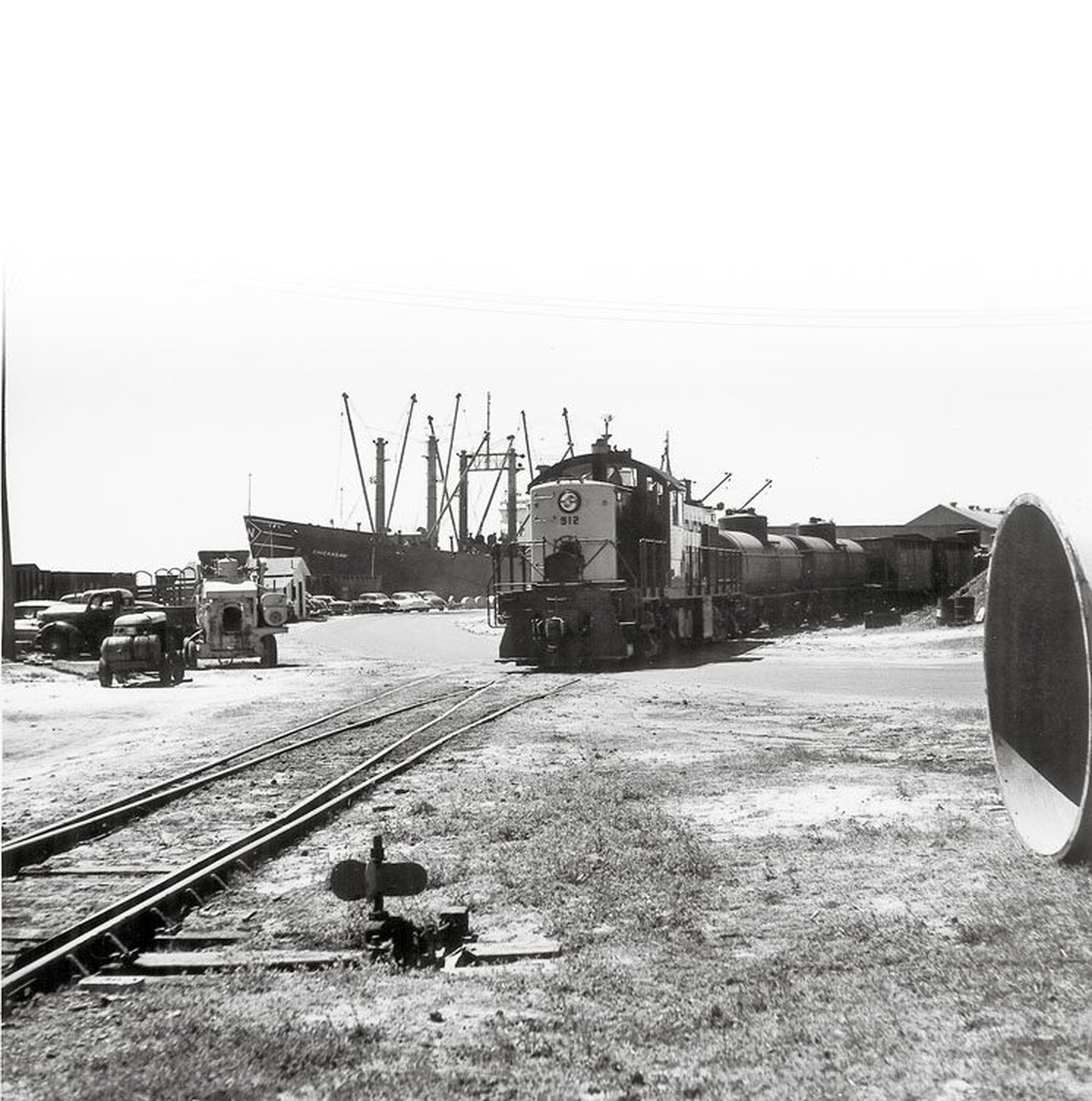
During the colonial period, Taiwan became a major sugar supplier. Factories spread rapidly across the island.
Sugar stopped being rare. Using it generously became a sign of prosperity.
Sweet-savory seasoning settled into daily cooking, especially around Tainan.
Ice-making technology arrived with factories. Ice went from luxury to everyday relief from heat.
Frozen sweets and shaved ice culture spread.
Sweetness and cold became built into tropical life.
Around the same time, monosodium glutamate entered households. By the early twentieth century, it was widely used.
There was even a saying that water could turn into chicken soup.
The idea of broth entered kitchens in powdered form. Seasoning became uniform and easily repeatable.
Japanese traces that remained in names
Half a century of rule left marks even in dish names.
They did not remain Japanese food.
Tempura became a fried fish paste snack with sweet sauce.
Miso soup became a sweetened broth with meatballs.
The name for hot pot-style simmered foods remained.
These were not Japanese dishes anymore. They were adapted to local taste and lived on in new contexts.
Japanese influence remained not as form but as layers.
By 1949, the table was already set
When large numbers of mainland migrants arrived in 1949, they brought wheat culture: noodles and dumplings.
But Taiwan’s table was already solid.
Sticky rice, sweet-savory seasoning, and broth sensibilities were in place.
Wheat dishes were layered onto this foundation.
This is why Taiwanese food did not become simply mainland food.
The fifty years before 1949 acted as a filter.
Knowing that layer sharpens the shape of Taiwanese cuisine.
What settled beneath the steam
I eat a bowl of braised pork rice (lu rou fan). I sip a sweetened soup.
Behind it lies the trial and error of developing rice. The labor of sugar fields. The sweat of migrants from Fujian.
Understanding what came before 1949 turns the meal three-dimensional.
These flavors did not appear suddenly.
They are records of a table built layer by layer.