On January 17, 1993, a Taipei xiaolongbao shop appeared in The New York Times beside grand dining rooms in Paris, London, and Hong Kong. Din Tai Fung’s entry in the list stood out for what the room around it did not have: chandeliers, ceremony, or any obvious claim to luxury.
On January 17, 1993, The New York Times ran a feature titled Top-Notch Tables.
The list looked strange by the standards of the time.
A three-star room in Paris.
A polished dining room in London.
A hotel Chinese restaurant in Hong Kong.
Among them, one line sat alone.
Din Tai Fung, Taipei.
A shop that began as a dim cooking-oil store was placed beside names built for chandeliers and bow ties.
It could have been a misprint.
It could have been a critic’s whim.
But the line stayed.
That date would later function as a hinge for a family business.

That Morning, the Owner Was Asleep
At the time, Din Tai Fung’s Xinyi shop did not yet have the rehearsed greetings or the tidy manuals it carries today.
Local customers arrived in sandals.
They ate from bamboo steamers and left.
A cheap and good place.
Nothing more.
It is said that Yang Bingyi and his son Yang Jihua did not even know their shop had appeared in an American newspaper.
No PR firm had been hired.
No one had been invited.
It was not planned.
The shop entered the world stage not by intention, but by someone else’s gaze.
What Ken Hom Noticed
The writer was Ken Hom, a Chinese-American food critic and chef.
Why did he choose this place.
There is a small twist.
Din Tai Fung was not luxurious.
The interior was plain.
The service carried no special performance.
It had none of the signs that usually explain “fine dining.”
Still, he described something there as the most refined xiaolongbao in the world.
Not loud fragrance, but a clear skin.
No stray flavors in the broth.
Heat and thinness held in balance, without collapse.
He may have been rewriting the definition of “high-end.”
Not ceiling height or silverware, but the precision of the food itself.
Din Tai Fung fit inside that scale.
An oil shop’s storefront, lifted into a different category.
Foreign Visitors Holding Newspaper Clippings
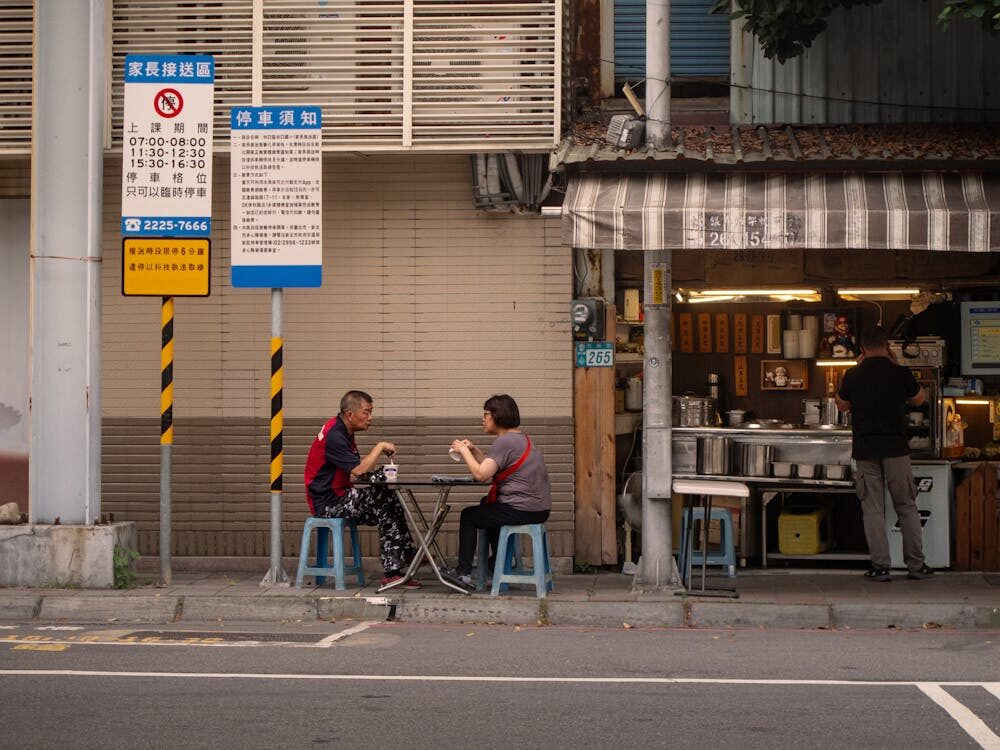
After the article, the sidewalk in Taipei changed.
Westerners and Japanese travelers began arriving by taxi.
They held folded clippings in their hands.
They searched for the address.
They traced the shop name with a finger.
They lined up without speaking much.
At the time, there were no English signs.
No unified service script.
No multilingual menu.
The kitchen must have been confused.
The dining room must have been louder.
But the staff learned one fact.
They were no longer only a neighborhood shop.
They were being watched.
That outside pressure altered the air.
Being good was not enough.
They had to become a place that could endure attention.
Cleanliness.
How to handle waiting time.
How to explain things.
The condition of the toilets.
Uniforms.
The things outside the food began to matter.
It Became More Than a Steamer of Xiaolongbao
The change was not only scale.
The treatment of the food also shifted.
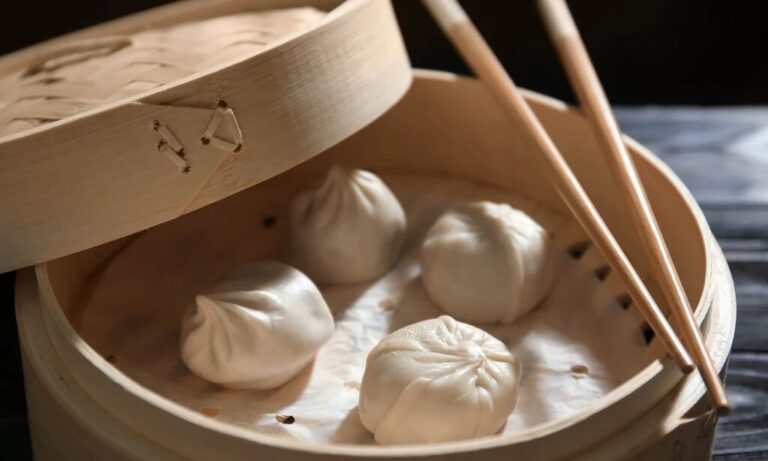
Xiaolongbao is hot.
The skin is thin.
If you eat it poorly, you burn your tongue.
If you break it too early, the soup escapes.
This dish can become an accident.
So the shop began to organize even the way of eating.
The ratio of sauce.
The use of the spoon.
The order of sipping the soup first.
Where ginger should sit.
It was not manners.
It looked more like stabilizing the experience.
So that anyone, anywhere, would land in the same place.
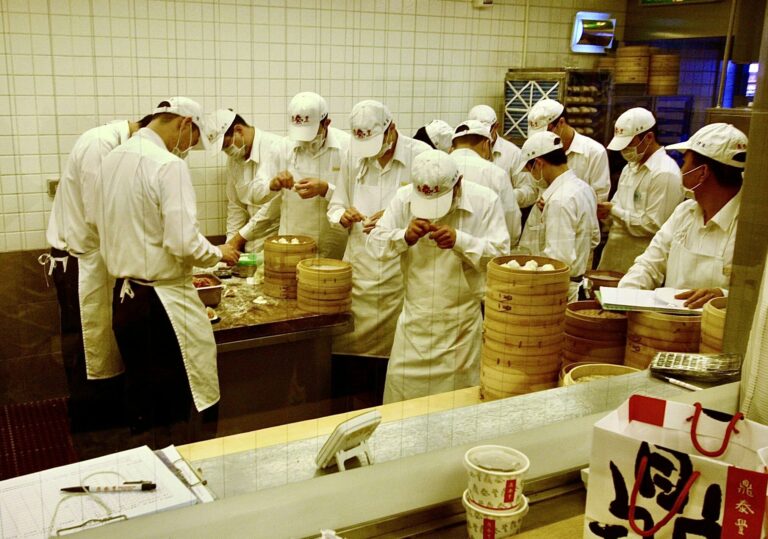
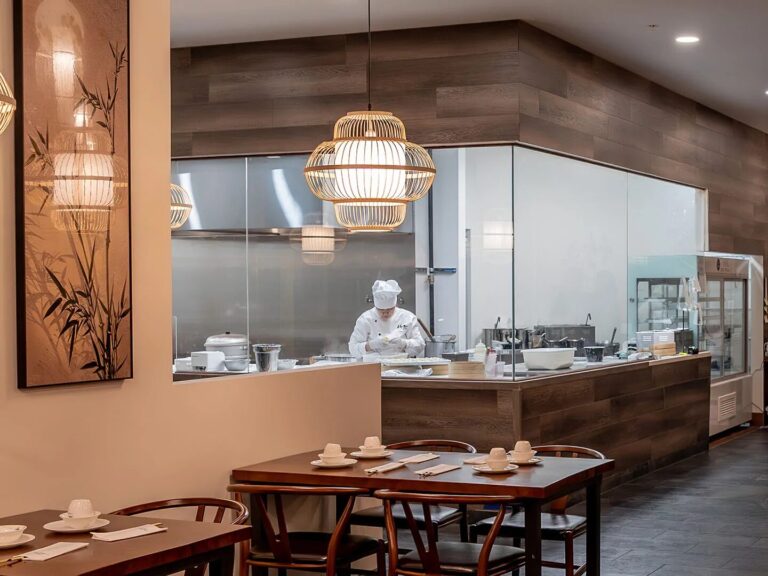
The glass-walled kitchen belongs to that logic.
White coats.
Masks.
Caps.
Hands folding in silence.
A visible kitchen supports the food, but it also supports trust.
Taste can be explained with words.
Cleanliness travels faster through sight.
Din Tai Fung seemed to erase, in advance, the old anxiety that Chinese kitchens often carried for outsiders.
Xiaolongbao stopped being a dish that ended inside a steamer.
The air of the room, the waiting line, the display, the method of eating.
All of it became one unit.
Standardization Born from Outside Pressure
Around this period, Din Tai Fung began to reshape craft into another form.
Dim sum was, by nature, a dish that wavered.
Skin thickness, filling amount, steaming.
Small differences came from the hands.
That was not a flaw.
It was the normal condition.
Din Tai Fung moved in the opposite direction.
It kept the hands, but reduced the wobble.
So that anyone could make the same result.
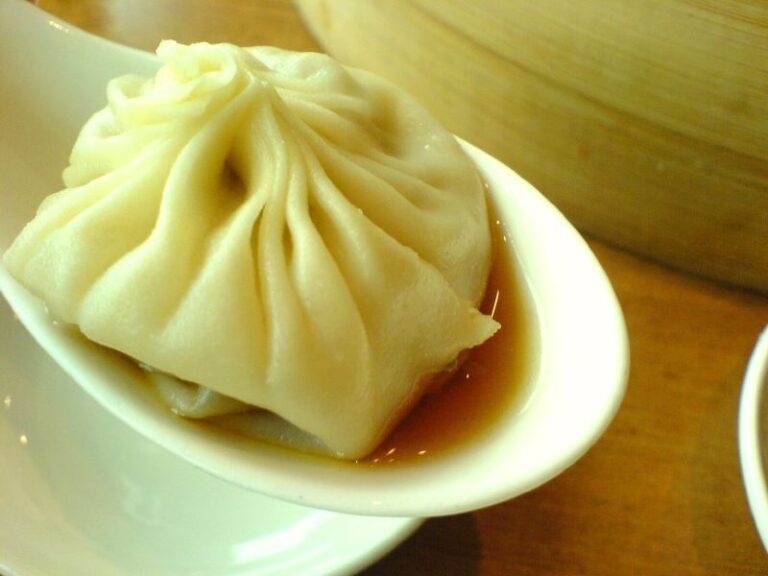
Skin 5 grams.
Filling 16 grams.
Eighteen folds.
Total weight 21 grams.
Numbers entered the world of touch.
Error was no longer tolerated.
Scales appeared.
A shared standard was built.
This was not only for beauty.
It looked like a condition for exporting the same thing to any city.
And the logic did not stop with xiaolongbao.
Din Tai Fung has another quiet pillar.
Fried rice.
Paigu egg fried rice often arrives without ceremony.
It sits beside the steamer.
Sometimes it becomes the true center of the table.
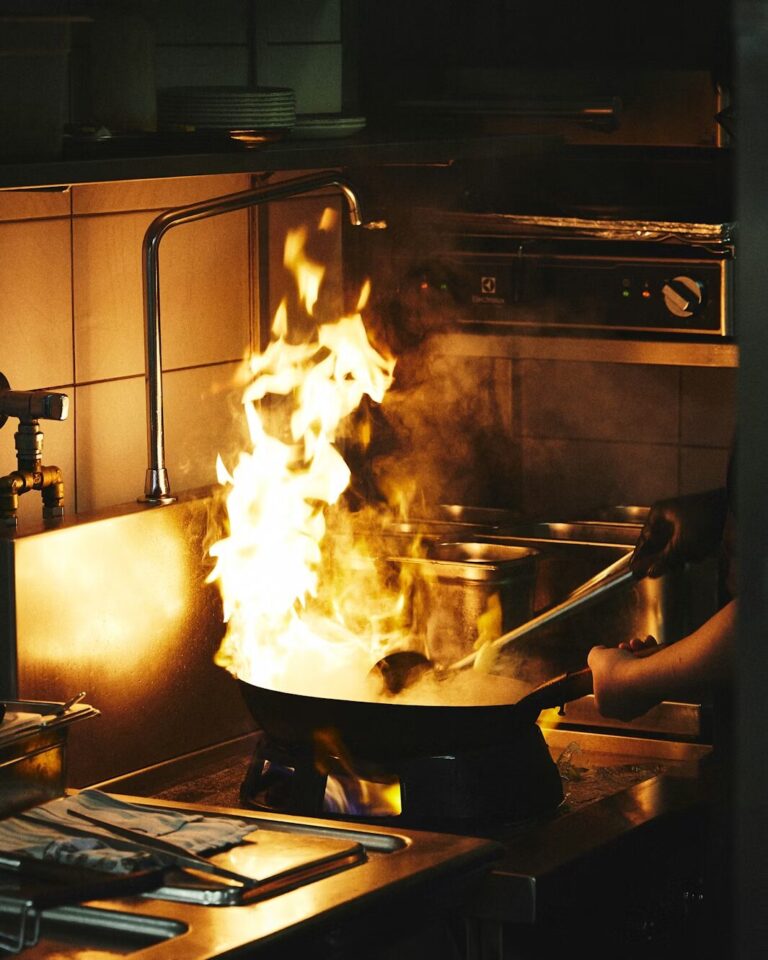
Street fried rice pushes with heat, oil, and smoke.
This version removes what it can.
The color stays pale.
The oil stays light.
Still, the grains do not collapse.
The egg film spreads evenly.
Each plate wobbles less.
Heat, salt, texture.
They return to the same point.
A dim sum shop with strong rice dishes.
That small mismatch becomes thickness.
What Was Found Was Not a Shop, but a Method
If the article had been purchased advertising, the boom might have ended quickly.
But Din Tai Fung continued.
It became a city landmark.
Then a global chain.
Then a daily queue.
On that day in 1993, The New York Times did not only find a good place to eat.
It found a method.
A way to stabilize food, organize experience, and reshape a shop so it could withstand outside eyes.
Din Tai Fung carries two birthdays.
1958, when it began.
1993, when it was found.
The door does not look so different.
The steam still rises in the same way.
But from that day, the shop became a place seen in another manner.
That difference worked slowly, and then permanently.
— Detour —
a little further to walk
- Notes on Din Tai Fung’s Real Beginning
- Notes on Xiaolongbao and the History Taiwan Inherited
- Notes on the Xiaolongbao New Wave in Taiwan