Braised pork rice, beef noodles, and blanched greens arrive as different dishes, but the steam rising from them seems to point in the same direction. The same warm, sweet aroma follows you from a night-market stall to a convenience-store display case.
When I step off the plane and pass through the terminal doors, when a convenience store opens its automatic glass late at night, when street stalls across a night market ignite their flames at six in the evening, my nose reacts first. Before sight confirms location, smell decides that this is Taiwan. Sweet steam rises, oil burns somewhere nearby, and a familiar warmth hangs in the air, close to Southeast Asia yet never fully overlapping with it.
This scent does not belong to a single dish. It comes from stalls, dining halls, home kitchens, and heated display cases in convenience stores, rising from every corner of the city with the same general direction. When I stop and trace it backward, the sources are fewer than expected. Taiwan is held together by four condiments. None of them stands at the center of a plate, yet without them Taiwanese food would no longer feel Taiwanese. They do not complete dishes so much as decide their nationality. What follows is a record of how each supports the island’s everyday flavor.
Sha Cha Sauce
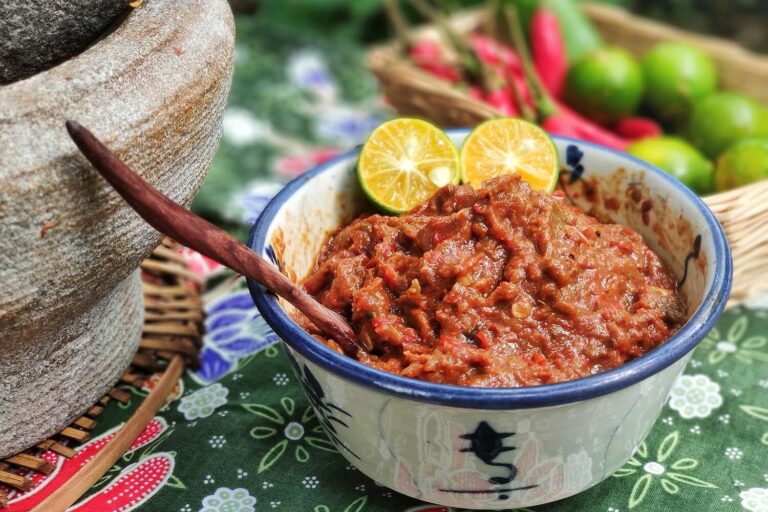
Sha cha sauce (shacha jiang) may be the most difficult condiment in Taiwan to explain. It is not clearly sweet, not clearly spicy, and its base is neither fully seafood nor fully meat. Yet one bite makes the location obvious. This unclear thickness is its function. When the word sha cha appears in a dish name—sha cha beef, sha cha lamb, sha cha hot pot—the direction of flavor is already fixed.
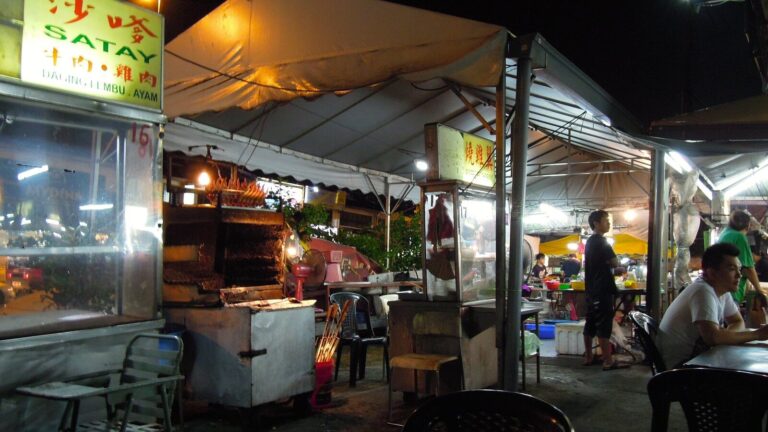
Its roots stretch through Teochew and Fujian traditions and further back into Southeast Asian satay culture. Peanuts, dried shrimp, dried fish, garlic, and oil come together not as individual voices but as a smoky depth. On night market griddles, when beef hits the heat and the brown paste follows, the rising aroma performs the work. Many of the blurred yet layered flavors at the first bite of Taiwanese food are built here. It avoids sharp statements and slightly thickens everything around it, acting like a hidden designer of the cuisine.

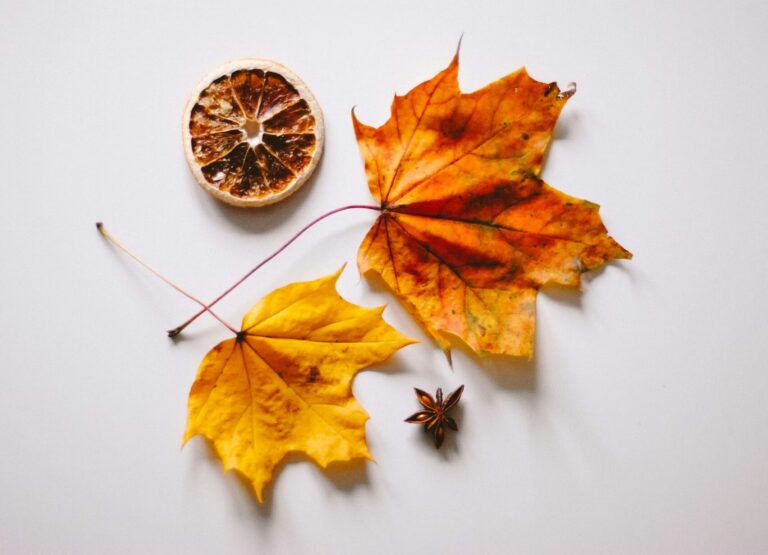
Star Anise
If one scent represents the background of Taiwan’s air, it is star anise (bajiao). Braised pork rice, stewed snack platters, and the dark broth of beef noodles all release variations of the same sweetness. Once learned, it separates Taiwan from other places immediately.
It rarely moves to the front of a dish, yet it is always present behind it. In the depths of braising pots, inside rising steam, and in the heavy sweetness drifting from bowls, it stays constant. Just as soy sauce recalls home for many Japanese, star anise forms part of daily life for Taiwanese people. It does not decide flavor so much as location. Much of what makes Taiwanese streets feel Taiwanese may come from this scent floating at a subconscious level.
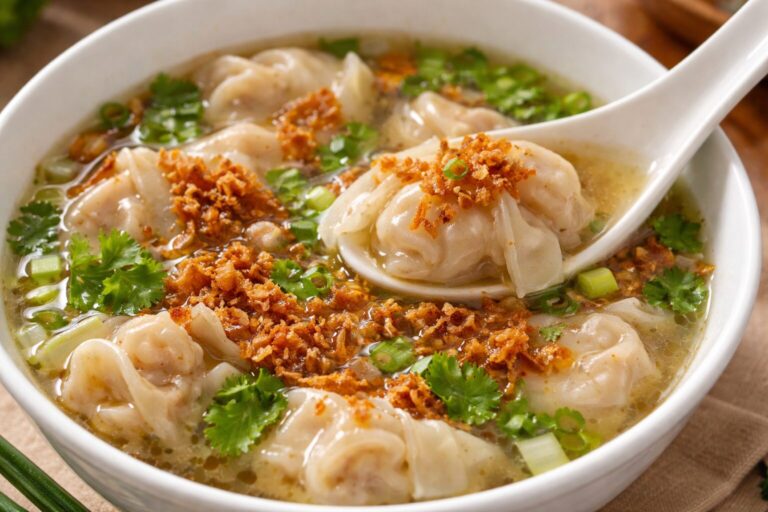
Fried Shallots
Fried shallots (youcongsu) are the quietest and most essential element. Scattered in small brown grains across braised pork rice, chicken rice, dry noodles, and blanched greens, their presence changes everything. Red shallots are chopped and fried in pork fat, nothing more, yet one shake lowers the center of flavor immediately.
In braised pork rice they dissolve into the sauce and deepen sweetness. On chicken rice they burst across moist meat as aromatic highlights. In dry noodles they bind oil and starch into something unmistakably street-side. In French cooking, shallots meet butter for refinement. In Taiwan they are fried and poured in with the oil. The direction is survival. Speed and satisfaction mattered in small-eating stalls. These grains act like glue, holding Taiwanese food together.
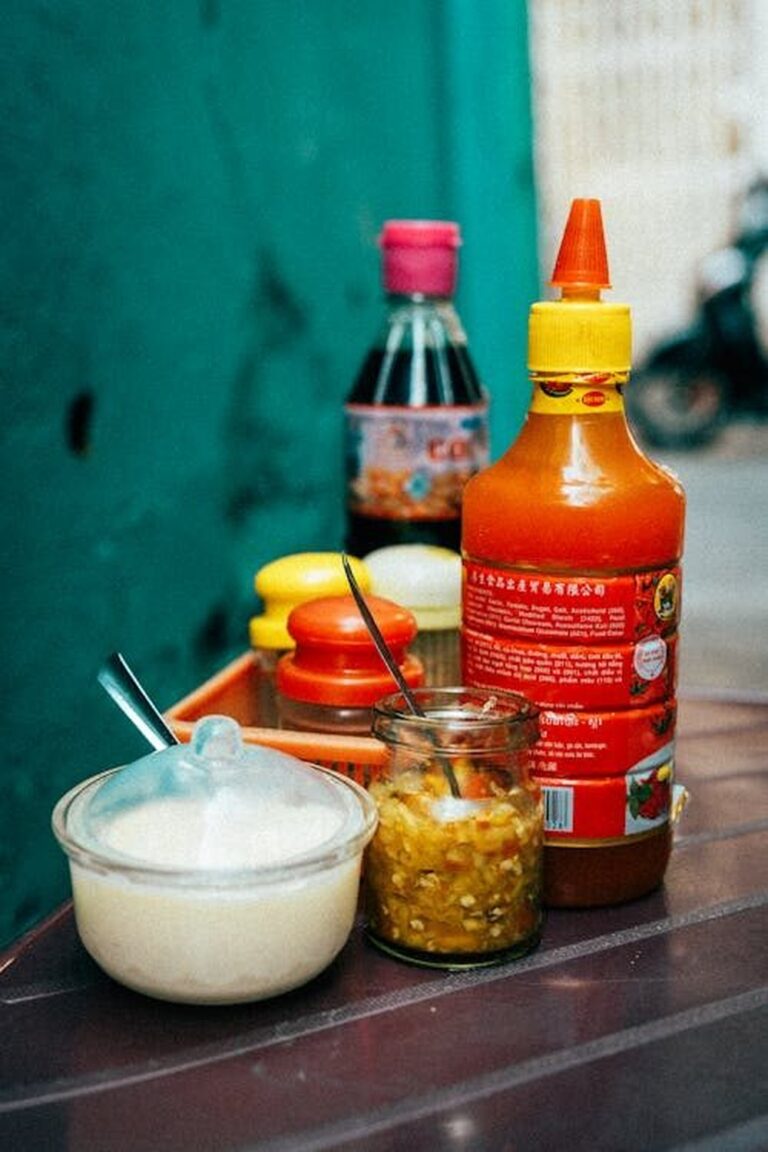
Thick Soy Sauce
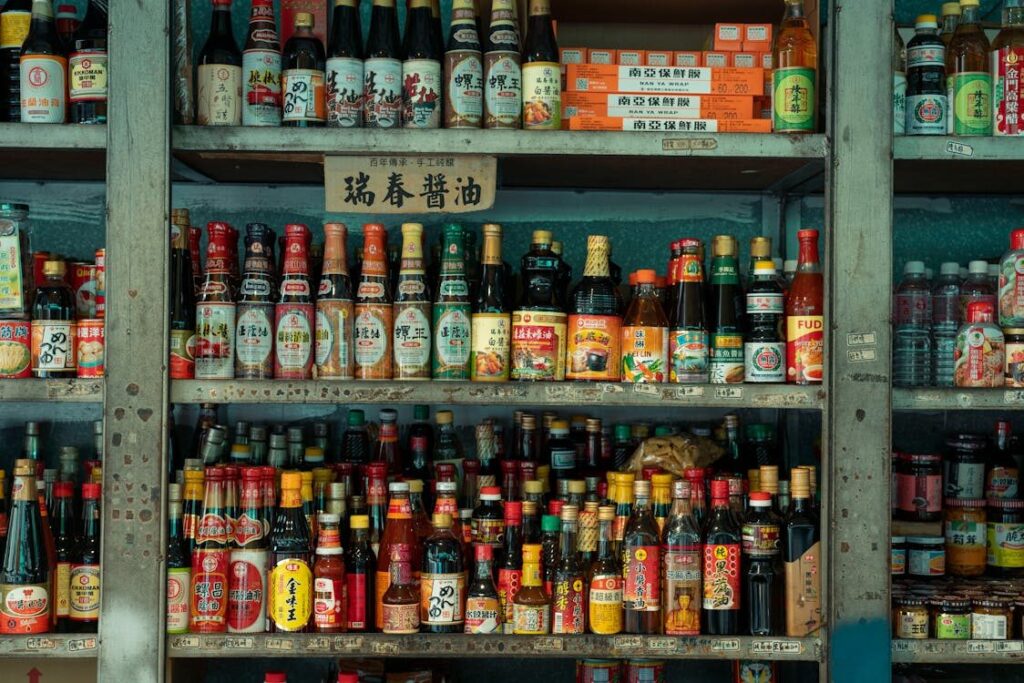
Closest to Japanese soy sauce (jiangyougao) yet fundamentally different, thick soy sauce is sweet and viscous, clinging rather than flowing. It appears as dark lines across radish cakes, sticky rice, greens, and soft desserts. Instead of splashing, it stays where it is placed.
Its role is less to add flavor than to gather it. Fried foods are not stained too sharply, boiled vegetables do not lose seasoning into water, and plates feel rounded rather than scattered. Taiwanese food avoids becoming chaotic partly because this thickness wraps everything together. It rarely becomes the star, but it prevents failure.
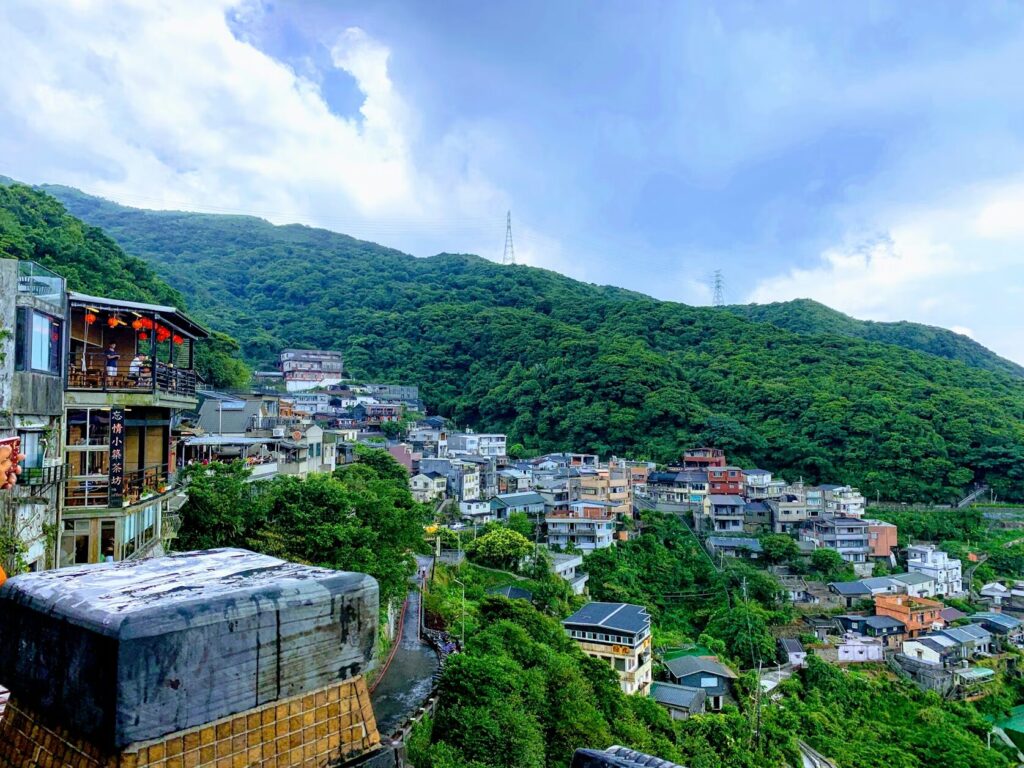
Why the Scents Converge
Walking through Taiwan, the variety of dishes is wide, yet the direction of smell feels surprisingly narrow. Night markets, small eateries, and home kitchens overlap in aroma. In Southeast Asian cities each stall separates itself through spice. In Japan, broths change by shop. Taiwan’s air feels unified.
Beef noodles and braised pork rice differ, yet their steam points the same way. Dry noodles and blanched greens look unrelated, yet the nose receives similar information. The number of dishes is not small, but the scent coordinates are. Following this odd unity leads not to taste preference but to layers of environment and history.
Fat and Shallots Brought from Across the Sea
The foundation of Taiwanese flavor was not born on the island. Much of it arrived with migrants from Fujian. Their everyday tools were pork fat and shallots. Oil in the pan was lard, and fragrance centered on alliums. Meat was stir-fried, vegetables were simmered, and everything was finished with fat. Heavy methods built for fullness traveled with them.
But they could not remain unchanged. Taiwan was hotter and more humid than Fujian. Ingredients spoiled faster, and oils oxidized quickly. The mainland system of fat and fresh aromatics could not survive as it was.
Subtropical Preservation Through Aroma
In heat and moisture, raw shallots did not last. Before refrigeration, the solution was frying them in lard, removing water and sealing them in oil. What emerged was fried shallots, a preservation method disguised as seasoning. It was a way to keep Fujian flavor alive in island conditions.
The same problem appeared with meat. Heat brought odor quickly, especially from off-cuts. Strong fragrance became necessary not for pleasure but for usability. Star anise provided sweetness and reach, covering decline while maintaining appetite. It was not taste alone but adaptation.
Together, fried shallots and star anise formed practical tools for cooking in the subtropics.
Sweetness, Industry, and the Sea
The sweetness and thickness of Taiwanese soy sauce did not arise naturally. During Japanese rule, sugar production expanded massively, turning sweetness into a daily resource. At the same time, Japanese simmered dishes introduced sweetened soy-based sauces. Reducing, thickening, and rounding flavors became common. From this mix emerged thick soy sauce, neither Fujian nor Japanese, but industrial and cultural layers combined.
Sha cha sauce arrived by water rather than land. Workers traveling through Southeast Asia encountered satay and spice culture, then returned with techniques. Peanuts, dried seafood, oil, and spice were rebuilt in Chinese woks into something new. This condiment reflects Taiwan’s connection to the southern seas rather than the mainland.
Flavors Chosen to Endure
Seen together, the four pillars were not chef inventions. Memories of pork fat crossed the strait, transformed into preservation under heat, absorbed sweetness through colonial industry, and gathered spice through maritime exchange. What remains is the taste that endured.
The scent drifting through Taiwan’s streets may not be the product of culinary ambition but of layered adaptation. It feels less like luxury and more like the accumulated record of survival.
— Detour —
a little further to walk
- Notes on Sha Cha Sauce as a Crossroads in Taiwan
- Notes on the Scent of Star Anise in Taiwan
- Notes on Fried Shallots in Taiwan