The Logic of a Cup Hanging from the Wrist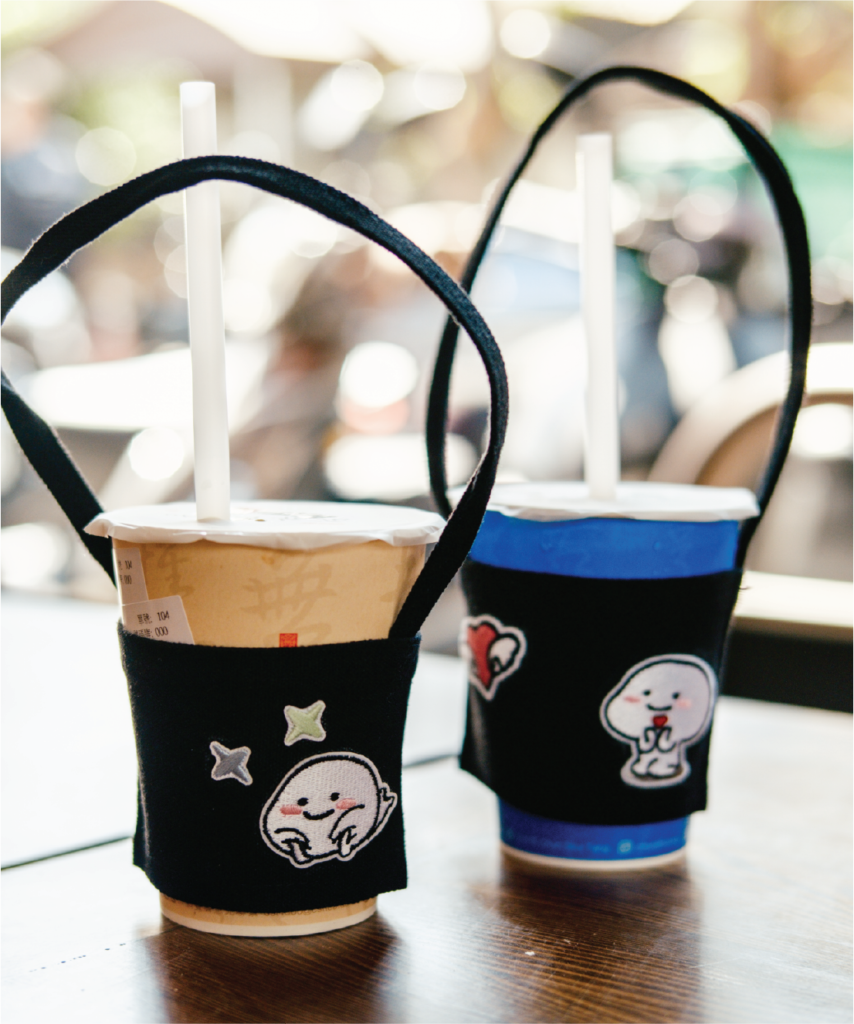
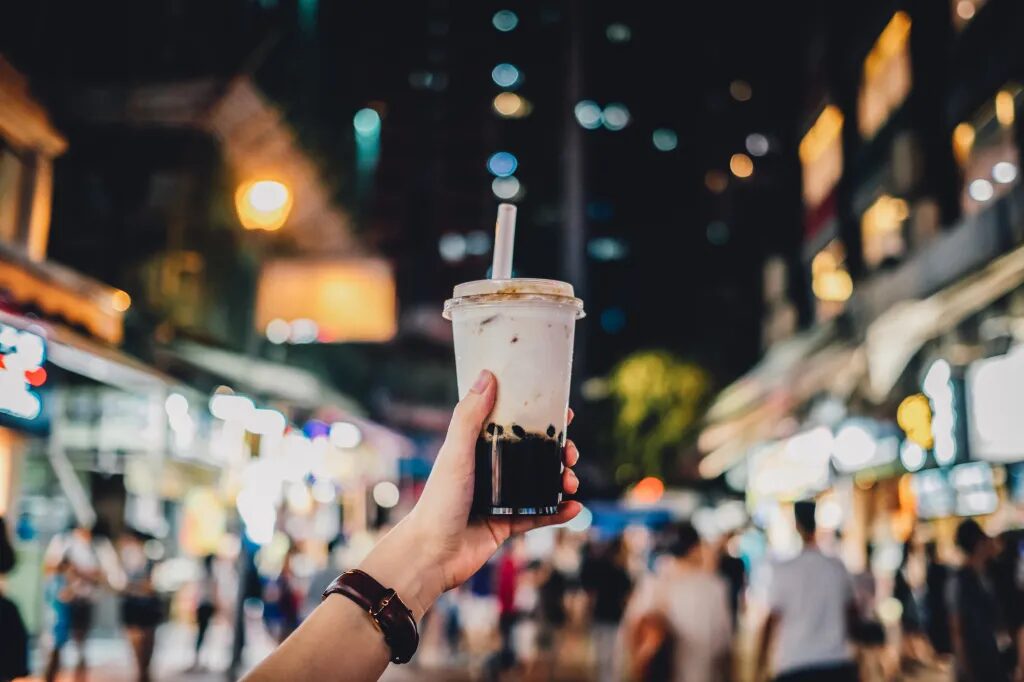
Walking through Taipei’s MRT stations or night markets, I notice a small but strange scene.
People operate their phones with one hand.
From the other wrist, a drink hangs.
The bag is small.
There is no bottom.
It grips the middle of the cup and stops there.
This is not something seen in Japan.
In Taiwan, it has blended into daily life.
Called a drink holder, or simply a carrying bag,
it has quietly become part of the city’s standard equipment.
Why did this form survive here, and almost nowhere else.
The answer sits at the intersection of law and habit.
January 1, 2018
The turning point is clear.
January 1, 2018.
The Taiwanese government expanded its plastic reduction policy.
Free plastic bags at drink stands were completely banned.
If you wanted a bag, you paid one New Taiwan dollar.
Just a few yen.
But in Taiwan, that one dollar matters.
Adding it to a daily cup of tea feels like a real loss.
At the same time, holding a cold, sweating cup by hand is unpleasant.
These two conditions created a narrow demand.
People did not want to pay.
They also did not want wet hands.
Why the Bottom Disappeared
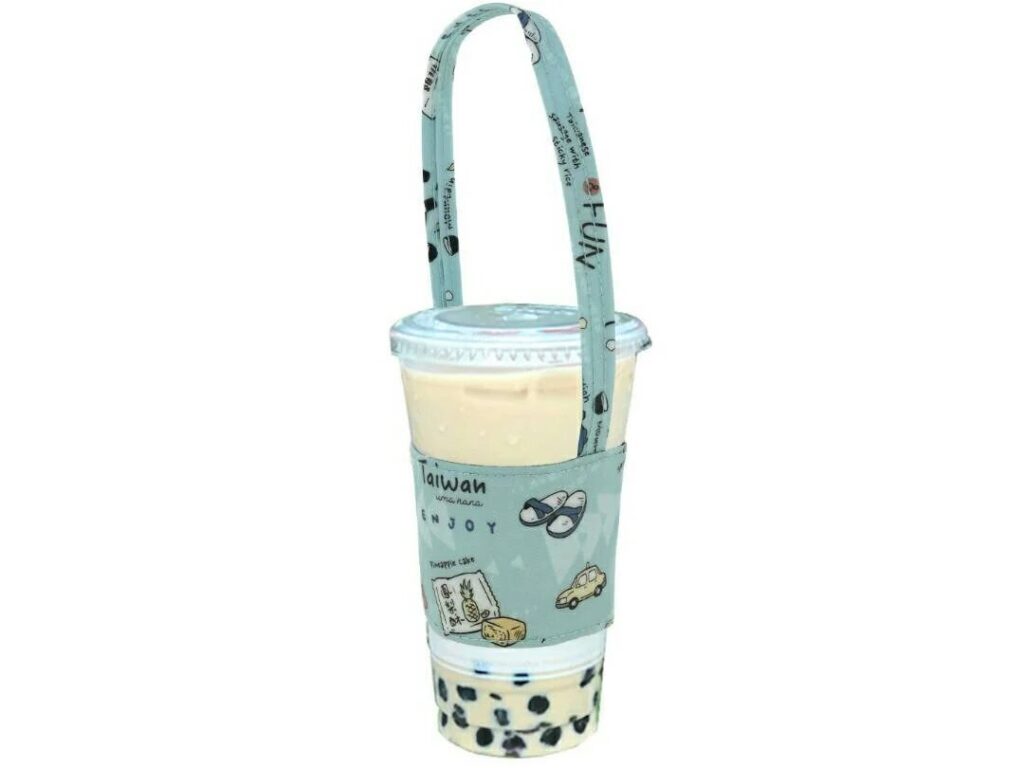
The Taiwanese drink holder has no bottom.
This is not a design gesture.
Drink cups in Taiwan are almost standardized.
Wide at the top, narrow at the base.
A fabric tube slides over the cup
and naturally stops at the wider section.
The more weight pulls downward,
the more friction increases.
A bottom is not physically necessary.
By removing it, the holder becomes lighter,
dries faster, and is easier to carry.
The Assumption That Nothing Spills
There is another reason this loose system works.
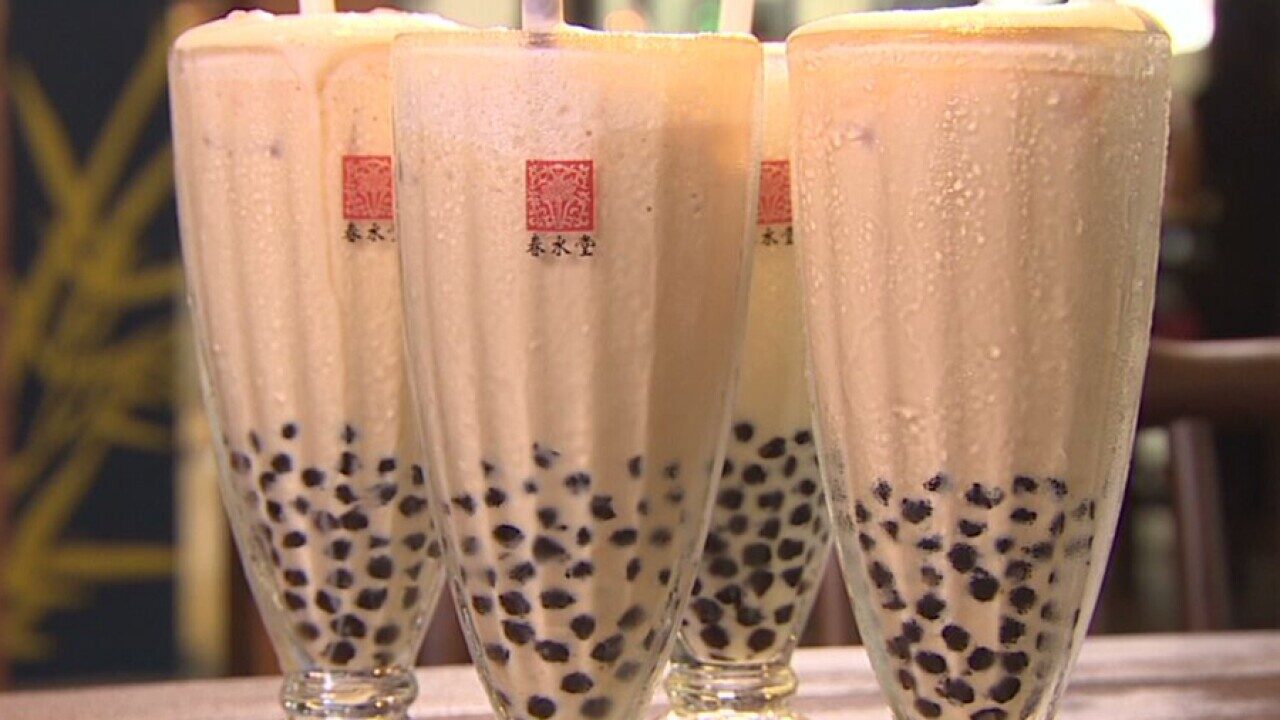
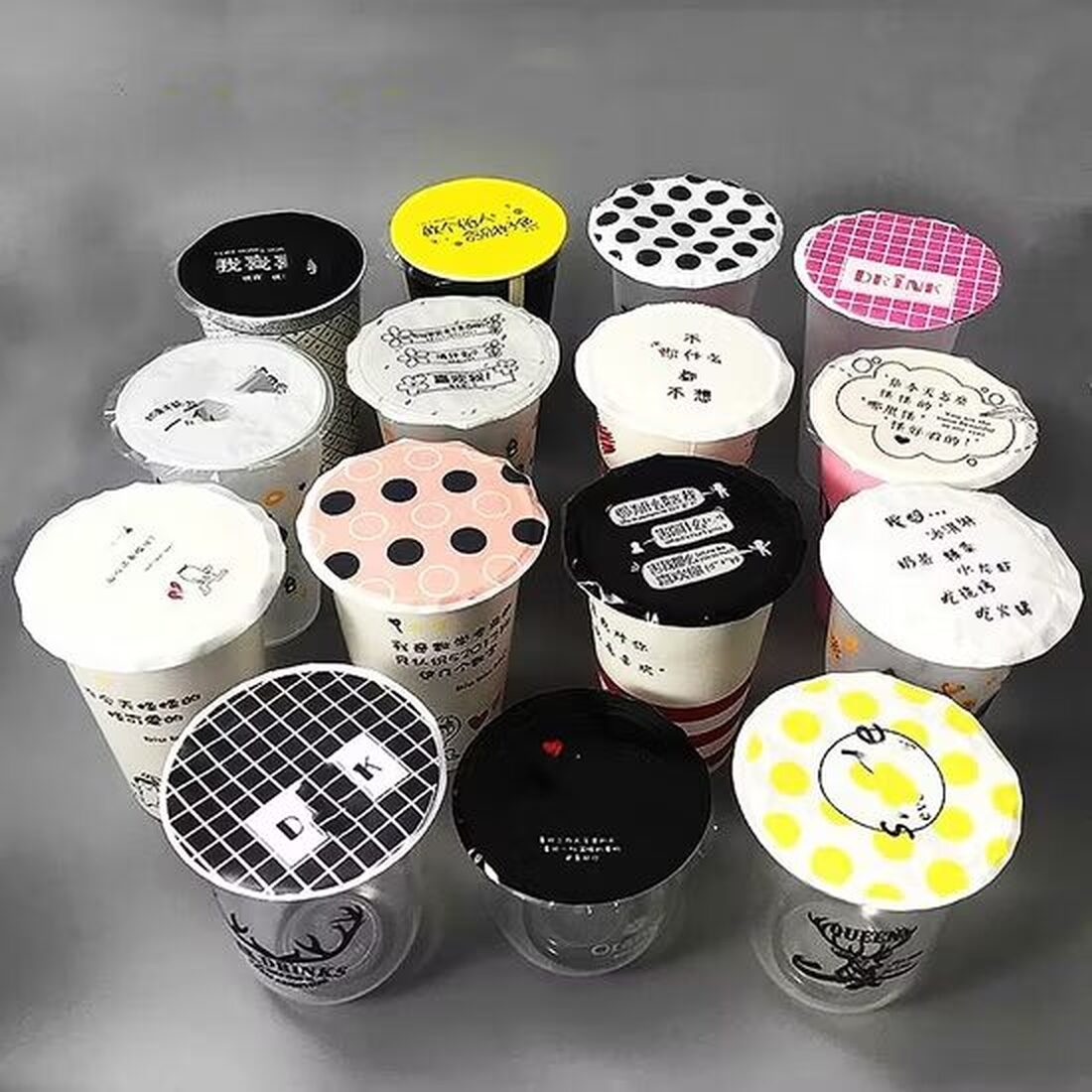
In Taiwan, drinks are sealed.
A plastic film is heat-pressed across the lid.
Even when shaken, the liquid stays inside.
Because spilling is not expected,
freedom of movement increases.
The bag gives up the role of protecting liquid.
Its only task is keeping hands dry.
As a result, the structure is reduced to the minimum.
From Bag to Accessory
At first, these holders were cheap nylon.
Tools meant only to hang.
Then patterns appeared.
Hakka floral cloth.
Taiwan Beer logos.
Night market motifs.
They settled into the role of souvenirs.
Recently, the material has changed again.
Leather.
Embroidery.
Collaborations with brands.
Some young people now choose a holder
to match what they are wearing.
An inconvenience created by policy
was slowly translated into fashion.
Constraints Shape Form
The ban on plastic bags.
The reluctance to pay one dollar.
Standardized cups.
Trust in sealed lids.
Together, these conditions produced
a bag without a bottom.
When you see a cup swinging from a wrist,
it is not just a convenient tool.
Plastic is reduced.
Convenience and playfulness remain.
A way of living in Taiwan
is condensed into that small loop.